
Maintaining a fully functional septic system is a critical responsibility for property owners who are not connected to a municipal sewer line. While much of the attention often goes to the septic tank itself, the drain field, also known as the leach field, is arguably the most sensitive and vital component of the entire wastewater treatment process. This underground area of soil is responsible for the final treatment and disposal of the effluent that flows from the septic tank, acting as a natural filter that removes harmful bacteria, viruses, and nutrients before the water returns to the groundwater supply. Ignoring the health of this system can lead to catastrophic failures, including sewage backups in the home, foul odors in the yard, and significant environmental contamination.
As the market demand for sustainable property management rises, homeowners and business owners alike are moving away from reactive repairs and toward preventative care. Understanding What Are the Benefits of Professional Drain Field Services is essential for anyone looking to protect their investment and ensure the longevity of their infrastructure. These specialized services go far beyond simply pumping a tank; they involve a comprehensive analysis of soil absorption rates, hydraulic load, and the biological health of the soil ecosystem. By engaging experts who utilize advanced diagnostic tools and remediation techniques, property owners can avoid the astronomical costs associated with system replacement and maintain a safe, hygienic environment for their families, customers, and the surrounding community.
Understanding the Core Value of Professional Drain Field Services
A drain field is a complex network of perforated pipes buried in trenches filled with gravel or other approved aggregate materials, covered by a layer of soil. The primary function of this system is to perform the final stage of sewage treatment by allowing effluent to percolate slowly through the soil, where microbial action neutralizes pathogens. However, this delicate balance can be easily disrupted by excessive water usage, the introduction of non-biodegradable materials, or the buildup of a thick layer of biomat—a slimy substance composed of anaerobic bacteria and organic matter that clogs the soil pores. When this biomat becomes impenetrable, the ground can no longer absorb the liquid, leading to surface ponding and system failure.
Professional drain field services are designed to address these issues at their root cause, rather than merely treating the symptoms. Unlike a general plumber who may only focus on clearing a blockage in a pipe, a specialist in drain field management understands the hydraulics of soil percolation and the microbiology of wastewater treatment. They utilize specialized equipment, such as high-pressure jetters designed for below-ground piping, and soil fracturing tools that can break up compacted earth without the need for excavation. This deep level of expertise ensures that the system is not just temporarily unclogged but is actually restored to a state of biological and hydraulic equilibrium, allowing it to function efficiently for years to come.
The Importance of Preventative Maintenance for System Longevity
The financial implications of a failing septic system are severe, often reaching tens of thousands of dollars for a complete drain field replacement. Preventative maintenance is the single most effective strategy for avoiding this financial burden, and it requires a level of diligence that only professional services can provide. A crucial aspect of this maintenance is identifying early warning signs that are invisible to the untrained eye. For example, a professional can measure the sludge and scum levels in the tank and compare them to the expected hydraulic load of the household or business. If these levels are out of sync, it signals that solid waste is being pushed into the drain field, a precursor to clogging.
Furthermore, professional servicing includes the inspection of the distribution box, which ensures that effluent is being distributed evenly across all trenches in the field. If the distribution box is tilted or clogged, one area of the field may receive an overwhelming amount of wastewater while other areas remain dry. This hydraulic overload quickly saturates the soil and leads to premature failure. Through routine inspection and maintenance, technicians can adjust flow rates, clean distribution lines, and recommend water conservation measures. This proactive approach not only extends the lifespan of the drain field but also ensures that the entire septic system operates within the parameters for which it was originally designed, preserving the property’s functionality and value.
Specialized Techniques Used in Modern Drain Field Restoration
The industry has evolved significantly from the days when a failed drain field automatically meant digging up the entire yard. Modern professional services now offer a range of advanced restorative techniques that can rehabilitate a failing system with minimal disruption to the landscape. One of the most effective methods is mechanical soil fracturing. This process involves inserting a probe deep into the soil surrounding the drain field and using pneumatic pressure to shatter compacted earth and break up the hardpan layer. This creates thousands of microscopic fissures in the ground, allowing water and air to penetrate the soil profile, which reinvigorates the aerobic bacteria necessary for waste decomposition.
Another sophisticated technique is the introduction of high-concentration biological stimulants and enzymes directly into the drain field. While over-the-counter additives often fail, professionals have access to industrial-grade formulations that effectively dissolve the biomat that is choking the soil. These solutions are often paired with aeration systems that inject oxygen into the soil, transforming the environment from anaerobic to aerobic. Aerobic bacteria are significantly more efficient at consuming organic waste than their anaerobic counterparts. By combining these biological treatments with hydraulic cleaning of the distribution pipes, drain field services can often reverse the early stages of failure and restore the soil’s natural absorption capacity, saving the property owner from the hassle and expense of a complete excavation.
Environmental Protection and Regulatory Compliance
A failing drain field is not just a nuisance; it is a significant public health hazard and an environmental liability. Untreated sewage that surfaces in a yard can be tracked into the home, exposing residents to dangerous pathogens like E. coli, Hepatitis A, and various parasites. Additionally, the effluent that seeps into the groundwater can contaminate nearby wells, streams, and ponds, leading to algal blooms and the destruction of aquatic ecosystems. Because of these risks, local health departments and environmental agencies heavily regulate septic systems, and property owners are legally responsible for ensuring their systems do not create a nuisance.
Hiring professional drain field services is a vital step in maintaining compliance with these environmental regulations. Professional technicians are trained to handle wastewater in accordance with local, state, and federal guidelines. They can provide the necessary documentation and inspection reports to prove that the system has been properly maintained, which is often required during property sales or refinancing. By ensuring that the effluent is fully treated before it reaches the water table, professional services protect the local ecology and shield the property owner from potential fines, lawsuits, and cleanup costs associated with environmental contamination. This level of responsibility and accountability is something that DIY maintenance simply cannot provide.
Choosing the Right Provider for Drain Field Solutions
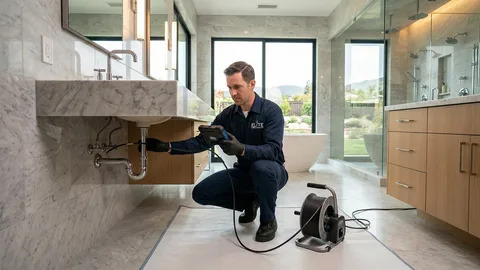
Selecting a qualified contractor to handle your wastewater needs is a decision that should not be taken lightly, as the quality of the service directly impacts the safety of your property. When evaluating potential providers, it is essential to verify their certifications and experience specifically in the field of advanced septic system repair. A company that specializes in septic pumping may not have the technical expertise required to perform complex restorative procedures like soil fracturing or biomat remediation. Property owners should look for companies that invest in continuous training and utilize modern diagnostic technology, such as high-resolution pipe cameras and soil probes, to accurately diagnose the root cause of the problem.
Transparency in pricing and a focus on education are also hallmarks of a reputable service provider. A good technician will take the time to explain what is happening within the system, why a specific treatment is recommended, and how the property owner can prevent future issues. They should provide a detailed report of their findings and a clear plan of action. Furthermore, checking references and reading online reviews can provide insight into the company’s reliability and the longevity of their repairs. Choosing a knowledgeable and trustworthy expert ensures that the service is not just a temporary fix but a long-term solution that restores the system to optimal performance.
The Future of Wastewater Management and Soil Science
As environmental regulations become stricter and land becomes scarcer, the science behind wastewater management continues to advance. The future of drain field services is moving toward precision agriculture-style management, where sensors are placed within the soil to monitor moisture levels, temperature, and bacterial activity in real-time. This “smart” technology allows technicians and property owners to detect imbalances before they manifest as visible failures. For instance, a sensor detecting a sudden spike in moisture could alert the owner to a leaky faucet or a malfunctioning float switch, allowing for immediate correction before the field is hydraulically overloaded.
Additionally, there is a growing trend toward the use of sustainable and eco-friendly materials in system construction and repair. Researchers are developing new types of geotextiles and filtration media that mimic the natural purifying properties of wetland ecosystems, providing higher treatment efficiency in smaller footprints. Advanced aerobic treatment units (ATUs) are also becoming more prevalent, pre-treating the effluent to such a high degree that it places less stress on the drain field. As these technologies evolve, the role of the professional service provider will become even more specialized, requiring a deep understanding of both mechanical engineering and biological science to ensure that these complex systems operate harmoniously with the environment.
Conclusion
In summary, the decision to invest in professional maintenance is a decision to protect your property, your health, and the environment. A drain field is the silent workhorse of a property, and when it fails, the consequences are immediate, messy, and expensive. By understanding What Are the Benefits of Professional Drain Field Services, property owners can shift their mindset from reactive crisis management to proactive stewardship. The expertise required to diagnose, restore, and maintain these systems goes far beyond general plumbing knowledge, requiring a specialized understanding of soil science, hydraulics, and microbiology.
Whether you are dealing with an aging system, noticing early signs of failure, or simply looking to ensure that your property remains compliant and functional for decades to come, engaging a professional is the most prudent course of action. The peace of mind that comes from knowing your wastewater is being treated safely and efficiently is invaluable. In an era where environmental responsibility is paramount, prioritizing the health of your drain field through expert care is not just a maintenance task; it is an investment in a sustainable and secure future.