
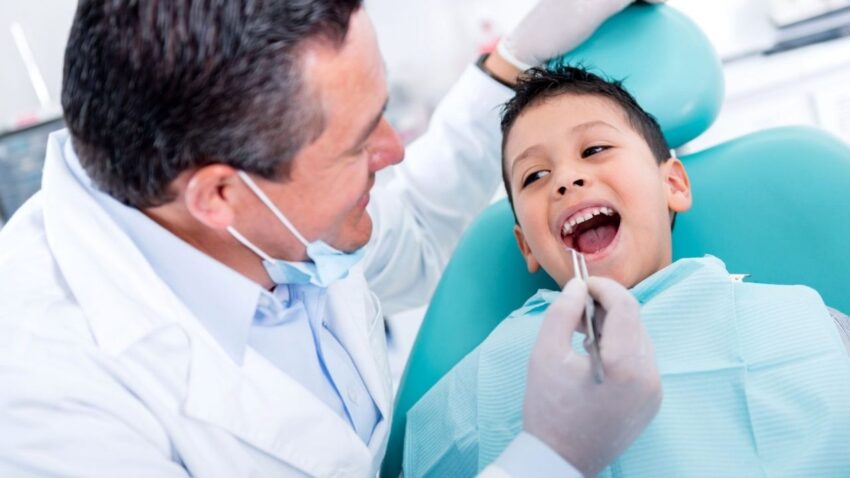
A child’s smile is an important part of their growth, confidence, communication, and overall well-being. However, problems such as cavities, unhealthy dental habits, early tooth loss, dental anxiety, and developing orthodontic concerns can affect a child’s oral health. With timely and age-appropriate pediatric dental care, many of these problems can be prevented or treated effectively.
Modern kids dental treatment focuses on more than simply treating a tooth when a problem appears. It also involves prevention, developing healthy oral habits, managing dental anxiety, protecting baby teeth, and monitoring the growth of permanent teeth. Depending on the child’s needs, a pediatric dentist may recommend treatments such as cavity filling for kids, root canal treatment for kids, braces treatment for kids, preventive dental treatment, baby teeth removal, or space maintainers.
Why Is Children’s Dental Care Important?
Baby teeth play an important role in a child’s development. They help children chew food, speak clearly, and maintain the space required for permanent teeth. Although these teeth eventually fall out naturally, untreated dental problems can cause pain, infection, difficulty eating, and other oral health concerns.
Regular children’s dental care allows dentists to identify problems at an early stage. It also helps children become familiar with dental visits and develop good oral hygiene habits.
Parents looking for dental care for children should consider regular check-ups rather than waiting until their child experiences severe tooth pain.
Early pediatric dental care can help:
- Detect cavities at an early stage
- Protect developing permanent teeth
- Manage dental infections
- Encourage proper brushing habits
- Monitor tooth and jaw development
- Address harmful oral habits
- Reduce dental anxiety
- Maintain healthy baby teeth
Kids Treatments That Help Protect and Restore a Child’s Smile
Every child has different dental needs. A pediatric dentist evaluates the child’s age, dental development, oral health, and specific concerns before recommending treatment.
1. Cavity Filling for Kids
Dental cavities are one of the most common oral health problems among children. Frequent sugary snacks, sweetened drinks, inadequate brushing, and plaque accumulation can contribute to tooth decay.
When decay has affected part of a tooth, cavity filling for kids may be recommended. During the procedure, the decayed portion is removed and the affected area is restored with an appropriate filling material.
Parents searching for kids cavity filling or cavity treatment for children should arrange a dental examination when they notice visible cavities, sensitivity, toothache, or changes in the appearance of their child’s teeth.
Early children’s cavity treatment can help prevent decay from becoming more extensive. In suitable cases, dental fillings for kids can restore the affected tooth and allow the child to continue using it normally.
2. Painless Dental Treatment for Children
Dental anxiety is common among children, particularly when they are unfamiliar with dental procedures. Creating a comfortable and child-friendly dental experience can help them feel more relaxed.
Painless dental treatment for kids focuses on making dental procedures as comfortable as possible while using age-appropriate communication and techniques.
Parents searching for painless dental care for children may benefit from choosing a clinic that understands children’s emotional and dental needs. A child-friendly dental treatment approach can help children feel more comfortable during appointments.
Comfort-focused kids dental care can also help children develop a positive attitude toward future dental visits. When children associate dental appointments with a safe and supportive environment, they may be more willing to maintain regular check-ups.
3. Root Canal Treatment for Kids
Deep tooth decay can sometimes reach the inner portion of a tooth and cause inflammation or infection. In such cases, simply placing a filling may not be sufficient.
Depending on the condition of the tooth, root canal treatment for kids may be recommended to manage the affected tooth and preserve it when possible.
Pediatric root canal treatment is performed after carefully evaluating the child’s tooth and dental development. Parents may search for root canal treatment for children when their child has persistent tooth pain, swelling, sensitivity, or deep decay.
In appropriate cases, root canal for kids can help preserve a primary tooth until it is naturally replaced by its permanent successor.
Preserving baby teeth when possible is important because they contribute to chewing, speech, and maintaining the space needed for developing permanent teeth.
4. Braces Treatment for Kids
As children grow, their teeth and jaws continue to develop. Some children may have crowded teeth, spacing problems, protruding teeth, or bite-related concerns that require orthodontic evaluation.
Braces treatment for kids can help correct certain alignment and bite problems as recommended by an orthodontist.
Parents may look for braces for children, kids braces treatment, or orthodontic treatment for kids when they notice crooked teeth, overcrowding, unusual spacing, or difficulties related to the bite.
Early orthodontic evaluation does not necessarily mean that every child needs braces immediately. The dentist or orthodontist will assess the child’s dental development and determine the appropriate timing for treatment.
With suitable planning, braces treatment for children can support better tooth alignment and contribute to healthier oral function.
5. Preventive Dental Treatment
Prevention is one of the most important parts of maintaining a child’s healthy smile. Instead of waiting for cavities or other dental problems to develop, regular preventive care can help reduce potential risks.
Preventive dental treatment for kids may include regular dental examinations, professional cleaning when required, fluoride application, dental sealants, and oral hygiene guidance.
Parents can support preventive dental care for children by helping their child brush twice daily, using an appropriate fluoride toothpaste, limiting frequent sugary snacks, and encouraging healthy eating habits.
Regular kids preventive dental care also allows the dentist to monitor the development of primary and permanent teeth. Preventive dentistry for kids can therefore play an important role in maintaining good oral health throughout childhood.
6. Laughing Gas Dentistry for Children
Some children feel nervous or uncomfortable when visiting the dentist. Dental anxiety can sometimes make it difficult for a child to cooperate during an examination or treatment. In suitable cases, laughing gas dentistry for kids may be considered to help children feel more relaxed during dental procedures.
Also known as nitrous oxide sedation, laughing gas is administered through a small mask placed over the child’s nose. It can help create a calmer and more comfortable dental experience while the child remains conscious and responsive.
Parents looking for laughing gas for children’s dental treatment or nitrous oxide dentistry for kids should discuss their child’s medical and dental history with the dentist. The dentist can determine whether this approach is appropriate based on the child’s age, treatment requirements, and overall health.
A comfortable experience with laughing gas dental treatment for kids may help reduce fear and make future dental appointments easier for some children.
7. Dental Care for Children With Special Healthcare Needs
Children with special healthcare needs may require individualized dental care depending on their physical, developmental, behavioral, or medical requirements. Their dental treatment may need additional planning to ensure that appointments are comfortable, safe, and suitable for their specific circumstances.
Dental care for children with special healthcare needs focuses on understanding the child’s individual needs before recommending treatment.
Parents looking for special needs dental care for children should share relevant information about their child’s healthcare needs with the dental team. This allows the dentist to plan an appropriate approach.
Pediatric dental care for special healthcare needs may include preventive examinations, oral hygiene guidance, cavity management, and other treatments depending on the child’s dental condition.
Providing specialized dental treatment for children can help address oral health concerns while taking the child’s individual circumstances into consideration.
8. Baby Teeth Removal
Baby teeth usually fall out naturally when permanent teeth are ready to erupt. However, in some situations, a primary tooth may need to be removed by a dentist.
Extensive decay, infection, dental trauma, or a baby tooth that does not fall out when expected may sometimes require professional evaluation. Baby teeth removal should only be performed when clinically appropriate.
Parents may search for baby tooth extraction for kids or removal of baby teeth when their child has a severely damaged tooth or when a primary tooth is interfering with normal dental development.
A dentist may recommend pediatric baby tooth removal after examining the tooth and considering the child’s dental development.
If a baby tooth needs to be removed earlier than expected, the dentist may also assess whether a space maintainer for kids is required to help preserve the space for the developing permanent tooth.
9. Oral Habits Management
Children may develop oral habits such as thumb sucking, prolonged pacifier use, tongue thrusting, or other behaviors that can affect the development of their teeth and jaws when they continue beyond the appropriate stage.
Oral habits management for children focuses on identifying potentially harmful habits and helping the child gradually overcome them.
Parents searching for oral habits management for kids can consult a pediatric dentist if they are concerned about persistent thumb sucking, pacifier use, or other oral habits.
Habit correction in children may involve age-appropriate guidance and monitoring. The approach depends on the child’s age, the habit, its frequency, and whether it is affecting dental development.
Early pediatric oral habits management can help parents understand whether an oral habit requires intervention or simply continued observation.
10. Space Maintainers
Baby teeth help maintain the natural space required for permanent teeth. If a primary tooth is lost too early, neighboring teeth may shift toward the empty area and potentially affect the eruption path of the permanent tooth.
In selected cases, space maintainers for kids may be recommended to preserve the space until the permanent tooth is ready to erupt.
Other useful variations include space maintainer for children, pediatric space maintainers, and dental space maintainers for kids.
A space maintainer is not necessary for every child who loses a baby tooth early. The dentist considers factors such as the child’s age, the location of the missing tooth, the development of the permanent tooth, and expected eruption time before recommending one.
11. Early Childhood Caries
Early childhood caries refers to tooth decay that develops in young children. It can affect baby teeth and may progress quickly if not identified and treated early.
Poor oral hygiene, frequent exposure to sugary foods and drinks, and prolonged or frequent exposure of teeth to fermentable carbohydrates can contribute to tooth decay.
Early childhood caries treatment depends on the severity of the condition and the child’s individual dental needs. Treatment may include restorations, preventive measures, or other appropriate dental care.
Parents looking for early childhood caries treatment for kids should arrange a dental examination if they notice white spots, brown or dark areas, sensitivity, or cavities on their child’s teeth.
Treatment for early childhood caries is most effective when combined with improvements in daily oral hygiene and dietary habits. Regular dental visits can also help identify new areas of decay before they become more extensive.
How Can Parents Help Maintain Their Child’s Healthy Smile?
Professional dental treatment is only one part of maintaining good oral health. Daily habits at home play an equally important role.
Parents can help their children by:
- Encouraging brushing twice every day
- Using age-appropriate fluoride toothpaste
- Helping younger children brush effectively
- Limiting frequent sugary snacks and drinks
- Encouraging healthy food choices
- Scheduling regular dental check-ups
- Addressing dental pain or sensitivity promptly
- Protecting teeth during sports and physical activities
- Discouraging prolonged harmful oral habits
Combining regular pediatric dental care with good home hygiene can help children maintain healthier teeth as they grow.
When Should Your Child Visit a Pediatric Dentist?
Children should have regular dental examinations even when they do not have obvious dental problems. Routine visits allow the dentist to monitor tooth development and identify potential concerns early.
Parents should schedule an appointment if their child has:
- Persistent toothache
- Visible cavities
- Tooth sensitivity
- Swollen gums
- Facial swelling
- Broken or chipped teeth
- Early loss of a baby tooth
- Difficulty chewing
- Persistent thumb sucking or another oral habit
- Fear or anxiety related to dental visits
A pediatric dentist in Karad can evaluate the child’s oral health and recommend appropriate treatment based on their individual needs.
Why Choose Chintamani Dental Home Clinic for Children’s Dental Care?
Choosing a dental clinic that understands children’s needs can make dental visits more comfortable and positive. Children may require a different approach to communication, treatment planning, and behavior management than adults.
Chintamani Dental Home Clinic provides child-focused dental care designed around the individual needs of young patients. Families looking for Chintamani Dental in Karad can consult the clinic for children’s dental examinations, preventive care, and treatment.
For parents searching for a kid’s dentist in Karad, regular dental visits can help identify problems early and establish healthy oral hygiene habits.
Families looking for pediatric dental treatment in Karad can seek professional evaluation when their child experiences cavities, dental pain, early tooth loss, oral habits, or other dental concerns.
Conclusion
Restoring and protecting a child’s smile requires a combination of timely treatment, prevention, and consistent oral hygiene. Children’s dental needs can change as they grow, which makes regular dental examinations particularly important.
From cavity filling for kids and root canal treatment for kids to braces treatment for children, baby teeth removal, space maintainers for kids, and early childhood caries treatment, the appropriate treatment depends on each child’s individual dental condition.
Treatments such as painless dental care for children, laughing gas dentistry for kids, oral habits management for children, and preventive dental care for kids can also support a more comfortable and positive dental experience.
Parents can protect their child’s smile by starting good oral hygiene early, limiting sugary foods and drinks, attending regular dental check-ups, and seeking professional advice whenever they notice a dental concern.
Source: The Ultimate Guide to Restoring Your Child’s Smile