
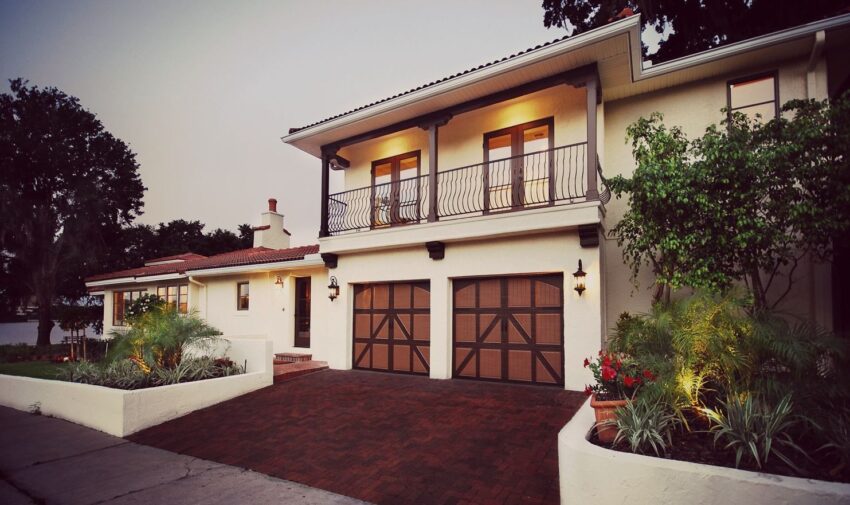
The exterior of a home creates the first impression, but its importance goes far beyond appearance. Siding, windows, roofing, doors, trim, and other exterior elements work together to protect the property from weather while influencing comfort, maintenance, and curb appeal. When several exterior features need attention, working with an experienced exterior remodeling contractor can make the planning process easier and help create a more cohesive result. Instead of approaching every improvement as a separate project, homeowners can develop an overall exterior plan that combines practical upgrades with attractive design choices.
Understanding Exterior Remodeling
Exterior remodeling can involve many different types of improvements. Some homeowners may want to update outdated siding, while others may be interested in new windows, improved entry doors, roofing work, or a complete transformation of the home’s exterior.
The scope of the project depends on the condition of the property and the homeowner’s goals. An exterior remodeling contractor can evaluate the existing exterior and help determine which improvements should be prioritized. This can be especially useful when several components are aging at the same time.
A thoughtful remodeling plan considers both appearance and performance. New materials may improve weather protection, reduce maintenance, or enhance energy efficiency while also giving the home a refreshed appearance.
Why Professional Planning Matters
Exterior remodeling projects often involve several interconnected components. Changing siding, for example, may affect trim, exterior lighting, windows, or other details around the home. Replacing windows may also require adjustments to surrounding materials.
Working with an experienced exterior remodeling contractor can help coordinate these elements. Instead of selecting every material independently, homeowners can develop a design where colors, textures, proportions, and architectural details work together.
Professional planning can also help establish priorities. If the home has water damage or deteriorating materials, addressing those concerns should generally come before purely cosmetic improvements.
Improving Curb Appeal
One of the most visible benefits of exterior remodeling is improved curb appeal. A coordinated combination of siding, windows, roofing, doors, and landscaping can significantly change how a property looks from the street.
Color plays an important role. Neutral siding with contrasting trim can create a classic appearance, while darker exterior colors can give a contemporary home a stronger visual presence. Natural wood accents can add warmth to both traditional and modern designs.
The goal is not necessarily to make every exterior feature the same color. Using complementary shades can create depth and highlight architectural details without making the property appear overly busy.
Choosing the Right Siding
Siding covers a large portion of many homes, making it one of the most influential exterior design decisions. Materials can vary in appearance, durability, maintenance requirements, and cost.
Homeowners may consider options such as vinyl, fiber cement, engineered wood, natural wood, or other specialized materials. Each has different characteristics, so the right choice depends on the property’s needs and the desired appearance.
A professional exterior remodeling contractor can explain how different siding materials perform and how they may work with the home’s architecture. Consider maintenance requirements as well as initial cost when comparing options.
Updating Windows for Comfort and Style
Windows influence both the appearance and performance of a home. Older or damaged windows may contribute to drafts, moisture problems, or reduced comfort, depending on their condition.
Window replacement can provide an opportunity to update the home’s appearance while addressing performance concerns. Modern window designs are available in many styles, sizes, frame colors, and configurations, allowing homeowners to select options that complement the architecture.
When replacing windows, consider how the frames will coordinate with the siding and trim. Consistent proportions and complementary colors can make the exterior look more polished.
Coordinating Roofing With the Exterior
The roof is another major visual component of a home’s exterior. Because it covers such a large area, its color and material can influence the overall design.
If a homeowner is planning roof replacement as part of a larger exterior project, it is useful to consider the roof and siding together. A neutral roof can provide flexibility with siding colors, while a distinctive roofing material may become a design feature.
The practical performance of the roof should remain the primary consideration, but there is no reason functionality and appearance cannot work together.
Creating an Inviting Entryway
The front entrance is often the focal point of a home’s exterior. A new door, updated lighting, attractive hardware, and carefully chosen colors can make a significant difference without requiring a complete remodel.
Consider the proportions of the entryway and the architectural style of the property. A contemporary door may work well with clean-lined architecture, while a traditional home may benefit from more classic details.
An exterior remodeling contractor can help coordinate the entry area with other exterior improvements so that the front of the home feels cohesive.
Considering Energy Efficiency
Exterior remodeling can also provide an opportunity to improve energy performance. Depending on the existing condition of the property, improvements to windows, insulation, siding, doors, and other components may contribute to a more comfortable interior.
However, homeowners should avoid assuming that every new product automatically provides the same level of performance. Ask contractors about the specific characteristics of proposed materials and how they are expected to perform in your home’s conditions.
A comprehensive approach can be more effective than focusing on a single component in isolation.
Planning for Weather and Durability
Exterior materials must withstand the local environment. Sun exposure, rain, wind, humidity, temperature changes, and other weather conditions can affect different materials in different ways.
When choosing products, consider how much maintenance you are willing to perform. Some homeowners prefer materials that require minimal upkeep, while others may prioritize the natural appearance of materials that need more regular care.
A knowledgeable contractor should be able to explain how different materials are expected to perform and what maintenance they require.
Setting a Realistic Remodeling Budget
Budget planning is an important part of any exterior project. Before work begins, determine which improvements are essential and which are optional. This can help prevent spending decisions from becoming overwhelming.
Obtain detailed estimates that explain materials, labor, preparation, disposal, and other expected costs. If multiple projects are being completed at the same time, make sure you understand how the individual costs contribute to the total.
A low estimate is not automatically the best value. Quality materials, professional installation, proper preparation, and appropriate warranties can all affect the long-term value of the project.
Selecting the Right Contractor
Choosing the right exterior remodeling contractor is one of the most important decisions in the process. Look for relevant experience, appropriate licensing and insurance, clear communication, and a history of completed projects.
Ask to see examples of previous work when possible. You can also ask how the contractor handles unexpected issues, project delays, material changes, and cleanup.
A reliable professional should be willing to explain the project clearly rather than pressuring you into making a quick decision.
Understanding the Project Timeline
Exterior remodeling can involve multiple stages, and the timeline may depend on weather, material availability, project size, and other factors. Discuss the expected schedule with the contractor before work begins.
If you are combining roofing, siding, windows, and other improvements, ask how the work will be sequenced. Proper coordination can reduce unnecessary disruption and help ensure that different components are installed appropriately.
Weather can sometimes cause delays, particularly for exterior work. A professional contractor should communicate significant schedule changes rather than leaving homeowners uncertain.
Protecting Your Property During Construction
Exterior remodeling can generate dust, debris, noise, and temporary changes around the property. Discuss how landscaping, driveways, windows, vehicles, and outdoor furniture will be protected.
If siding or roofing materials are being removed, ask how debris will be collected and disposed of. Proper cleanup should be part of the project plan.
You may also need to prepare interior areas if construction involves windows or doors. Moving fragile objects away from affected areas can help reduce the risk of accidental damage.
Maintaining the New Exterior
Once remodeling is complete, regular maintenance can help preserve the appearance and performance of the improvements. Inspect exterior surfaces periodically for visible damage, clean appropriate materials according to manufacturer recommendations, and keep drainage systems clear.
Pay attention to areas around windows, doors, roof edges, and other transitions between materials. Early attention to small problems can help prevent them from becoming larger concerns.
Keep records of products, warranties, installation dates, and contractor information. These details can be useful for future maintenance or additional remodeling projects.
Creating a Cohesive Exterior Design
A successful exterior remodel should feel like one complete design rather than a collection of unrelated upgrades. The siding, roof, windows, doors, trim, lighting, and landscaping should work together through color, proportion, and material.
An exterior remodeling contractor can help homeowners think about the property as a whole. This approach can be particularly useful when several components are being replaced or updated at once.
Remember that timeless design often provides greater long-term satisfaction than chasing every current trend. Choose materials and colors that you can comfortably live with for many years.
Final Thoughts
Working with an experienced exterior remodeling contractor can help transform an aging or outdated property into a home that looks attractive, functions effectively, and better reflects the homeowner’s personal style. From siding and windows to roofing, doors, trim, and entryways, each exterior element contributes to the overall appearance and protection of the property.
The most successful remodeling projects begin with careful planning. Establish your priorities, set a realistic budget, compare materials, review contractor credentials, and make sure the complete scope of work is clearly understood before construction begins. By combining practical improvements with thoughtful design, you can create an exterior that offers lasting beauty, comfort, and value while giving your home a fresh and distinctive identity.