
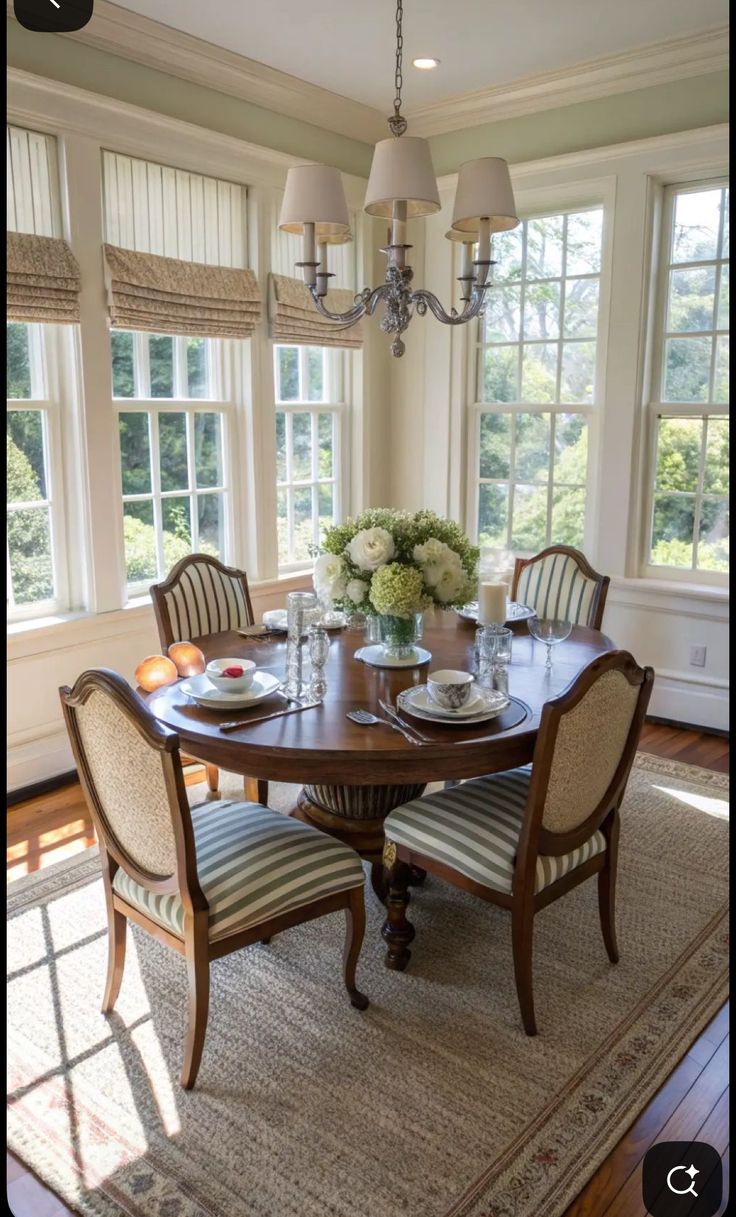
A dining room is more than just a place where meals are served. It is often where families gather after a long day, friends share conversations, and special occasions become lasting memories. Because of this, the furniture chosen for the dining area can have a strong influence on the atmosphere of the entire home. Vintage dining table and chairs are an excellent choice for anyone who wants to create a space that feels warm, welcoming, and full of character. Unlike mass-produced furniture, vintage pieces often have distinctive details, natural materials, and a sense of history that makes them feel personal. Whether your home has a traditional, contemporary, or eclectic style, the right vintage dining furniture can bring timeless appeal without making the room feel outdated.
Why Vintage Dining Furniture Has Lasting Appeal
The charm of vintage dining table and chairs comes from their individuality. Modern furniture is often produced in large quantities, which means the same designs can appear in countless homes. Vintage furniture, on the other hand, frequently has details that make each piece feel different. The grain of an older wooden table, the shape of its legs, original hardware, or subtle signs of use can all contribute to its character. These details create a sense of authenticity that is difficult to reproduce with brand-new furniture.
Another reason vintage dining furniture remains popular is its versatility. A traditional wooden table does not have to be surrounded by matching vintage chairs or antique accessories. It can be paired with contemporary seating, modern lighting, colorful artwork, or minimalist tableware. This ability to work with different styles makes vintage furniture a practical option for people who want a dining room that can evolve over time.
Finding the Right Vintage Dining Table
Choosing the right vintage dining table and chairs begins with considering the size and layout of your dining area. A large table may look impressive in a spacious room, but it can make a smaller dining area feel crowded. Before purchasing, measure the available space and leave enough room around the table for people to sit comfortably and move their chairs.
The shape of the table can also influence the overall feeling of the room. Rectangular tables are classic and practical, particularly for larger gatherings, while round tables can create a more intimate setting. Oval designs offer a combination of both, providing generous seating while maintaining softer visual lines.
Material is another important consideration. Natural wood is one of the most appealing choices for a vintage dining room because it adds warmth and texture. Oak, walnut, teak, pine, and other woods can each create a different mood. Rather than looking for a table that appears perfectly new, consider the qualities that make the piece distinctive. Small marks, variations in color, and natural imperfections can add to the character of a vintage table.
Choosing Comfortable Vintage Dining Chairs
A beautiful table needs equally thoughtful seating. When selecting vintage dining chairs, appearance should never be the only consideration. Since dining chairs are used regularly, comfort, stability, and appropriate height are essential. Sit on the chair whenever possible and check whether it provides adequate support.
You do not necessarily need to purchase chairs that match the dining table perfectly. In fact, mixing chairs can create a more relaxed and creative look. A wooden vintage table can be paired with upholstered chairs, contemporary seats, or several different vintage designs that share similar colors or materials.
If you prefer a coordinated appearance, look for chairs with a common visual element. Similar wood tones, matching upholstery, or related shapes can make different chairs feel connected. This approach allows you to create a cohesive dining room without sacrificing individuality.
Mixing Vintage and Modern Styles
One of the easiest ways to make vintage dining furniture feel fresh is to combine it with modern elements. A classic wooden table can look striking beneath a contemporary pendant light, while vintage chairs can be placed around a minimalist table. This contrast prevents the dining room from feeling like a recreation of a particular historical period.
Modern artwork can also create an interesting relationship with vintage furniture. A large abstract print above a traditional sideboard can make the room feel current, while contemporary ceramics can add another layer of contrast. The objective is not to make every element belong to the same period. Instead, allow different styles to communicate with one another through color, texture, and proportion.
This balance between old and new is particularly useful when decorating a modern home. Vintage furniture introduces warmth and personality, while contemporary accessories keep the overall appearance clean and relevant.
Creating Warmth With Color and Texture
Color has a major role in making a dining room feel inviting. Natural wood already provides a warm foundation, so it can be complemented with neutral shades such as cream, beige, warm white, or soft gray. Earthy tones such as olive, terracotta, muted blue, and brown can also work beautifully with vintage furniture.
Textiles can make the dining area even more comfortable. Linen curtains, woven rugs, fabric seat cushions, and soft table runners can introduce texture without overwhelming the furniture. If the table has a strong natural grain, consider keeping other materials relatively simple so that the wood remains a visual feature.
A rug placed underneath the table can also help define the dining area, particularly in an open-plan home. Choose a size that allows chairs to remain on the rug even when they are pulled away from the table. This small detail can make the dining space feel more complete and visually connected.
Using Lighting to Highlight Vintage Pieces
Lighting can completely change the appearance of a dining room. A well-chosen fixture can highlight the beauty of a vintage dining table and chairs while creating a comfortable atmosphere for meals and conversations. Pendant lights are particularly effective when positioned directly above the table because they establish the dining area as a focal point.
The style of the light does not have to match the furniture exactly. A simple contemporary pendant can create an attractive contrast with traditional wood, while a vintage-inspired fixture can reinforce the historical character of the room. Warm-toned lighting is often a good choice because it enhances wood and creates a relaxed evening atmosphere.Natural light should also be considered. If the dining table is positioned near a window, keep window treatments light enough to allow daylight into the room. Natural illumination can bring out subtle variations in wood and make the entire space feel brighter.
Decorating the Table Without Creating Clutter
The dining table itself can become a decorative feature, but it is important not to cover too much of its surface. One carefully selected centerpiece can often be more effective than a collection of unrelated objects. A ceramic vase, bowl of seasonal fruit, simple floral arrangement, or sculptural object can provide a focal point while allowing the beauty of the table to remain visible.
For everyday use, practical tableware can also contribute to the overall design. Handmade ceramics, natural linen napkins, wooden serving boards, and simple glassware can complement the character of vintage furniture. These details create a relaxed and authentic atmosphere without requiring excessive decoration.
When the dining table is not being used, keeping some of its surface clear can actually make the room feel more spacious. Vintage furniture often has enough personality on its own, so it does not need to be surrounded by decorative objects.
Making Vintage Furniture Work in Small Spaces
A small dining room does not mean you have to give up on vintage style. In compact spaces, choosing furniture with the right proportions is especially important. A round or oval table can sometimes make movement easier, while slim-legged chairs can create a lighter visual appearance.
Storage can also be incorporated carefully. A vintage sideboard or compact cabinet can provide space for tableware while adding character to the room. Instead of filling the walls with multiple decorative items, consider one strong artwork or a single vintage exhibition poster to create visual interest.Mirrors can also help a smaller dining area feel brighter and more open. Placing a mirror where it can reflect natural or artificial light can make the room appear more spacious without requiring additional