
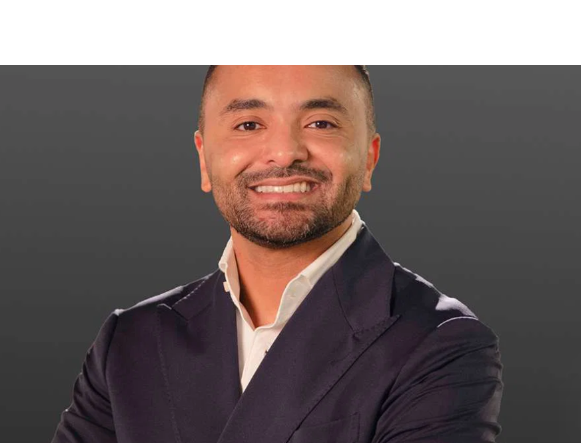
Choosing a specialist for an aesthetic or reconstructive procedure is an important decision that deserves careful research and thoughtful consideration. Every person’s anatomy, expectations, and treatment objectives are different, so selecting a professional who takes an individualized approach can make the planning process clearer. When searching for the Best plastic surgeon in Riyadh, prospective patients should look beyond advertisements and consider qualifications, relevant experience, consultation quality, treatment planning, communication, and the overall approach to patient care.
Finding the appropriate specialist starts with understanding what you want to achieve. Some people may be interested in facial rejuvenation, while others may be considering body contouring, breast procedures, or reconstructive surgery. Different procedures require different forms of expertise, making it important to choose a professional whose experience aligns with the treatment being considered.
Best plastic surgeon cost in Riyadh can vary considerably depending on the procedure, its complexity, treatment area, surgical technique, facility requirements, and individual treatment plan. Rather than selecting a specialist based solely on the lowest or highest quoted price, prospective patients should understand exactly what the cost includes and how it relates to the planned treatment. A detailed consultation can provide a more meaningful estimate than a general advertised price.
When researching the Best plastic surgeon in Riyadh, patients should also consider how comfortable they feel during consultation. A professional should be willing to explain the recommended approach, discuss realistic expectations, answer questions, and provide clear information about preparation and recovery. Taking time to compare these factors can help individuals make a more informed decision.
Understanding What Makes a Plastic Surgeon the Right Choice
The term best can mean different things to different patients. One individual may prioritize experience with facial procedures, while another may be searching for expertise in body contouring or reconstructive surgery.
Instead of relying on rankings or promotional statements alone, patients can develop their own criteria for choosing a specialist. Important considerations may include:
- Professional qualifications
- Relevant surgical experience
- Experience with the specific procedure
- Personalized consultation
- Clear communication
- Realistic treatment planning
- Appropriate facility standards
- Transparent pricing
- Follow-up arrangements
- Patient-centered care
These factors provide a more useful framework for comparing specialists.
Matching Experience With Your Procedure
Experience should be considered in relation to the procedure being planned. A specialist may have extensive experience in one area of plastic surgery but less experience with another.
Patients should therefore ask specifically about experience with the procedure they are considering rather than assuming that general plastic surgery experience covers every treatment equally.
Understanding the Specialist’s Approach
A specialist’s treatment philosophy can also influence the patient experience. Some patients prefer subtle changes that preserve their existing features, while others may have more comprehensive aesthetic goals.
Understanding how a specialist approaches treatment during consultation can help determine whether their philosophy matches the patient’s expectations.
Why a Detailed Consultation Is Important
A consultation provides an opportunity to discuss the patient’s concerns and develop a treatment plan based on individual characteristics.
During consultation, the specialist may evaluate anatomy, discuss medical history, understand aesthetic goals, and explain available options. This process helps transform a general treatment idea into a more specific plan.
Discussing Your Aesthetic Goals
Patients should be open about what they would like to change and why. Clear communication helps the specialist understand the desired outcome.
For example, someone interested in facial rejuvenation may want improved definition while maintaining recognizable facial features. Another person may be focused on body proportions or contour.
Establishing Realistic Expectations
Realistic expectations are an essential part of plastic surgery planning. Every procedure has specific capabilities, and outcomes depend on factors such as anatomy, treatment technique, and individual healing.
A good consultation should provide a balanced explanation of what the procedure is intended to accomplish.
Qualifications to Consider When Choosing a Plastic Surgeon
Professional qualifications are among the first factors patients should investigate. Relevant education, specialist training, certifications, and professional experience can provide useful information when comparing potential specialists.
Patients should look for qualifications that are relevant to plastic surgery and the specific procedure under consideration.
Specialist Training and Credentials
Training provides the foundation for surgical knowledge and technical skills. Patients can ask about the specialist’s education, surgical training, professional certifications, and areas of expertise.
Verifying relevant credentials can help establish confidence before proceeding with treatment.
Relevant Surgical Experience
Experience should be considered alongside qualifications. A specialist who regularly performs the procedure being considered may have a deeper understanding of the planning requirements associated with that treatment.
Patients can ask how frequently the specialist performs the procedure and what types of cases they typically manage.
How to Research the Best Plastic Surgeon in Riyadh
Online research can be a useful starting point, but it should not be the only method used to select a specialist.
Patients can review professional profiles, educational backgrounds, areas of expertise, available information about procedures, and patient resources.
Reviewing Before-and-After Results
Before-and-after photographs can help patients understand a specialist’s aesthetic approach. However, photographs should be viewed as examples rather than guarantees.
Patients should pay attention to whether the examples involve procedures similar to the one they are considering and whether the results appear consistent with their own aesthetic preferences.
Reading Patient Experiences Carefully
Patient reviews may provide insight into communication, appointment experiences, organization, and overall service.
However, individual experiences vary. Reviews should therefore be considered alongside professional qualifications, consultation quality, and relevant experience rather than used as the sole deciding factor.
Best Plastic Surgeon Cost in Riyadh: Understanding the Investment
The Best plastic surgeon cost in Riyadh is not determined by one universal price. The final cost can differ according to the type of procedure and the individual treatment plan.
Factors that may influence the total cost include:
- Procedure type
- Treatment complexity
- Surgical technique
- Number of areas treated
- Facility requirements
- Anesthesia
- Pre-treatment assessments
- Follow-up appointments
- Recovery-related services
Understanding these factors can help patients evaluate quotations more effectively.
Why Prices Can Differ Between Specialists
Different specialists may recommend different techniques based on their assessment. The scope of treatment, facility arrangements, and professional experience can also influence pricing.
Therefore, comparing two prices is only useful when patients understand what each quotation includes.
What Should Be Included in a Treatment Quote?
Patients should ask for a clear breakdown of costs. Depending on the treatment, the quotation may include professional fees, facility charges, anesthesia, consultations, and follow-up care.
Knowing these details in advance can reduce confusion during treatment planning.
Questions to Ask Before Selecting a Specialist
Asking questions during consultation is one of the most effective ways to evaluate whether a specialist is suitable.
Patients may ask:
- What procedure do you recommend for my goals?
- Why is this approach appropriate for me?
- How much experience do you have with this procedure?
- What results can I realistically expect?
- How should I prepare?
- What is the expected recovery timeline?
- How many follow-up appointments are usually required?
- What is included in the total cost?
- Are there alternative approaches I should consider?
- How will my treatment plan be personalized?
The answers can provide valuable insight into the specialist’s communication style and treatment philosophy.
Choosing a Specialist for Facial Plastic Surgery
Facial procedures require careful attention to proportions, symmetry, and individual features. Whether considering a facelift, eyelid procedure, facial contouring, or another treatment, personalized planning is particularly important.
The objective should be to create an improvement that fits the individual’s facial structure rather than applying the same approach to every patient.
Facial Proportions and Balance
The face consists of multiple interconnected features. Changes to one area can influence the appearance of surrounding areas.
A specialist should therefore consider overall facial balance when planning treatment.
Maintaining Individual Characteristics
Many patients want improvement without losing the features that make their appearance recognizable.
Discussing the desired level of change before treatment can help establish a shared understanding between patient and specialist.
Choosing a Specialist for Body Contouring
Body-contouring procedures can involve areas such as the abdomen, arms, thighs, hips, or other regions. The appropriate approach depends on the individual’s body structure and treatment objectives.
Patients should choose a specialist with relevant experience in the specific body-contouring procedure they are considering.
Understanding Body Proportions
Body contouring should be planned around overall proportions rather than focusing only on one area.
A personalized assessment can help determine which areas may benefit from treatment and how changes could complement the rest of the body.
Discussing Treatment Scope
Patients should understand exactly which areas are included in the proposed procedure. This can also help clarify the expected cost and recovery requirements.
A detailed treatment plan should identify the primary objectives before surgery is scheduled.
The Importance of Personalized Treatment Planning
No two patients have exactly the same anatomy or expectations. Personalized treatment planning allows a specialist to consider individual characteristics rather than relying on a standard formula.
The planning process may include physical assessment, medical history, discussion of goals, treatment options, and preparation instructions.
Individual Anatomy
Anatomical differences can influence the choice of surgical technique. Factors such as skin characteristics, tissue distribution, body proportions, and facial structure may all be considered.
Individual Goals
Treatment should be connected to the patient’s actual goals. A consultation provides an opportunity to prioritize concerns and determine what type of improvement matters most.
Considering Dr. Hattan Aljaaly
Patients researching professional aesthetic and plastic surgery guidance in Riyadh may also consider Dr. Hattan Aljaaly as part of their research.
During any consultation, prospective patients should focus on understanding the recommended treatment, the reasoning behind the proposed approach, expected outcomes, preparation requirements, recovery planning, and overall cost.
The goal of consultation is to ensure that patients have sufficient information to make a decision that fits their individual needs.
Evaluating Communication and Patient Care
Communication can significantly influence the overall treatment experience. Patients should feel comfortable discussing concerns and asking questions before making a decision.
Clear Explanations
Medical and surgical terminology can sometimes be difficult to understand. A good consultation should provide explanations that are clear and relevant to the patient’s situation.
Patients should not hesitate to ask for clarification when they do not understand a recommendation.
Availability for Questions
Patients may have questions before and after treatment. Understanding how communication and follow-up are handled can therefore be an important part of choosing a specialist.
Preparing for Your Consultation
Preparation can make a consultation more productive. Patients can write down their concerns, treatment goals, previous procedures, relevant medical information, and questions.
It can also be helpful to identify what matters most when choosing a specialist, such as experience, treatment philosophy, location, scheduling, or budget.
Creating a List of Priorities
Not every factor has equal importance for every patient. Creating a short list of priorities can make the decision-making process more organized.
For example, one person may prioritize relevant surgical experience, while another may place greater emphasis on communication and personalized planning.
Bringing Relevant Medical Information
Providing accurate medical information allows the specialist to understand the patient’s circumstances more fully.
Patients should disclose relevant medications, previous procedures, and other information requested during the consultation.
Understanding Recovery Before Treatment
Recovery planning should be considered before scheduling surgery. Different procedures require different recovery periods, so patients should ask for a realistic timeline.
Work responsibilities, travel plans, family commitments, and physical activities should all be considered when organizing the recovery period.
Planning Time Away From Work
The amount of time required away from work depends on the procedure and individual recovery. Patients should discuss their expected timeline with the specialist rather than relying on general estimates.
Planning adequate time can make the transition back to normal activities more manageable.
Arranging Support at Home
Depending on the procedure, patients may benefit from arranging assistance with everyday tasks during the initial recovery period.
Preparing the home environment in advance can make recovery more organized.
How to Compare Two or More Plastic Surgeons
When several specialists appear suitable, creating a comparison checklist can help.
Consider:
|
Factor |
What to Evaluate |
|
Qualifications |
Relevant specialist training and credentials |
|
Experience |
Experience with your specific procedure |
|
Consultation |
Thoroughness and quality of communication |
|
Treatment plan |
Personalized and clearly explained |
|
Results |
Relevant before-and-after examples |
|
Cost |
Transparent and detailed quotation |
|
Facility |
Appropriate standards and arrangements |
|
Follow-up |
Clear post-treatment plan |
This approach can help patients make a decision based on multiple meaningful factors rather than one headline feature.
Common Mistakes to Avoid When Choosing a Plastic Surgeon
Patients can sometimes focus heavily on price, social media popularity, or promotional claims when selecting a specialist. These factors may provide some information, but they should not replace careful evaluation.
Choosing Only Based on Price
The lowest price may not represent the most appropriate treatment option. Likewise, a higher price does not automatically mean a better choice.
Patients should compare what is included in each treatment plan.
Relying Only on Online Popularity
A strong online presence does not necessarily demonstrate that a specialist is the right match for a particular procedure.
Professional qualifications, relevant experience, consultation quality, and personalized planning should remain central to the decision.
Skipping the Consultation
Making a decision without a detailed consultation can leave important questions unanswered.
A consultation allows patients to understand the recommended treatment and determine whether the specialist’s approach aligns with their goals.
Making a Confident Treatment Decision
Once patients have researched their options and attended consultations, they can compare the information they have gathered.
The final decision should take into account professional qualifications, relevant experience, treatment approach, communication, cost, facility arrangements, and follow-up.
Patients should feel that they understand the proposed procedure and have had enough opportunity to ask questions before moving forward.
The Role of Realistic Expectations
Plastic surgery is intended to improve specific concerns, but the exact outcome varies according to individual anatomy and treatment circumstances.
Realistic expectations help patients understand what the procedure is designed to accomplish.
Understanding Individual Results
Before-and-after examples can demonstrate possible outcomes, but they cannot predict exactly how another person will look after treatment.
Individual anatomy and treatment planning remain important factors.
Focusing on Personal Goals
The most useful comparison is often between the patient’s current appearance and their personal objectives rather than between their expected result and someone else’s photograph.
Planning Your Plastic Surgery Journey in Riyadh
The treatment journey typically includes research, consultation, assessment, treatment planning, preparation, procedure, recovery, and follow-up.
Taking time between these stages can help patients understand their options and make decisions without unnecessary pressure.
Research Before Consultation
Research can help patients arrive at consultation with informed questions. However, online information should complement rather than replace professional assessment.
Consultation Before Commitment
A consultation should be an opportunity to understand the procedure and determine whether the proposed treatment aligns with personal expectations.
Patients can use this stage to clarify cost, recovery, treatment scope, and expected results.
Conclusion: Choosing the Best Plastic Surgeon in Riyadh
Finding the Best plastic surgeon in Riyadh is ultimately a personal decision that should be based on careful research and individualized consultation. Qualifications, relevant procedure-specific experience, communication, treatment philosophy, personalized planning, facility standards, and follow-up arrangements are all important factors to consider.
Understanding Best plastic surgeon cost in Riyadh is also part of the decision-making process, but price should be evaluated alongside the complete treatment plan. Patients should request a clear quotation and understand what services are included before making a commitment.
Most importantly, individuals should choose a specialist who understands their goals and provides clear information about the proposed treatment. A thoughtful consultation can help establish realistic expectations and create a treatment plan suited to individual anatomy and preferences.
By researching carefully, asking detailed questions, comparing relevant experience, and considering the complete patient journey, individuals can approach their decision with greater confidence when searching for the Best plastic surgeon in Riyadh.
FAQs About the Best Plastic Surgeon in Riyadh
How can I find the Best plastic surgeon in Riyadh?
Start by reviewing relevant qualifications, specialist training, experience with the specific procedure you are considering, consultation quality, treatment philosophy, and patient-care approach. A personal consultation can then help you determine whether the specialist is appropriate for your goals.
What qualifications should I look for in a plastic surgeon?
Look for relevant specialist training, professional credentials, appropriate certifications, and experience related to your specific procedure. You can also ask about the specialist’s areas of expertise during consultation.
What factors affect Best plastic surgeon cost in Riyadh?
Best plastic surgeon cost in Riyadh can vary according to the procedure, complexity, treatment areas, surgical technique, anesthesia, facility requirements, consultations, and follow-up care.
Should I choose a plastic surgeon based on price?
Price should be one consideration rather than the only deciding factor. Patients should compare the complete treatment plan, relevant experience, consultation quality, facility arrangements, and included services alongside the total cost.
Why is consultation important before plastic surgery?
Consultation allows the specialist to assess your individual characteristics, understand your goals, explain suitable options, establish realistic expectations, and develop a personalized treatment plan.
How do I know if a specialist has experience with my procedure?
Ask directly about their experience with the specific procedure, including how frequently they perform it and whether they regularly treat patients with similar treatment goals.
Should I look at before-and-after photographs?
Before-and-after photographs can help you understand a specialist’s approach and the types of results they may achieve. However, photographs are examples and should not be considered guarantees of your individual outcome.
What questions should I ask during a plastic surgery consultation?
Ask about the recommended procedure, reasons for the recommendation, relevant experience, expected results, preparation, recovery timeline, follow-up, alternatives, and complete treatment cost.
Can I choose Dr. Hattan Aljaaly when researching plastic surgery in Riyadh?
Dr. Hattan Aljaaly can be included in your research when considering professional aesthetic and plastic surgery guidance in Riyadh. During consultation, discuss your specific goals, recommended treatment, expected outcome, preparation, recovery, and cost.
What is the most important factor when choosing the Best plastic surgeon in Riyadh?
There is no single factor that applies to everyone. Relevant qualifications, procedure-specific experience, personalized treatment planning, clear communication, realistic expectations, and appropriate follow-up should all be considered together when choosing the Best plastic surgeon in Riyadh.