
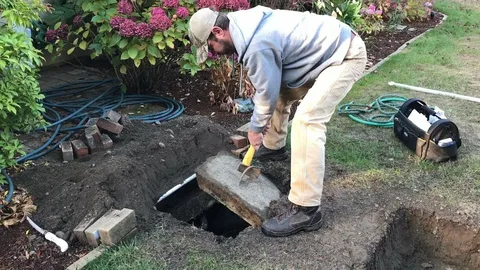
A septic system contains several components that work together to manage household wastewater. Because many of these components are underground, identifying a problem is not always straightforward. Homeowners may notice slow drains, recurring backups, unpleasant odors, or other warning signs without knowing exactly where the problem is located. A professional Septic Tank Camera Inspection can provide valuable visual information about accessible sections of a septic or wastewater system and help technicians better understand certain drainage and piping concerns.
What Is a Septic Tank Camera Inspection?
A Septic Tank Camera Inspection uses specialized camera equipment to visually examine accessible portions of septic-related pipes or wastewater lines. The camera is typically connected to a flexible cable that can travel through a suitable access point in the piping.
As the camera moves through the line, a technician can view the interior condition on a monitor. This may help identify certain visible problems without immediately requiring extensive digging.
Depending on the system and the equipment being used, a camera inspection may provide information about blockages, damaged pipe sections, root intrusion, cracks, separated connections, or other visible conditions.
It is important to understand that camera inspections have limitations. Not every part of a septic system can necessarily be viewed, and a camera cannot replace a complete septic evaluation when one is required.
Why Camera Inspections Are Useful
Traditional troubleshooting methods may sometimes require excavation to locate an underground problem. A camera inspection can provide additional information before property owners commit to extensive digging.
For example, if wastewater is draining slowly throughout a property, the problem could involve a blockage, damaged pipe, or another issue. Rather than assuming the cause, a technician can use available diagnostic methods to investigate the line.
The visual information from a camera may help determine whether the pipe appears open, obstructed, damaged, or affected by roots.
This can make the diagnostic process more informed and may help technicians decide what additional service is appropriate.
Signs You May Need a Camera Inspection
Several recurring plumbing and septic symptoms may justify professional investigation. Slow drainage in multiple fixtures is one possible warning sign, especially when basic drain maintenance does not resolve the problem.
Repeated backups can also indicate an issue farther along the wastewater line. If the same problem keeps returning after cleaning, there may be an underlying condition that needs further evaluation.
Gurgling sounds from toilets or drains, persistent sewage odors, and unexplained wet areas around wastewater infrastructure may also warrant inspection.
However, these symptoms do not automatically mean that a sewer or septic pipe is damaged. They can have different causes, which is why a professional diagnosis is important.
Finding Hidden Pipe Problems
One of the biggest advantages of a Septic Tank Camera Inspection is the ability to view areas that are otherwise difficult to access.
Underground pipes can develop problems that are not visible from the surface. A camera may help identify conditions such as a partial blockage or damaged section of pipe.
In some situations, roots can enter small openings or joints and grow inside the line. This can restrict wastewater flow and contribute to recurring drainage problems.
A camera may also reveal changes in the interior of a pipe that help a technician determine whether further investigation or repair is appropriate.
Camera Inspection During Property Transactions
A septic inspection can be especially valuable when buying or selling a property with a private wastewater system. A home may look perfectly normal from the outside while its underground septic components have developing problems.
Depending on the inspection requirements and the system’s design, a camera inspection may provide additional information about accessible wastewater piping.
For buyers, this information can help them better understand the condition of the system before completing a purchase. For sellers, identifying potential problems in advance may provide an opportunity to address them appropriately.
A camera inspection should be considered one part of a broader property and septic evaluation rather than a complete assessment by itself.
What Happens During a Camera Inspection?
The exact process varies depending on the property and the type of wastewater system. Generally, the technician first identifies an appropriate access point for the camera equipment.
The camera is then carefully inserted into the accessible pipe. As it moves through the line, the technician watches the live video feed for visible abnormalities.
If a problem is identified, the technician may note its approximate location and characteristics. In some cases, specialized equipment can also help determine where a particular section of piping is located.
Once the inspection is complete, the technician can explain the findings and discuss potential next steps.
The process can be relatively straightforward, but access limitations may affect what portions of the system can be inspected.
Problems a Camera May Help Identify
A camera inspection can potentially reveal several types of visible pipe conditions. These may include blockages caused by accumulated materials, intrusive roots, cracks, separated joints, damaged sections, or collapsed portions of accessible piping.
It may also show areas where wastewater flow appears restricted.
However, not every septic problem is visible through a camera. Issues involving soil absorption, groundwater conditions, tank capacity, or certain drain field problems may require other inspection methods.
For this reason, a professional should consider the camera findings together with other information about the septic system.
Camera Inspection vs. Excavation
Excavation can be useful when underground components need to be accessed or repaired, but unnecessary digging can disturb landscaping and increase project complexity.
A camera inspection may help narrow down the location of a suspected pipe issue before excavation begins.
If a camera identifies a specific damaged section, the technician may be able to focus repair efforts on that area rather than excavating a much larger section of the property.
This does not mean excavation can always be avoided. Some repairs require physical access to underground components. The benefit of the camera is that it can provide additional information to guide the decision-making process.
When Recurring Problems Require Further Investigation
One-time drainage problems can sometimes be caused by simple blockages. However, repeated problems deserve closer attention.
If a sewer or septic line is cleaned multiple times but the same backup returns, there may be an underlying structural or mechanical issue.
A Septic Tank Camera Inspection may help determine whether the recurring problem is associated with the accessible piping.
Identifying the underlying cause is important because repeated temporary solutions may not address the actual problem. A professional can use inspection results to determine whether cleaning, repair, replacement, or another service is appropriate.
Choosing a Professional Inspection Provider
When choosing a provider for a Septic Tank Camera Inspection, homeowners should look for professionals who have experience with septic and wastewater systems and use appropriate inspection equipment.
Ask the provider what portions of the system can be inspected and what the camera may be able to identify. It is also reasonable to ask how the findings will be documented and explained.
Clear communication is important. Homeowners should receive an understandable explanation of any visible problems and what they may mean for the overall system.
A camera inspection should be used as a diagnostic tool rather than as a reason to recommend unnecessary repairs.
Maintaining Your Septic System After an Inspection
A camera inspection can provide useful information, but ongoing maintenance remains essential. Homeowners should follow appropriate septic pumping schedules and avoid flushing materials that can contribute to blockages.
Water usage should also be managed responsibly. Excessive wastewater entering the system in a short period can place additional pressure on the septic tank and drain field.
Protecting the drain field from heavy vehicles and structures is another important consideration.
Keeping records of inspections, pumping, cleaning, and repairs can help future technicians understand the system’s history.
Benefits of Early Diagnosis
Finding a problem early can give homeowners more time to consider their options. A developing pipe issue may be easier to manage before it results in a major backup or wastewater release.
A camera inspection does not guarantee that every potential problem will be discovered, but it can provide valuable information when a pipe-related concern is suspected.
The goal is to make the diagnostic process more informed and reduce unnecessary guesswork.
Final Thoughts
A septic or wastewater system can be difficult to evaluate because much of its infrastructure is underground. When recurring drainage problems or other warning signs appear, a Septic Tank Camera Inspection can be a useful diagnostic option for examining accessible piping.
Camera technology may help identify visible blockages, root intrusion, damaged pipes, cracks, or other conditions and can provide information that helps guide repair decisions. However, it should be viewed as one part of a complete professional evaluation when necessary.
Homeowners experiencing repeated backups, slow drainage, unusual odors, or other wastewater concerns should consider having the system professionally assessed. With appropriate inspection, maintenance, and timely repairs, property owners can better understand their septic systems and make informed decisions about future care.