
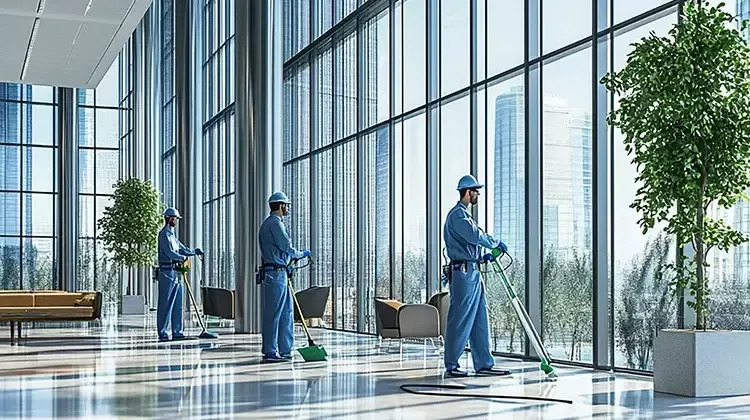
The exterior of a commercial property is constantly exposed to weather, traffic, dust, dirt, pollen, pollution, stains, and organic growth. Over time, these contaminants can affect the appearance of buildings, sidewalks, entrances, parking areas, and other outdoor surfaces. A property that was once bright and attractive can gradually look dull or neglected without regular maintenance. Professional Commercial Exterior Cleaning Services can help businesses maintain cleaner and more presentable properties throughout the year.
Exterior cleaning is not limited to making a building look better. Regular maintenance can help remove accumulated surface contaminants, improve the appearance of customer-facing areas, and make the property easier to manage. From window cleaning and soft washing to concrete cleaning and building exterior maintenance, businesses can create a customized cleaning plan based on their individual needs.
Why Commercial Exterior Cleaning Matters
A commercial property receives constant exposure to environmental conditions.
Rain can leave mineral deposits, wind can carry dust and debris, and moisture can encourage algae or mildew on suitable surfaces. Customers and vehicles can also introduce dirt into entrances, sidewalks, and parking areas.
Over time, this buildup can make a property look less maintained.
Regular professional cleaning provides a practical way to address these contaminants before they become more difficult to remove.
A clean exterior can also complement landscaping, signage, lighting, and other elements of the property’s overall appearance.
Creating a Positive First Impression
Customers often see a business’s exterior before entering the building.
The condition of sidewalks, doors, windows, walls, parking areas, and entrances can contribute to their first impression.
A clean property does not guarantee customer satisfaction, but it can create a more welcoming and professional environment.
For retail stores, restaurants, offices, medical facilities, hotels, and other businesses, maintaining customer-facing areas should be part of a broader property maintenance strategy.
Professional Commercial Exterior Cleaning Services can help businesses keep these visible areas looking consistent.
What Commercial Exterior Cleaning Can Include
Commercial exterior cleaning is a broad category that can cover multiple services.
Depending on the property, services may include:
- Building exterior washing
- Commercial window cleaning
- Sidewalk cleaning
- Concrete cleaning
- Parking area cleaning
- Storefront cleaning
- Entrance cleaning
- Dumpster pad cleaning
- Soft washing
- Exterior surface maintenance
Not every property requires every service.
A professional provider can inspect the property and help determine which areas require regular attention.
Commercial Window Cleaning
Windows are among the most visible features of many commercial properties.
Dust, pollen, fingerprints, rain residue, and pollution can make glass appear cloudy or streaked.
Professional commercial window cleaning can help maintain clearer glass and improve the overall presentation of storefronts and office buildings.
Businesses can choose interior, exterior, or combined window cleaning depending on their needs.
Hard-to-reach windows may require specialized equipment such as water-fed poles, extension systems, or suitable lifts.
Safety and accessibility should always be considered before work begins.
Soft Washing for Commercial Buildings
Not every exterior surface should be cleaned with high pressure.
Certain siding materials, painted surfaces, exterior walls, and other delicate areas may benefit from Soft Washing Services.
Soft washing generally uses lower water pressure combined with suitable cleaning solutions.
This approach can be particularly useful when organic buildup such as algae or mildew is present.
The correct method depends on the surface material and condition.
A professional cleaning provider should inspect the property before deciding whether pressure washing, soft washing, or another method is appropriate.
Concrete and Sidewalk Cleaning
Concrete sidewalks and walkways receive significant amounts of foot traffic.
They can accumulate dirt, mud, gum, oil, algae, and other stains.
Regular cleaning can improve their appearance and help maintain a more welcoming path toward the business entrance.
Pressure washing can be suitable for many durable concrete surfaces, but technicians should still use appropriate pressure and cleaning techniques.
Excessive pressure can potentially damage concrete or joints.
Parking Lot Cleaning
Parking areas are exposed to vehicle traffic, tire marks, oil, dirt, and environmental debris.
A heavily stained parking area can make the property appear poorly maintained.
Professional exterior cleaning can help address suitable surface contaminants and improve the appearance of the parking area.
Businesses should also use cleaning as an opportunity to identify visible maintenance concerns such as damaged pavement, standing water, or deteriorating concrete.
Cleaning does not repair these issues, but it can make them easier to notice.
Restaurant Exterior Maintenance
Restaurants often have more demanding exterior cleaning requirements.
Food-related residue, grease, customer traffic, and waste can affect sidewalks, entrances, patios, and dumpster areas.
Professional exterior cleaning can be combined with Restaurant Dumpster Pad Cleaning to maintain both customer-facing and service areas.
Regular cleaning can help create a more consistent appearance throughout the property.
Restaurants may benefit from scheduling services during quieter periods to minimize disruption to customers and staff.
Dumpster Pad Cleaning
Commercial dumpsters can leave behind food residue, grease, liquids, and other contaminants.
These materials can accumulate on concrete pads and surrounding areas.
Professional cleaning can help address surface buildup and improve the appearance of waste disposal areas.
However, cleaning should be combined with proper waste management.
Businesses should address overflowing dumpsters, leaking containers, poor drainage, and other sources of recurring contamination whenever possible.
Wastewater from cleaning should also be managed responsibly according to applicable requirements.
Cleaning Building Exteriors
Exterior walls can collect dust, pollution, organic growth, and weather-related residue.
The appropriate cleaning method depends heavily on the material.
Brick, concrete, stucco, siding, painted surfaces, and other materials should not necessarily receive the same pressure or cleaning solution.
Professional technicians can evaluate the surface and choose an appropriate method.
This helps reduce the risk of unnecessary damage while addressing visible contamination.
Hard-to-Reach Areas
Commercial buildings often contain areas that are difficult to access.
Upper-level windows, tall walls, architectural features, loading areas, and other elevated surfaces may require specialized equipment.
Professional cleaning companies can assess access requirements and determine whether extension systems, water-fed poles, lifts, or other equipment are appropriate.
Businesses should avoid asking untrained employees to perform elevated exterior cleaning without proper equipment and safety procedures.
Benefits of a Regular Cleaning Schedule
Many businesses wait until their property looks visibly dirty before arranging exterior cleaning.
A recurring maintenance schedule can be a more organized approach.
Regular cleaning can help prevent excessive buildup and make property appearance easier to manage.
The ideal frequency varies depending on:
- Property size
- Business type
- Foot traffic
- Weather conditions
- Surface materials
- Nearby vegetation
- Pollution and dust
- Waste activity
A professional provider can help establish a schedule that matches the property’s actual conditions.
Seasonal Exterior Cleaning
Commercial properties can face different cleaning challenges throughout the year.
Spring may bring pollen and organic debris, while summer can increase dust and water spotting.
Autumn can result in leaves accumulating around entrances and exterior areas.
Winter weather can leave additional moisture-related residue.
Seasonal cleaning can help businesses address changing conditions and maintain a consistent appearance.
The frequency should be adjusted according to local weather and property requirements.
Protecting Landscaping and Surrounding Areas
Exterior cleaning often takes place near plants, grass, flowers, windows, doors, signs, and outdoor equipment.
Cleaning solutions and high-pressure water should be controlled carefully.
Professional technicians should take reasonable precautions to protect surrounding areas.
This may involve adjusting pressure, controlling spray patterns, protecting sensitive items, and rinsing nearby surfaces where appropriate.
Businesses should inform the cleaning provider about any areas that require special attention before service begins.
Responsible Wastewater Management
Commercial exterior cleaning can produce wastewater containing dirt, grease, cleaning solutions, and other contaminants.
Proper wastewater handling is therefore an important part of responsible service.
Cleaning providers should consider the property’s drainage system and applicable requirements when managing runoff.
Businesses can ask potential contractors how wastewater will be handled before agreeing to the service.
Responsible practices help protect surrounding areas and support more environmentally conscious property maintenance.
Choosing a Commercial Exterior Cleaning Company
When comparing Commercial Exterior Cleaning Services, businesses should evaluate more than price.
Experience with commercial properties is important because large buildings often require different equipment, scheduling, and safety procedures than residential properties.
Consider asking about:
- Experience with similar properties
- Insurance coverage
- Cleaning equipment
- Pressure washing and soft washing methods
- Window cleaning capabilities
- Scheduling options
- Wastewater management
- Service scope and pricing
A professional provider should explain the process clearly and provide realistic expectations.
Minimizing Business Disruption
Commercial cleaning should be planned around business operations whenever possible.
For retail stores and restaurants, cleaning during less busy hours can help minimize customer disruption.
Office buildings may schedule exterior work outside normal working hours.
Large properties may require cleaning in stages to keep important areas accessible.
Discussing scheduling requirements before the project begins can help both the business and cleaning company prepare appropriately.
Combining Multiple Cleaning Services
One advantage of a comprehensive exterior maintenance plan is the ability to coordinate several services.
For example, a business might combine commercial window cleaning with building washing, sidewalk cleaning, dumpster pad maintenance, and parking area cleaning.
This can make scheduling easier and provide a more consistent approach to property maintenance.
Different surfaces should still receive the cleaning method appropriate for their individual materials.
Common Exterior Cleaning Mistakes
One common mistake is using excessive pressure on delicate surfaces.
Another is applying unsuitable cleaning chemicals without considering the material or surrounding environment.
Businesses may also overlook wastewater management or fail to protect nearby landscaping.
Waiting until contamination becomes severe can make cleaning more difficult.
A professional assessment and regular maintenance schedule can help reduce these problems.
Final Thoughts
Professional Commercial Exterior Cleaning Services can provide businesses with a practical way to maintain cleaner, more attractive, and better-presented properties. From windows and sidewalks to building exteriors, parking areas, storefronts, and dumpster pads, commercial properties contain many surfaces that require regular attention.
The right cleaning method depends on the material and type of contamination. Durable concrete may be suitable for pressure washing, while certain building surfaces may benefit from soft washing or another lower-pressure approach.
Regular maintenance can also make exterior cleaning more manageable by addressing buildup before it becomes severe. Businesses should consider factors such as traffic, weather, property size, surface materials, and operating schedules when creating a cleaning plan.
When choosing a professional provider, consider experience, insurance, equipment, safety practices, cleaning methods, wastewater management, and communication.
A clean exterior can complement the overall presentation of a business and contribute to a property that looks organized and well cared for. With the right maintenance strategy and professional support, commercial property owners can keep their exterior spaces looking cleaner and more welcoming throughout the year.