
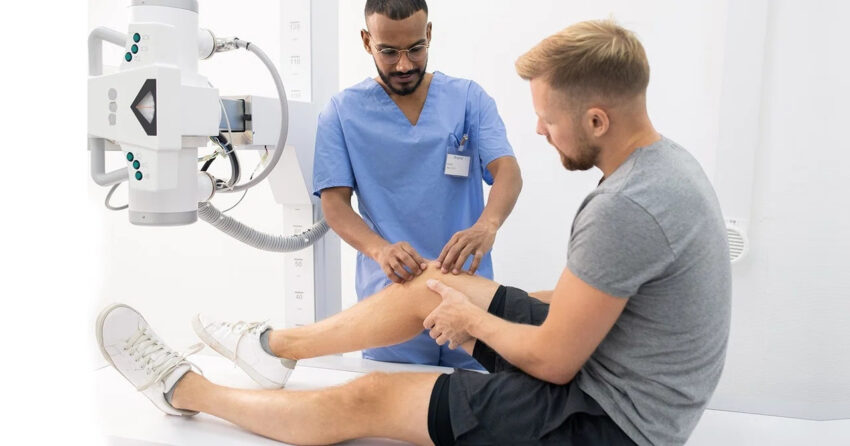
Musculoskeletal conditions can affect mobility, comfort, physical activity, and quality of life. People dealing with persistent joint pain or certain orthopedic injuries often explore different treatment options after conventional approaches have not provided the improvement they hoped for. One area that has received increasing attention is Orthopedic Stem Cell Therapy. While stem-cell-based treatments are being studied for various orthopedic applications, patients should understand that research and evidence can vary significantly depending on the specific therapy and condition.
Stem cell treatments are often discussed as part of regenerative medicine, a field that investigates biological approaches to tissue health and repair. However, regenerative medicine is broad, and not every treatment described as a stem cell therapy has the same scientific support. Before considering any procedure, patients should receive an appropriate diagnosis and discuss the potential benefits, limitations, risks, and alternatives with a qualified healthcare professional.
What Is Orthopedic Stem Cell Therapy?
Orthopedic Stem Cell Therapy refers broadly to treatments involving stem cells or cell-based approaches that are being investigated or used in the context of musculoskeletal conditions.
The term can cover different types of treatments.
The source of the cells, preparation process, method of administration, and intended use may differ from one treatment to another.
For this reason, patients should ask exactly what therapy is being proposed instead of relying only on the general term “stem cell therapy.”
Why Stem Cell Therapy Has Attracted Interest
Traditional orthopedic care includes many established approaches, such as physical therapy, exercise, medication, activity modification, injections, and surgery when appropriate.
Stem-cell-based treatments have attracted interest because researchers are investigating whether certain cells or cell-derived materials may have applications in tissue-related conditions.
This research continues to evolve.
Interest in a treatment does not necessarily mean that it has been proven effective for every orthopedic condition.
The Importance of an Accurate Diagnosis
Before considering stem cell treatment, patients should understand what is causing their symptoms.
Joint pain can have numerous causes, including arthritis, injuries, tendon problems, ligament damage, or other musculoskeletal conditions.
Different diagnoses require different treatment strategies.
A medical evaluation may involve reviewing symptoms and medical history, performing a physical examination, and using diagnostic imaging when appropriate.
An accurate diagnosis provides a better foundation for treatment decisions.
Personalized Orthopedic Care
Patients can respond differently to treatment.
Age, activity level, overall health, previous injuries, medications, and the severity of the condition may all influence treatment decisions.
A personalized approach allows a provider to consider these factors before recommending any procedure.
This is especially important when evaluating emerging treatments where evidence may vary between patients and conditions.
Non-Surgical Orthopedic Treatment
Many patients considering stem-cell therapy are also interested in Non-Surgical Orthopedic Treatment.
Non-surgical options can include physical therapy, exercise, activity modification, medications, supportive devices, and certain injections.
These approaches may be recommended before or alongside other treatments depending on the diagnosis.
Patients should ask how a proposed stem cell treatment compares with established conservative options.
Understanding Regenerative Orthopedic Treatment
Regenerative Orthopedic Treatment is a broad term associated with approaches intended to support biological processes or musculoskeletal tissue health.
Stem-cell-based therapies may fall within this broader area.
However, regenerative medicine includes many different treatments, and evidence varies considerably.
Patients should focus on the specific procedure rather than assuming that all regenerative treatments have the same effectiveness.
What Are Stem Cells?
Stem cells are cells with the ability to develop into certain cell types under appropriate biological conditions.
Researchers have studied stem cells for many potential medical applications.
In orthopedic research, scientists are investigating how different cell types may interact with damaged or diseased tissues.
However, the behavior and potential benefits of stem cells depend on many factors.
This makes it important to understand the exact treatment being considered.
Sources of Cells
Different cell-based treatments may use different sources.
Depending on the treatment, cells may be obtained from a patient’s own body or from another source.
The source, processing, preparation, and administration method can influence the characteristics of the treatment.
Patients should ask their provider where the cells come from and how they are prepared.
How Treatment May Be Delivered
The delivery method depends on the proposed treatment.
Some approaches may involve an injection into or around a targeted area.
Other treatments may use different methods depending on the medical application.
Patients should ask how the procedure is performed, what preparation is required, and what recovery instructions will be provided.
Evidence Matters
One of the most important considerations when evaluating Orthopedic Stem Cell Therapy is the quality of scientific evidence.
Research findings can differ according to the specific condition and treatment.
A promising laboratory finding does not necessarily mean that a therapy has been proven effective in routine clinical use.
Patients should ask whether there are high-quality clinical studies supporting the proposed treatment for their specific condition.
Avoiding Guaranteed Claims
Patients should be cautious when a provider guarantees complete healing or promises that a stem cell procedure will eliminate the need for surgery.
Medical treatments do not work identically for everyone.
Outcomes can depend on diagnosis, severity, health status, treatment technique, and many other factors.
A responsible provider should communicate realistic expectations.
Potential Benefits
Depending on the specific treatment and condition, the potential goal may involve symptom management or improvement in function.
However, potential benefits should not be presented as guaranteed outcomes.
Patients should ask what improvements the treatment is intended to achieve and how success will be evaluated.
Understanding realistic goals is an important part of informed decision-making.
Potential Risks
Every medical procedure can involve risks.
The specific risks associated with a cell-based treatment depend on the type of therapy, how it is prepared, and how it is administered.
Patients should discuss possible complications with their provider before treatment.
They should also provide information about existing medical conditions, medications, allergies, and previous procedures.
Orthopedic Stem Cell Therapy and Rehabilitation
Rehabilitation may remain an important part of orthopedic care even when a patient receives a regenerative or cellular treatment.
Physical therapy can help address strength, flexibility, movement, and function.
Patients should ask whether rehabilitation is recommended before or after treatment.
A comprehensive plan may be more appropriate than relying on a single procedure.
Knee Conditions
The knee is frequently discussed in research involving regenerative and cell-based approaches.
Knee symptoms can have different causes, including arthritis, cartilage problems, ligament injuries, and tendon conditions.
Because these diagnoses are different, a treatment studied for one condition should not automatically be assumed to work for another.
Patients should ask for evidence related specifically to their diagnosis.
Hip Conditions
Hip pain can arise from arthritis, injuries, tendon conditions, or other musculoskeletal problems.
A thorough evaluation can help determine the source of symptoms.
Patients considering Orthopedic Stem Cell Therapy for hip problems should ask whether the proposed treatment has been adequately studied for their specific condition.
They should also discuss established treatment alternatives.
Shoulder Conditions
Shoulder conditions may involve tendons, joints, muscles, or other structures.
Treatment depends on the cause of the symptoms.
Physical therapy, activity modification, medications, injections, and surgery may all have roles depending on the diagnosis.
Regenerative or cell-based treatments may also be discussed, but patients should evaluate the evidence for the particular condition.
Sports Injuries
Athletes often seek treatments that may help them return to activity.
However, recovery from an injury generally involves more than treating symptoms.
Strength, flexibility, stability, movement control, and gradual return to sport are important considerations.
Athletes should ask how any proposed stem cell treatment fits within a complete rehabilitation program.
Arthritis and Stem Cell Research
Arthritis is another condition frequently discussed in connection with regenerative medicine.
Researchers continue to investigate biological approaches for different types of arthritis.
However, arthritis is not one single disease.
The evidence for a treatment can vary depending on the type and severity of arthritis.
Patients should receive condition-specific medical advice rather than relying on general claims about stem cells.
Cellular Therapy
Cellular Therapy is a broader term that may include treatments involving cells or cell-derived materials.
Patients researching stem cell treatments may encounter this term frequently.
Because cellular therapies vary, the term alone does not tell patients whether a treatment is appropriate or effective.
They should ask for details about the specific cells, treatment method, evidence, and risks.
Stem Cell Therapy Denver CO
People searching for Stem Cell Therapy Denver CO may find providers offering different regenerative and cellular procedures.
Patients should compare providers based on qualifications, treatment transparency, evidence, and the quality of the medical evaluation.
A geographic location does not determine whether a specific treatment is appropriate.
The most important consideration is whether the proposed treatment matches the patient’s diagnosis and medical needs.
Denver Stem Cell Clinic
When evaluating a Denver Stem Cell Clinic, patients should ask detailed questions before scheduling a procedure.
They may want to know who will perform the treatment, what type of cells will be used, how the cells are prepared, what evidence supports the treatment, and what risks are involved.
Patients should also ask what alternatives are available.
Stem Cell Therapy Center
A Stem Cell Therapy Center may provide different types of cell-based treatments.
Patients should carefully review the information provided by the center.
They should ask whether the proposed treatment is established or investigational and whether there is clinical evidence supporting its use for their condition.
Transparent communication is essential.
Regenerative Medicine Clinic
A Regenerative Medicine Clinic may offer stem-cell-based or other biological approaches.
Patients should understand that regenerative medicine is a broad field.
Different procedures may have very different evidence profiles.
A provider should be willing to explain what is known about the treatment and what remains uncertain.
Questions to Ask Before Treatment
Before considering stem-cell treatment, patients can ask:
- What is my exact diagnosis?
- Why is this treatment being recommended?
- What type of cells are being used?
- Where do the cells come from?
- How are the cells prepared?
- What evidence supports this treatment for my condition?
- What are the potential risks?
- What alternatives are available?
- What should I realistically expect from treatment?
- What follow-up care will be required?
These questions can help patients make better-informed decisions.
Comparing Treatment Options
Patients should compare stem cell treatment with other reasonable approaches.
Depending on the diagnosis, options may include physical therapy, exercise, medication, injections, activity modification, or surgery.
The newest treatment is not automatically the most appropriate.
A healthcare professional can explain the advantages and limitations of different approaches.
The Role of Conservative Care
Conservative orthopedic care can remain valuable even when regenerative medicine is being considered.
Physical therapy may improve strength and movement.
Activity modification may reduce stress on an affected area.
Medication or other treatments may help manage symptoms.
Patients should discuss how these options fit into their overall care plan.
When Surgery May Be Appropriate
Stem cell therapy should not automatically be viewed as an alternative to every surgical procedure.
Certain injuries and advanced orthopedic conditions may require surgery.
If surgery is recommended, patients can ask about its purpose, potential benefits, risks, recovery time, and alternatives.
A second opinion may also be reasonable when patients are uncertain about a major treatment decision.
Evaluating Online Information
The internet contains a large amount of information about stem cell therapy.
Some sources provide scientific information, while others are primarily promotional.
Patients should evaluate claims carefully.
Testimonials can describe individual experiences but do not necessarily establish that a treatment works for everyone.
Medical decisions should be based on reliable evidence and professional evaluation.
Recovery and Follow-Up
Recovery requirements vary by treatment.
Some procedures may involve activity restrictions, while others may require rehabilitation.
Patients should ask what to expect immediately after treatment and during the following weeks.
Follow-up appointments can help evaluate progress and identify whether additional care is necessary.
Following professional instructions is important for recovery.
Cost Considerations
Patients should understand the complete cost of a proposed treatment before proceeding.
They can ask whether the quoted price includes consultation, procedure, follow-up appointments, imaging, medication, or rehabilitation.
Because some regenerative treatments may not be covered in the same way as established medical services, patients should ask about payment and coverage in advance.
Choosing a Qualified Provider
Provider qualifications are an important consideration when evaluating Orthopedic Stem Cell Therapy.
Patients should look for professionals with appropriate medical training and experience in the relevant orthopedic condition.
They should also consider whether the provider offers comprehensive evaluation rather than recommending the same treatment to every patient.
Importance of Informed Consent
Before any procedure, patients should understand what treatment they are receiving.
Informed consent should include information about the procedure, potential benefits, risks, alternatives, and expected outcomes.
Patients should feel comfortable asking questions before agreeing to treatment.
If something is unclear, they should request additional explanation.
Supporting Long-Term Orthopedic Health
Regardless of treatment choice, maintaining overall musculoskeletal health can be beneficial.
Appropriate exercise, strength training, flexibility, healthy lifestyle habits, adequate recovery, and injury prevention can all support physical function.
Patients recovering from an injury should follow an exercise program appropriate for their condition.
Final Thoughts
Orthopedic Stem Cell Therapy is an evolving area of regenerative medicine that continues to attract interest from patients and researchers. While different stem-cell-based approaches are being studied for orthopedic conditions, the evidence varies depending on the specific treatment and diagnosis.
People searching for Stem Cell Therapy Denver CO, a Denver Stem Cell Clinic, or a Stem Cell Therapy Center should carefully evaluate the treatment being offered. Patients should ask about the source and type of cells, scientific evidence, potential risks, expected outcomes, and available alternatives.
Those considering Cellular Therapy or a Regenerative Medicine Clinic should also understand that regenerative medicine includes many different treatments with varying levels of evidence. A qualified healthcare professional can help determine whether a particular approach is appropriate.
Ultimately, the best orthopedic decision begins with an accurate diagnosis and realistic expectations. Whether treatment involves conservative care, rehabilitation, injections, regenerative medicine, or surgery, patients should have enough information to understand their choices and make decisions that fit their individual health needs and goals.