
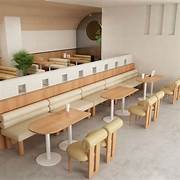
Furniture is one of the most important elements in a restaurant interior because it influences customer comfort, visual appeal, seating capacity, and the overall dining experience. Unlike standard furniture, customized pieces can be designed according to a restaurant’s layout, theme, branding, and operational requirements. Custom Restaurant Furniture Manufacturers help businesses create tables, chairs, booths, counters, stools, and other furniture that combine aesthetics with practical performance.
When selecting Home Furniture, factors such as material quality, construction, finish, and functionality are important, and many of the same principles apply to commercial furniture. However, restaurant furniture must also withstand frequent use, regular cleaning, spills, movement, and high customer traffic. Commercial manufacturers therefore focus on materials and construction methods suited to demanding hospitality environments.
Customized Furniture for Different Restaurant Concepts
Every restaurant has its own identity. A premium fine-dining establishment may require sophisticated upholstered seating and elegant wooden tables, while a casual café may benefit from compact furniture with contemporary finishes. Fast-food outlets, rooftop restaurants, lounges, and themed restaurants also have different requirements.
Custom manufacturing allows businesses to develop furniture that complements their concept. Dimensions, shapes, colours, upholstery, materials, and finishes can be selected according to the restaurant’s design direction. This creates a more cohesive environment where the furniture becomes part of the overall brand experience.
Efficient Use of Restaurant Space
Space planning is particularly important in restaurants because the layout needs to accommodate customers while maintaining comfortable circulation for staff. Standard-sized furniture may leave inefficient gaps or fail to fit properly into unusual spaces.
Customized tables, booths, benches, and banquette seating can be produced according to the available floor area. This allows restaurant owners and interior designers to create seating arrangements that make better use of corners, walls, narrow sections, and other challenging areas. Custom furniture manufacturers can also develop pieces according to specific floor plans and seating targets.
Selecting Durable Materials
Material selection has a major influence on restaurant furniture performance. Depending on the design and application, manufacturers may use solid wood, plywood, metal, engineered boards, laminates, upholstery, stone, or combinations of different materials.
For high-traffic areas, strong frames and easy-to-maintain surfaces can be particularly useful. Metal frames can provide structural strength, while suitable laminate or other durable tabletop surfaces can simplify maintenance. For upholstered furniture, commercial-grade fabrics, vinyl, or other performance materials can be selected according to the expected usage.
The ideal material depends on factors such as restaurant traffic, cleaning routines, indoor or outdoor exposure, design requirements, and budget.
Comfortable Seating for Better Customer Experience
Restaurant furniture should be attractive, but comfort should remain a priority. Customers may spend considerable time seated, particularly in fine-dining restaurants, cafés, lounges, and family restaurants.
Manufacturers can customize seat height, back support, cushioning, upholstery, and proportions to create more comfortable seating. Chairs, benches, booths, sofas, and bar stools can all be designed according to the restaurant’s intended use.
Comfortable furniture can contribute to a more pleasant dining environment while maintaining the desired visual character of the interior.
Furniture That Supports Brand Identity
A restaurant’s furniture can reinforce its brand personality. Wood finishes can create a warm and natural atmosphere, while metal and darker finishes can support an industrial or contemporary concept. Upholstery colours and textures can also be selected to coordinate with walls, lighting, flooring, and decorative elements.
With custom manufacturing, businesses can incorporate distinctive design details, branded elements, custom colours, and unique furniture shapes. This is particularly valuable for restaurants that want their interiors to create a memorable impression.
Furniture for Indoor and Outdoor Areas
Restaurants with patios, terraces, gardens, or rooftop dining areas require furniture that is appropriate for environmental exposure. Outdoor pieces need to consider sunlight, moisture, temperature changes, and regular cleaning.
Manufacturers can provide outdoor furniture using materials and finishes selected for the specific environment. Powder-coated metals, treated wood, suitable upholstery, and weather-resistant materials can be considered depending on the project’s requirements.
Benefits of Working With Custom Manufacturers
Working directly with Custom Restaurant Furniture Manufacturers can provide greater control over furniture specifications. Businesses can coordinate dimensions, materials, finishes, upholstery, and quantities according to their project.
This can also be useful for restaurants with multiple outlets. Consistent furniture specifications can help maintain the same visual identity across different locations. Manufacturers with bulk production capabilities can produce coordinated furniture batches while maintaining consistent dimensions and finishes.
Importance of Quality Manufacturing
Restaurant furniture needs to withstand repeated daily use, so manufacturing quality is just as important as design. Proper joinery, strong frames, accurate dimensions, reliable hardware, suitable finishes, and careful quality inspection all contribute to furniture performance.
A well-planned manufacturing process can also improve consistency when multiple tables, chairs, booths, or counters are required for a single project. Reviewing prototypes, material samples, and finish samples before mass production can help ensure that the final products meet the intended specifications.
Choosing the Right Manufacturer
Before selecting a manufacturer, restaurant owners should evaluate customization capabilities, material choices, manufacturing facilities, finishing quality, commercial furniture experience, production capacity, installation support, and previous hospitality projects.
Clear drawings and specifications should be finalized before production begins. Discussing furniture dimensions, materials, upholstery, finishes, quantities, and delivery requirements in advance can help reduce errors and create a smoother project.
Conclusion
Custom Restaurant Furniture Manufacturers provide businesses with the flexibility to create furniture that fits their space, brand identity, customer requirements, and operational needs. From dining tables and chairs to booths, counters, bar stools, and outdoor seating, customized solutions can combine visual appeal with commercial durability.
By choosing suitable materials, prioritizing comfort, and working with experienced manufacturers, restaurants can create interiors that are functional, distinctive, and welcoming. Well-designed custom furniture can become an important part of the restaurant experience while supporting efficient space utilization and long-term commercial performance.