
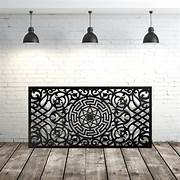
Decorative panels have become an effective way to add texture, depth, character, and visual interest to interior spaces. They can transform plain walls into attractive feature surfaces while complementing furniture, lighting, flooring, and architectural details. Decorative Panels Manufacturers provide a wide range of customized solutions for residential, commercial, hospitality, retail, and office interiors, helping designers create spaces that are both functional and visually distinctive.
Material selection plays an important role when choosing decorative surfaces, just as it does with Modular Kitchen Cabinets. Different panel materials offer different appearances, durability levels, moisture resistance, maintenance requirements, and finishing possibilities. Modern decorative panels can be manufactured from materials such as MDF, PVC, WPC, acrylic, veneer, and other engineered surfaces, allowing manufacturers to develop solutions for different interior applications.
Enhancing Plain Walls
One of the most common applications of decorative panels is creating feature walls. A carefully designed panel can introduce patterns, grooves, textures, geometric forms, or wood-inspired finishes without requiring extensive structural changes.
Living rooms, bedrooms, reception areas, restaurants, hotels, offices, and retail stores can all benefit from decorative wall treatments. Panels can be used behind televisions, beds, reception desks, dining areas, counters, or display zones to create a visual focal point.
Wide Range of Materials
Decorative panels are available in different materials to suit specific design and performance requirements. MDF is commonly used for carved, CNC-cut, fluted, and three-dimensional designs. PVC and WPC panels can be useful in applications where moisture resistance is important, while veneer panels can provide a natural wood appearance.
Acrylic surfaces can create a contemporary high-gloss appearance, while other engineered materials can offer stone, metallic, textured, or patterned effects. The availability of different materials allows designers to select panels according to both aesthetics and environmental conditions.
Custom Designs and Dimensions
One of the major advantages of working with professional manufacturers is customization. Decorative panels can be produced in specific dimensions, profiles, patterns, and finishes according to project requirements.
Custom manufacturing is particularly useful when a wall has unusual dimensions or when the interior design requires a specific pattern. CNC technology can also be used to create detailed patterns and precisely cut decorative elements. Some manufacturers offer custom designs based on drawings or client-provided concepts.
Suitable for Residential Interiors
Decorative panels can add sophistication to residential spaces without making them feel overly complicated. In living rooms, fluted or textured panels can enhance TV walls, while bedrooms can use decorative surfaces behind headboards.
Dining rooms, home offices, entryways, and entertainment areas can also incorporate panels as accent features. By coordinating the panel finish with furniture and other interior elements, homeowners can create a consistent design language throughout the space.
Applications in Commercial Spaces
Commercial interiors often require stronger visual branding and carefully planned finishes. Decorative panels can be used in offices, hotels, restaurants, retail stores, salons, clinics, and reception areas.
In commercial environments, panels can help define different zones while adding visual identity. For example, textured panels can highlight a reception desk, while patterned surfaces can be used behind product displays or restaurant seating areas.
Improving Interior Aesthetics
Decorative panels can introduce visual depth that conventional painted surfaces may not provide. Fluted profiles create shadows and linear patterns, while three-dimensional panels can create a more dramatic appearance.
Woodgrain, stone-look, metallic, matte, gloss, and textured finishes can be selected according to the desired design style. This flexibility allows decorative surfaces to complement both minimalist and more elaborate interiors.
Considering Durability and Maintenance
Appearance should not be the only consideration when selecting decorative panels. The intended environment, cleaning requirements, moisture exposure, and expected usage should also influence the choice.
For areas exposed to moisture, suitable PVC or WPC products may be considered. High-traffic commercial areas may require durable surfaces that can withstand regular cleaning and everyday contact. Manufacturers can recommend materials and finishes according to the application’s specific requirements.
Professional Manufacturing Quality
The quality of decorative panels depends on material selection, machining accuracy, surface preparation, finishing, and installation. Consistent dimensions are especially important when multiple panels are installed together because even small variations can affect alignment.
Manufacturers using controlled production processes and precision machinery can achieve more consistent results across larger projects. Quality inspection can also help identify issues with dimensions, edges, surface finish, and colour consistency before products reach the installation stage.
Choosing the Right Decorative Panel Manufacturer
When selecting Decorative Panels Manufacturers, businesses and homeowners should consider material options, customization capabilities, manufacturing technology, finish quality, project experience, installation support, and production capacity.
It is also useful to request samples before finalizing the material. Comparing textures, colours, thicknesses, and finishes under the actual interior lighting can help ensure that the selected panels achieve the desired appearance.
Conclusion
Decorative Panels Manufacturers provide versatile solutions for transforming ordinary surfaces into attractive and distinctive interior features. With options including MDF, PVC, WPC, veneer, acrylic, and other materials, decorative panels can be customized for different design concepts and functional requirements.
From residential feature walls to commercial reception areas, restaurants, hotels, offices, and retail spaces, these panels can combine visual appeal with practical performance. By selecting the right material, finish, pattern, and manufacturer, designers and property owners can create interiors that feel more refined, coordinated, and contemporary.