
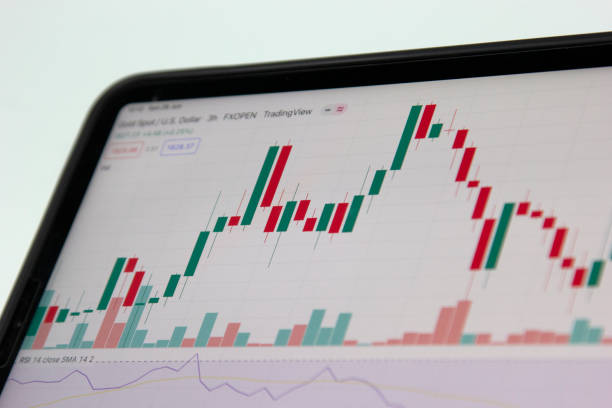
Choosing a broker is an important part of creating a suitable trading setup. While a trading platform provides the tools needed to analyze markets and place orders, the broker determines many practical aspects of how those tools are accessed and used.
Traders should therefore look beyond the platform interface when comparing different providers. Factors such as regulation, account conditions, execution quality, available markets, customer support, and overall platform compatibility can affect the trading experience.
Understanding these areas can help traders make a more informed comparison without focusing only on promotional offers or platform features.
What Should You Check Before Choosing a Broker?
The first step is to understand whether the broker is compatible with the platform you intend to use. Broker compatibility can vary because not every provider supports the same trading software, account types, or operating systems.
A broker should also provide clear information about its services, account conditions, supported instruments, and trading arrangements. Reviewing these details before opening an account can help avoid compatibility issues later.
When researching MT4 brokers, traders may also want to check whether the platform version is fully supported and whether the broker provides access to the features they actually need.
Why Is Platform Support Important?
Platform support goes beyond simply allowing traders to download an application. Proper platform support may include account integration, technical assistance, platform updates, educational resources, and help with common technical issues.
Traders should understand whether the broker supports desktop, web, or mobile access where applicable. It is also useful to check whether account information and trading activity can be accessed consistently across supported devices.
An mt5 broker may provide access to MetaTrader 5 along with different market and order-management features. However, the suitability of a platform depends on the trader’s requirements rather than the platform name alone.
How Does Execution Quality Matter?
Execution quality refers to how efficiently trading orders are processed. Traders may consider factors such as order handling, execution speed, slippage, and the way different order types are supported.
The actual trading environment can vary depending on market conditions, liquidity, technology, and the broker’s execution model. Therefore, traders should read the broker’s documentation carefully rather than assuming that all providers operate in exactly the same way.
Execution quality is particularly relevant for traders who frequently monitor changing market conditions. Understanding how orders are handled can provide useful context when comparing different providers.
What Should You Know About Spreads and Commissions?
Trading costs are another important consideration. Spreads represent the difference between buying and selling prices, while commissions may be charged separately depending on the account structure.
Different brokers can use different pricing models. Some accounts may emphasize lower spreads with separate commissions, while others may incorporate costs differently.
Traders should examine the complete fee structure rather than looking at one advertised cost. Spreads and commissions can affect the overall cost of trading, so understanding when and how these charges apply is useful before selecting an account.
Which Trading Instruments Are Available?
The range of trading instruments available through a broker can vary considerably. Depending on the provider, traders may find access to currencies, indices, commodities, shares, cryptocurrencies, or other financial markets.
However, having a large selection does not automatically make a broker suitable for every trader. The more important question is whether the available trading instruments match the individual’s intended market exposure and trading approach.
It is also worth checking the contract specifications, trading hours, margin requirements, and other conditions associated with each instrument.
How Can You Compare MT4 and MT5 Support?
Both platforms are widely associated with electronic trading, but they can differ in their features, supported markets, analytical tools, and overall trading environment.
When comparing MT4 brokers, traders may focus on compatibility, available instruments, platform stability, and the tools they regularly use.
An mt5 broker may offer a different combination of market access and platform features. Traders should therefore identify their own requirements before deciding which platform environment is more appropriate.
The decision should be based on practical needs rather than simply choosing the newer or more familiar option.
Why Should Regulation and Transparency Be Considered?
Regulation and transparency are important when evaluating any financial service provider. Traders should research the broker’s regulatory status, registered entity, client agreements, risk disclosures, and other publicly available information.
A broker should clearly explain its account conditions, fees, trading arrangements, and relevant policies. Reviewing this information can help traders understand what services are actually being offered.
Transparency is also important when considering execution quality, because traders should be able to understand how orders are handled and what conditions may affect execution.
What Role Does Customer Support Play?
Reliable platform support can be useful when technical or account-related questions arise. Traders may want to check which communication channels are available and whether assistance is provided during relevant trading hours.
Good customer support should make important information easy to access and provide clear explanations rather than relying only on automated responses.
Support is particularly useful when traders encounter problems related to account access, platform connectivity, order management, or software configuration.
How Should You Compare Different Brokers?
A structured comparison can make the research process easier. Traders can create a checklist covering broker compatibility, regulation, platform support, spreads, commissions, available trading instruments, execution arrangements, and customer service.
It can also be useful to review account types and the conditions attached to each one. A broker that appears suitable based on one feature may have different conditions in other areas.
When comparing MT5 brokers, for example, traders should examine the complete service rather than considering platform access alone.
The same approach applies when evaluating an mt5 broker or a provider supporting another trading platform. Reading official documentation and understanding the terms before opening an account is an important part of the process.
Frequently Asked Questions
What is a MetaTrader broker?
A MetaTrader broker is a financial service provider that gives clients access to trading accounts through a MetaTrader platform. The services, instruments, fees, and account conditions can differ between providers.
What should I compare between brokers?
Important areas include regulation, broker compatibility, platform support, execution quality, spreads, commissions, trading instruments, account conditions, and customer service.
Are all MT4 brokers the same?
No. MT4 brokers can differ in pricing structures, available markets, execution arrangements, account types, and other conditions. Traders should review each provider individually.
Does an MT5 broker offer the same services as every other broker?
No. An mt5 broker may provide different instruments, account structures, pricing models, and support arrangements. Platform availability alone does not determine the complete service.
Why are spreads and commissions important?
Spreads and commissions are part of the potential cost of trading. Understanding how these charges work can help traders compare account structures more accurately.
Conclusion
Evaluating a broker requires looking at the complete trading environment rather than focusing on a single platform feature. Regulation, transparency, execution arrangements, pricing, available markets, technical assistance, and account conditions can all contribute to the overall experience.
Traders should take time to review official information, understand the applicable terms, and consider their own requirements before opening an account. Careful research can help create a clearer basis for comparing available options.
CTA
Before choosing a trading provider, review its regulatory information, platform compatibility, pricing structure, available markets, execution arrangements, and support options. Making a checklist of these factors can help you conduct a more structured and informed comparison.