
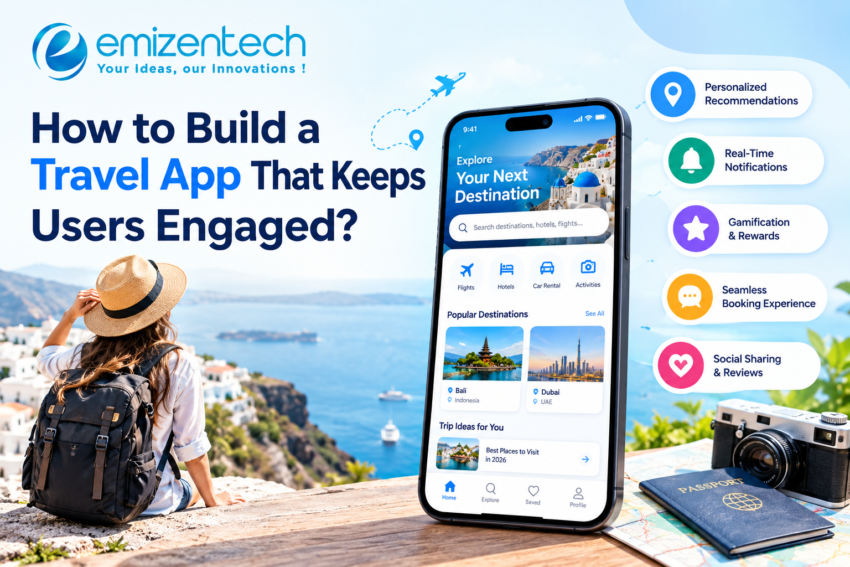
Downloading a travel app is easy. Getting someone to open it again after their trip is booked is the hard part. Most travel apps see a sharp drop in usage within the first few weeks, as users either find what they need and move on, or lose interest because the app didn’t hold their attention. Building an app that people actually keep using requires more than a good idea; it requires understanding what makes travelers stick around in the first place.
Why Do Travel Apps Struggle to Retain Users?
Travel is not a daily activity for most people, which already makes retention harder compared to apps like social media or food delivery. On top of that, many travel apps fail because they focus too heavily on the booking process and forget about everything that happens before and after. Once a trip is booked, there’s often little reason left for the user to open the app again. Poor personalization, generic notifications, and clunky interfaces only add to the problem, pushing users toward simpler alternatives.
Know Your Traveler: Research Before You Build
Before adding a single feature, it helps to understand who the app is actually for. A solo backpacker has very different needs compared to a family planning a vacation or a business traveler managing frequent trips. Research into user behavior, how people search for destinations, what frustrates them during booking, and what they expect during the trip itself should shape the app’s core structure. This is often where a travel app development company brings the most value, translating raw user research into practical features rather than guesswork. Skipping this step often leads to apps that look polished but don’t solve real problems.
Features That Actually Keep Users Coming Back
Certain features tend to have a direct impact on whether users return to an app after their first use.
Personalized Recommendations
Suggesting destinations, activities, or deals based on past searches and preferences makes the app feel relevant rather than generic.
Real-Time Alerts & Notifications
Flight delays, gate changes, weather updates, or local events keep users checking the app throughout their trip, not just before it.
Itinerary Management
A single place to view bookings, schedules, and travel documents reduces the need for users to juggle multiple apps or emails.
Reviews & Social Sharing
Allowing users to read and leave reviews, or share their trip experiences, builds a sense of community and gives people a reason to return even after their travel dates have passed.
These features work best when they’re built around actual user needs rather than added just because competitors have them.
How AI Personalization Improves Engagement?
Artificial intelligence has made personalization far more practical than it used to be. Instead of showing every user the same list of popular destinations, AI can analyze past behavior, searches, bookings, and time spent on certain pages to surface suggestions that are more likely to be relevant. For instance, a user who frequently searches for budget stays and street food guides is probably not the right audience for luxury resort recommendations. This kind of tailored experience, even when subtle, tends to keep users more engaged than static, one-size-fits-all content.
Using Gamification to Boost Retention
Gamification isn’t about turning a travel app into a game; it’s about adding small incentives that encourage continued use. Loyalty points for bookings, badges for visiting certain destinations, or milestones for completing a set number of trips can motivate users to return. Airlines and hotel chains have used loyalty programs for decades, and the same psychology applies well within an app format. The key is keeping these elements simple and meaningful rather than overwhelming users with unnecessary game-like mechanics.
Why a Smooth Booking Experience Matters?
No matter how many engaging features an app has, a frustrating booking process will undo most of that goodwill. Long forms, unclear pricing, or unexpected steps during checkout are common reasons users abandon bookings altogether. A smooth experience means minimal steps, transparent pricing, multiple payment options, and clear confirmation at every stage. This is one of the most functional aspects of the app, but it’s also one of the most closely tied to whether users trust the app enough to return.
Getting Push Notifications Right (Without Annoying Users)
Push notifications can either strengthen engagement or destroy it, depending on how they’re used. Alerts about a price drop on a saved destination or a reminder about an upcoming flight tend to be welcomed. On the other hand, frequent generic promotions or irrelevant offers often lead users to disable notifications entirely, or worse, uninstall the app. Timing and relevance matter more than frequency. A well-placed notification at the right moment does more than ten random ones sent throughout the week.
Offline Functionality: Why It’s Non-Negotiable for Travel Apps
Travelers frequently find themselves in areas with poor or no internet connectivity, whether it’s during a flight, in a remote location, or while roaming abroad. An app that becomes completely unusable without a connection loses value exactly when users need it most. Offline access to maps, itineraries, and booking confirmations ensures the app remains functional in these situations, which directly affects how much users trust and rely on it during actual travel.
Using User Feedback to Improve Post-Launch
Launching the app is just the starting point. User behavior after launch- what features get used, where people drop off, and what complaints come up in reviews provides far more insight than assumptions made during planning. Regularly updating the app based on this feedback, whether it’s fixing a confusing navigation flow or adding a requested feature, shows users that the app is actively maintained. Apps that go long periods without updates often feel abandoned, even if they technically still work.
Mistakes That Kill User Engagement
A few recurring mistakes tend to hurt engagement across many travel apps:
- Overloading the app with unnecessary features that clutter the interface
- Poor user experience, such as confusing navigation or slow load times
- Ignoring analytics and user behavior data when planning updates
- Sending irrelevant or excessive notifications
- Failing to test the app across different devices and network conditions
Avoiding these issues isn’t about adding more; it’s often about removing friction and staying focused on what actually helps the user.
Conclusion
Building a travel app that keeps users engaged requires more than a functional booking system; it means understanding traveler behavior, offering real value before and after a trip, and continuously improving based on actual usage. Businesses exploring travel app development company options, or looking into broader travel app development services and travel mobile app development, will find that long-term engagement comes from thoughtful design choices rather than adding every possible feature. EmizenTech focuses on developing travel solutions around what genuinely improves the traveler’s experience, rather than simply following every new technology trend.
FAQs
How long does it typically take to build a travel app?
This depends on the complexity of features, but a basic version can take a few months, while a fully-featured app with AI personalization and multiple integrations can take longer.
Do travel apps need AI to be successful?
Not necessarily, but AI-driven personalization has become a common expectation among users, especially for recommendations and search relevance.
What’s the biggest reason travel apps lose users?
Often it comes down to the app feeling useful only during the booking phase, with little reason to return afterward.
Should a travel app work offline?
Yes, at least for essential features like itineraries and maps, since travelers frequently face limited connectivity.