

A swimming pool can become one of the most enjoyable features of an outdoor space, but its usefulness is not limited to hot, sunny afternoons. With suitable lighting and heating solutions, homeowners can make their pool more comfortable, functional, and inviting during different times of the day and across changing weather conditions.
Pool lighting improves visibility and adds atmosphere after sunset, while a pool heating system can make the water more comfortable when temperatures begin to fall. Together, these features can help create a swimming environment that is practical for everyday use and enjoyable for outdoor gatherings.
The Role of Pool Lighting
Pool lighting has both functional and visual benefits. During daylight hours, natural sunlight may provide sufficient visibility, but after dark, properly installed lighting becomes an important part of the pool environment.
Strategically positioned lights can illuminate swimming areas, steps, edges, and other sections of the pool. This can make it easier to navigate the pool area during evening use while contributing to a more welcoming outdoor setting.
Lighting can also highlight features such as water movement, landscaping, pool walls, and surrounding outdoor areas. A carefully planned lighting arrangement can complement the overall design without overwhelming the space.
Choosing the Right Pool Lighting
Different pools have different lighting requirements. The size and shape of the pool, surface design, surrounding landscape, and intended use can all influence the choice and placement of lights.
Some homeowners prefer subtle illumination that creates a calm atmosphere, while others may want brighter lighting for regular nighttime swimming. Modern pool lighting systems can also offer different settings and controls, allowing users to adjust the atmosphere according to their needs.
Professional planning is useful because poorly positioned lights can create glare, uneven illumination, or areas that remain difficult to see.
Professional Pool Lighting Installation
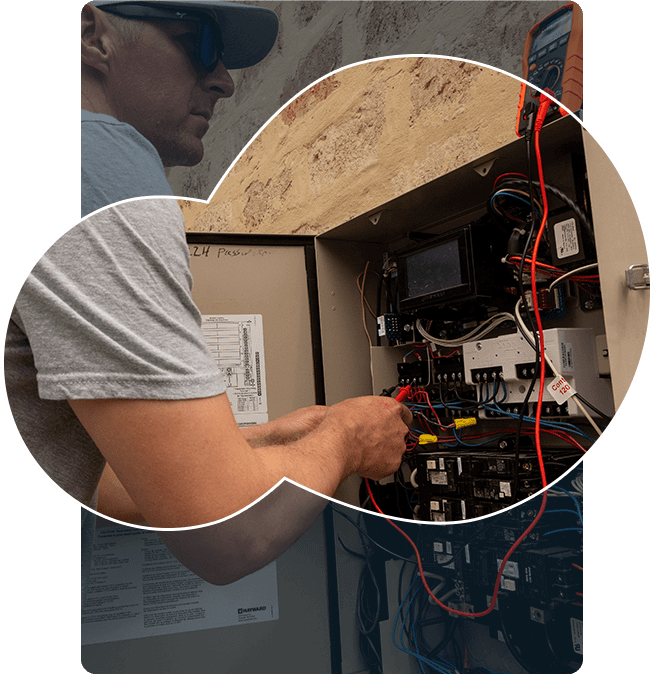
Pool lighting installation requires careful attention because electrical systems must operate safely in an environment where water is present. Appropriate equipment, wiring, connections, and installation practices are essential.
A professional can evaluate the pool and determine suitable locations for lighting fixtures. They can also consider the existing electrical system and ensure the installation is compatible with the pool’s overall setup.
Professional installation can help reduce avoidable problems and provide a more reliable lighting system for long-term use.
Understanding Pool Lighting Repairs
Pool lights can eventually experience issues due to normal wear, damaged components, electrical problems, or other equipment failures. Signs of a problem may include lights that do not turn on, flickering, reduced brightness, or inconsistent operation.
Instead of repeatedly replacing individual components without identifying the underlying cause, homeowners can have the lighting system inspected. Professional repair services can help determine whether a component can be repaired or whether replacement is more appropriate.
Addressing lighting problems promptly can also help prevent a minor issue from developing into a larger equipment concern.
Why Pool Heating Matters
Pool water can become uncomfortable when outdoor temperatures drop. This can limit swimming to warmer periods and reduce the amount of time a pool can be enjoyed.
A pool heating system provides greater control over water temperature. Depending on the system and conditions, heating can help create a more comfortable swimming environment during cooler mornings, evenings, or seasonal changes.
For households that use their pool frequently, heating can provide greater flexibility and make the pool a more practical part of the outdoor living area.
Selecting a Suitable Pool Heater
There is no single heating solution that works for every swimming pool. The appropriate system can depend on pool size, local climate, desired water temperature, frequency of use, existing equipment, and operating considerations.
A professional assessment can help determine the heating requirements of the pool. Proper sizing is particularly important because an unsuitable heater may not provide the desired performance or may operate less efficiently than expected.
Considering the pool’s circulation system and existing equipment before installation can also help ensure compatibility.
Professional Pool Heater Installation
Installing a pool heater involves connecting the heating equipment to the pool’s circulation system and, depending on the heater type, may involve electrical or gas connections.
Professional installation helps ensure that the equipment is installed according to applicable safety requirements and is properly integrated with the existing pool system.
A professional can also check water flow, connections, controls, and other relevant components before putting the system into regular operation.
Pool Heater Repair and Maintenance
Like other mechanical equipment, pool heaters require attention when problems develop. A heater may fail to warm the water, shut down unexpectedly, produce unusual sounds, or display warning indicators.
Possible causes can include problems with sensors, controls, water flow, electrical components, or other internal parts. Professional inspection can help identify the source of the issue and determine the appropriate repair.
Routine maintenance can also help keep the system operating consistently and may allow developing problems to be identified earlier.
Combining Lighting and Heating
Lighting and heating address different aspects of pool comfort, but they can work together to improve the overall swimming experience. Heating helps maintain comfortable water temperatures, while lighting makes the pool more usable after sunset.
For homeowners who enjoy evening swimming or outdoor entertaining, combining both features can make the pool area more versatile. Thoughtful lighting can complement the backyard design while heating can extend comfortable pool use beyond the warmest part of the day.
Creating a More Enjoyable Outdoor Space
A pool is often connected to other outdoor features such as patios, seating areas, landscaping, and entertainment spaces. Lighting and heating can help integrate the pool into this larger environment.
Well-planned lighting can create visual continuity between the pool and surrounding areas, while heating can make swimming more comfortable during cooler periods. Regular maintenance of both systems is important to preserve their performance and reliability.
Conclusion
Creating a comfortable and attractive pool environment involves more than maintaining clean water. Proper lighting can improve nighttime visibility and enhance the appearance of the pool, while a suitable heating system can make swimming more comfortable when temperatures are cooler.
From professional installation to timely repairs and ongoing maintenance, careful attention to pool lighting and heating can help homeowners get more value and enjoyment from their outdoor swimming space. With the right solutions, a pool can become a more functional and inviting area for swimming, relaxation, and outdoor gatherings throughout the year.