

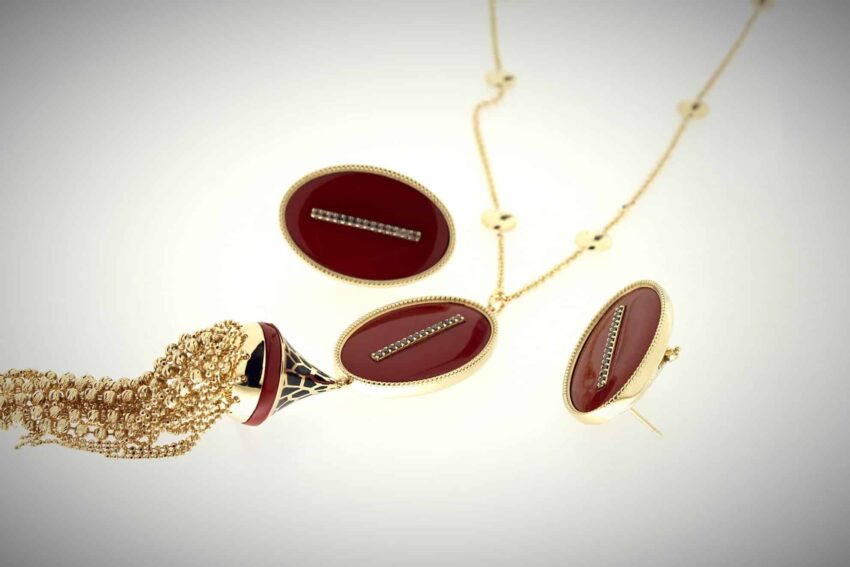
Gold has long been valued for its beauty, durability, and financial importance. In Nigeria, gold is purchased for jewellery, personal savings, gifting, trading, and other purposes. However, understanding the actual price of gold requires more than simply checking a quoted amount per gram.
The Gold cost in Nigeria can change according to international gold prices, the Nigerian naira exchange rate, purity, weight, workmanship, dealer margins, and local market conditions. International gold prices have also remained highly active in 2026, with recent market movements showing how quickly the global benchmark can change.
For buyers working with Goldy, understanding these factors can make it easier to compare quotations, evaluate gold products, and make informed purchasing decisions.
Understanding Gold Cost in Nigeria
The Gold cost in Nigeria is not a single fixed amount. Gold is traded internationally, usually with the global benchmark quoted in US dollars per troy ounce. For Nigerian buyers, that international value is converted into Nigerian naira and then adjusted according to purity, weight, product type, and other applicable costs.
For example, the reference metal value of 24K gold is different from the value of 22K or 18K gold because each contains a different proportion of pure gold. A current reference price source lists 24K, 22K, and 18K gold separately and notes that its figures represent underlying metal values rather than guaranteed retail prices.
This distinction is important because the price displayed by a seller may include factors beyond the raw gold value.
What Determines Gold Cost in Nigeria?
Several factors can influence the amount a Nigerian buyer pays for gold. Understanding each one helps buyers compare prices more accurately.
International Gold Prices
The global gold market is one of the main influences on local prices. When international gold prices rise, the underlying value of gold in Nigeria can also increase.
Global gold prices can respond to interest rates, currency movements, inflation expectations, geopolitical developments, central-bank demand, and investor activity. Recent market reports have shown that gold can experience substantial movements over short periods.
Therefore, buyers should consider the date and time of a quotation rather than assuming that a price will remain unchanged.
Nigerian Naira Exchange Rate
The exchange rate is particularly important when understanding the Gold cost in Nigeria. Since the international benchmark is generally denominated in US dollars, changes in the dollar-to-naira exchange rate can affect the local naira price even when the international gold price changes very little.
This means that Nigerian buyers can sometimes see gold prices rise because of currency movements rather than because of a similar percentage increase in the international gold price.
Gold Purity
Purity is another major factor. Gold is commonly identified by karat levels such as 24K, 22K, 18K, and other grades.
24K represents very high-purity gold, while 22K contains approximately 91.7% gold and 18K contains approximately 75% gold. Consequently, two pieces with the same weight can have different underlying gold values when their karat levels differ.
Before purchasing, buyers should always confirm the stated purity and understand whether the quoted price is based on pure-gold content or the finished product.
Gold Value in Nigeria and Why It Matters
Understanding Gold value in Nigeria is essential for anyone who wants to assess whether a gold product is fairly priced.
Gold value can be considered at several levels. The first is the value of the actual gold content. The second is the value of the finished item, which can include design, workmanship, finishing, certification, logistics, and seller margins.
For instance, a simple gold bar and a detailed piece of jewellery may contain a similar amount of gold but have different final prices. Jewellery can include additional production and design costs that do not directly represent the underlying metal value.
This is why buyers should distinguish between metal value and retail purchase price.
How Gold Purity Changes the Price
Purity has a direct relationship with the amount of pure gold contained in a product.
Consider the following general comparison:
- 24K: approximately 99.9% or higher purity depending on the product specification
- 22K: approximately 91.7% gold
- 18K: approximately 75% gold
- 14K: approximately 58.3% gold
The exact specifications should always be confirmed through appropriate testing or documentation.
When calculating the underlying metal value, a higher-karat product generally contains more pure gold per gram. This is why buyers should never compare two gold products based only on weight without checking their purity.
How Gold Price Per Gram Is Calculated
Gold is frequently discussed on a per-gram basis in local markets, while international markets commonly quote gold per troy ounce.
A simplified calculation involves converting the international gold price into a local currency value and then converting the troy-ounce measurement into grams. After that, the purity percentage is considered.
For example, if a 24K reference value is available, an approximate underlying value for 18K gold can be calculated by applying the 18/24 purity ratio.
However, an actual jewellery quotation can be different because the final price may include workmanship, design, dealer margins, transportation, taxes, certification, or other applicable charges.
Weight and Its Effect on Gold Cost
Weight is one of the simplest factors affecting the Gold cost in Nigeria.
A heavier item contains more gold when the purity is the same. For example, a 20-gram 22K piece will generally have a higher underlying gold content than a 10-gram 22K piece.
However, buyers should also ask whether the stated weight represents the total weight of the product or only the gold portion. Jewellery may contain stones, clasps, decorative components, or other materials.
For this reason, accurate weighing and clear product information are important when comparing different quotations.
Gold Jewellery Prices Versus Gold Metal Value
Gold jewellery is not priced solely according to the current value of the metal.
The final price can include:
- Gold content
- Purity
- Product weight
- Design complexity
- Craftsmanship
- Finishing
- Certification or testing
- Transportation and logistics
- Dealer margin
- Applicable taxes or charges
Imported jewellery can also carry additional supply-chain costs. These may include shipping, customs-related expenses, and other import costs.
Therefore, the final amount paid for a finished jewellery item should not automatically be treated as the same thing as its raw gold value.
How to Understand Gold Value in Nigeria Before Buying
Before making a purchase, buyers can use a simple evaluation process.
First, confirm the purity. Ask whether the product is 24K, 22K, 18K, or another grade.
Second, confirm the net gold weight. This helps establish how much gold is actually present.
Third, check the current reference price. Because gold prices can change, the quotation date matters.
Fourth, understand the additional charges. Ask whether the quoted amount includes workmanship, certification, delivery, taxes, or dealer margins.
Finally, compare products on a like-for-like basis. Comparing a 22K jewellery item with a 24K gold bar without adjusting for purity and additional costs can produce a misleading conclusion.
Why Gold Prices Can Change Quickly
Gold markets can move because of changes in global economic conditions. Interest-rate expectations, currency movements, geopolitical developments, investor demand, and central-bank activity can all affect the international market.
For Nigerian buyers, these movements can be amplified or reduced by changes in the naira exchange rate.
Recent 2026 market data demonstrates the importance of checking current prices rather than relying on an old quotation. For example, international gold prices experienced a significant decline in late September before recovering some ground, illustrating how quickly market conditions can change.
Gold Buying for Jewellery
For jewellery buyers, appearance is naturally important, but the financial side of the purchase should also be understood.
When purchasing a ring, necklace, bracelet, earrings, or another gold item, consider:
- Karat or purity
- Total weight
- Gold content
- Design and craftsmanship
- Making charges
- Certification or testing
- Seller terms
- Current market quotation
A detailed design may cost more than a simple design with the same gold weight because additional craftsmanship is involved.
Understanding Gold value in Nigeria therefore helps jewellery buyers separate the value of the metal from the value added through design and production.
Gold Buying for Investment or Savings
Some buyers consider gold as part of their broader savings or wealth-management strategy. Gold bars and other high-purity products may be evaluated differently from jewellery because their pricing can be more closely linked to the underlying metal value.
However, buyers should still consider the premium above the reference gold price, verification, storage, resale terms, and the difference between buying and selling prices.
Gold should not automatically be viewed as producing a guaranteed return. Its market price can move both upward and downward, and the amount received when selling can differ from the amount originally paid.
How Goldy Can Help Buyers Understand Gold Pricing
Goldy provides a reference point for buyers interested in the Nigerian gold market. When exploring gold products, customers can focus on important details such as purity, weight, product type, and the current market environment.
For buyers comparing the Gold cost in Nigeria, having clear information about what contributes to a quotation can make the purchasing process easier to understand.
Rather than focusing only on a single headline price, buyers can evaluate the complete product and determine how the quoted amount relates to its gold content and other associated costs.
Questions to Ask Before Buying Gold
A few straightforward questions can help buyers make a more informed purchase:
- What is the gold purity?
- What is the exact weight?
- Is the weight the net gold weight?
- What is the current reference gold price?
- Are making or workmanship charges included?
- Are there additional taxes or fees?
- Is the gold tested or certified?
- What are the seller’s terms for exchange or resale?
- Does the quoted amount apply to the current market date?
- Is the price being compared with another product of the same purity and weight?
These questions can make it easier to understand the difference between the underlying gold value and the final purchase price.
Common Mistakes Gold Buyers Should Avoid
One common mistake is comparing prices without checking purity. A lower-priced 18K item may contain considerably less pure gold than a higher-priced 22K item.
Another mistake is comparing different weights. A price for a 5-gram item cannot be directly compared with a price for a 15-gram item without calculating the relevant per-gram value.
Buyers should also avoid relying on outdated prices. Since international gold markets and exchange rates can change, an older quotation may no longer represent the current market.
Finally, buyers should not assume that the cheapest quotation automatically represents the best value. Product purity, verification, weight, craftsmanship, and transaction terms all matter.
Final Thoughts on Gold Cost in Nigeria
Understanding the Gold cost in Nigeria becomes much easier when buyers look beyond a single price figure. International gold prices, the naira exchange rate, purity, weight, craftsmanship, supply-chain expenses, and dealer margins can all influence the amount paid.
At the same time, understanding Gold value in Nigeria allows buyers to distinguish between the underlying value of the gold itself and the final retail price of a finished product.
For customers exploring gold through Goldy, checking purity, weight, current market conditions, and the complete pricing structure can provide a clearer basis for comparing products and making purchasing decisions. Since gold prices can change regularly, buyers should always confirm current quotations at the time of purchase.