

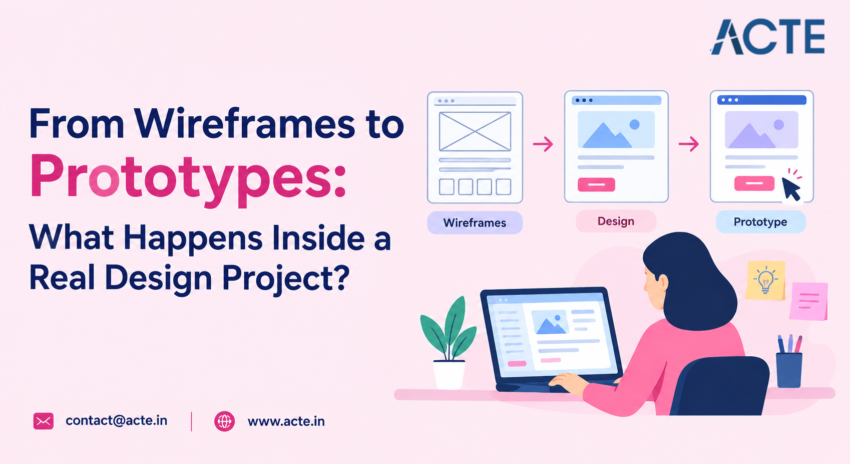
Creating a digital product involves much more than designing attractive screens. A professional UI/UX project follows a series of steps that help transform an idea into a practical user experience. Designers first understand the business problem and user expectations UI/UX Design Course in Chennai before moving into information architecture, wireframes, visual design, prototypes, and usability testing. Each stage helps reduce uncertainty and improve the final product.
Starting With the Project Brief
The first stage is usually a project briefing session. Designers learn about the product, target audience, business objectives, important features, and expected outcomes. They may also discuss deadlines, available resources, existing products, and technical limitations. Understanding these requirements helps designers avoid creating solutions that look good but do not address the actual project needs.
Exploring the User Perspective
Design decisions should be supported by an understanding of the people using the product. Designers may conduct interviews, surveys, usability research, competitor studies, and reviews of existing customer feedback. They look for common behaviors, expectations, frustrations, and goals. These insights can influence everything from navigation and content organization to the features included in the final experience.
Creating User Flows
Once the main requirements are understood, designers map the user’s journey through the product. A user flow shows the sequence of actions required to complete a particular task. For example, a shopping application may require a user to search for a product, review its details, add it to a cart, and complete checkout. Mapping these steps helps designers identify unnecessary complexity before creating detailed screens.
Designing the Wireframes
Wireframes are essentially the structural plans for the interface. They establish where key elements will appear and how different sections will be organized. At this stage, designers generally concentrate on layout and functionality instead of colors or decorative details. Wireframes make it easier to discuss ideas with stakeholders and quickly adjust the structure when requirements change.
Developing High-Fidelity Screens
After the wireframe structure is refined, designers add the visual details. Typography, colors, icons, imagery, spacing, buttons, cards, and other components are UI/UX Design Course in Bangalore introduced to create high-fidelity screens. Designers also consider responsive behavior and accessibility so the interface can provide a consistent experience across different devices and users.

Connecting Screens Into a Prototype
The next stage is transforming static screens into an interactive prototype. Designers link relevant screens and add interactions that simulate the product experience. Users UI/UX Design Course in Hyderabad can navigate between pages, select options, open menus, or perform other representative actions. A prototype allows stakeholders to experience the concept more realistically before development work begins.
Testing and Collecting Feedback
Designers then evaluate whether the prototype works as intended from a user’s perspective. During usability testing, participants may be given specific tasks while the design team observes their behavior. Difficult navigation, confusing terminology, missing information, or unnecessary actions can become visible during testing. The team can use this feedback to refine the design.
Collaborating During Development
After the design has been refined, it moves toward development. Designers prepare assets, component details, layouts, and interaction specifications for developers. Collaboration UI/UX Design Online Course remains important because some design ideas may need technical adjustments. Regular communication helps the team balance user experience, business requirements, and implementation possibilities.
Conclusion
A real design project is an iterative journey that gradually turns an idea into an interactive product experience. Research helps uncover user needs, user flows organize tasks, wireframes establish structure, and high-fidelity designs shape the interface. Prototypes then bring these ideas together for testing and refinement. Learning this complete process can help aspiring UI/UX designers understand how professional teams transform concepts into usable digital products.