

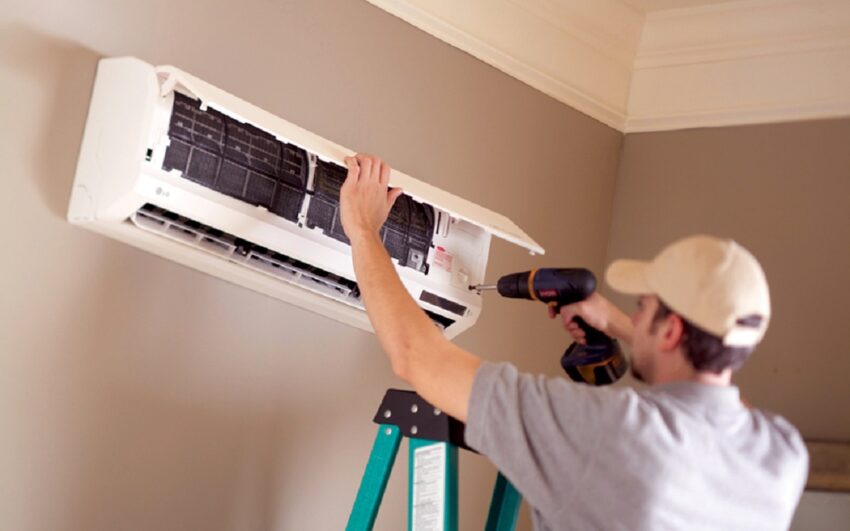
A dependable air conditioning system can make a major difference in home comfort during warm weather. For homeowners planning a new cooling system, replacing an aging unit, or building a more efficient setup, choosing the right equipment and installer matters just as much as the initial purchase. Professional AC Installation in St. Clair Shores, MI can help homeowners select a system that fits the property, works with the existing ductwork, and provides consistent indoor cooling.
A successful installation involves more than placing an outdoor condenser beside the house and connecting it to an indoor unit. System capacity, airflow, thermostat controls, electrical requirements, refrigerant connections, ductwork, and installation quality all play a role in how the finished system performs. Working with a qualified local HVAC provider gives homeowners an opportunity to address these details before the installation begins.
When Does a Home Need a New Air Conditioning System?
Not every cooling problem means an entire system needs to be replaced. However, there are situations where installing a new AC system can make more sense than continuing to repair an older unit.
Frequent service calls are one reason homeowners may start considering replacement. If an aging air conditioner repeatedly develops problems, repair costs and interruptions can become difficult to manage. A newer system may provide a more practical long-term option, depending on the condition of the existing equipment.
Homeowners may also consider a new installation when:
- The current air conditioner is nearing the end of its useful service life
- Cooling is inconsistent from room to room
- Energy use has increased without a major change in household habits
- The existing system no longer provides adequate cooling
- Major components require expensive repairs
- A home addition needs additional cooling capacity
- The property does not currently have a central AC system
A professional HVAC assessment can help determine whether replacement, repair, or another approach is appropriate for the home.
Choosing the Right AC System for the Property
An air conditioner should be selected based on the needs of the house rather than simply choosing the largest available system. A unit that is too large may cycle on and off more frequently, while one that is too small may struggle to maintain comfortable temperatures during periods of high demand.
Several factors can affect equipment selection, including:
- Home size
- Insulation
- Window placement
- Number of occupants
- Existing ductwork
- Home layout
- Sun exposure
- Airflow requirements
- Existing heating and cooling equipment
A professional installer can evaluate these conditions before recommending equipment. This helps create a system that is appropriate for the property’s actual cooling needs.
AC Installation in St. Clair Shores, MI: What the Project Should Include
A professional installation should be treated as a complete HVAC project rather than a simple equipment swap. During AC Installation in St. Clair Shores, MI, homeowners should expect the installer to evaluate the indoor and outdoor portions of the system together.
The outdoor condenser needs a suitable location with adequate clearance and access for future service. The indoor equipment must also be properly positioned and connected to the home’s existing HVAC setup.
Depending on the property, installation may involve:
- Removing outdated equipment
- Installing the new indoor cooling equipment
- Positioning the outdoor condenser
- Connecting refrigerant lines
- Checking electrical connections
- Connecting condensate drainage
- Evaluating ductwork
- Connecting thermostat controls
- Testing system operation
- Checking airflow and temperature performance
Addressing these components during installation helps establish a complete cooling system instead of focusing only on the visible equipment.
Cooling Capacity and Everyday Comfort
A properly sized system should be capable of handling the home’s cooling requirements without creating unnecessary cycling or excessive operating demand.
Comfort can also depend on how well cooled air moves throughout the property. A system may have sufficient capacity, yet certain rooms can remain warmer if airflow is restricted or ductwork has issues.
This is why professional installation should include consideration of the home’s overall airflow. The installer can look at how air moves from the equipment through the duct system and into individual rooms.
For homeowners, the goal is not simply to have cold air coming from a vent. The goal is consistent and manageable indoor comfort throughout the living space.
Energy Efficiency Should Be Part of the Conversation
Energy efficiency is another important consideration when selecting a new air conditioner. New equipment can have different efficiency ratings and operating characteristics, so homeowners should compare systems based on more than the purchase price.
A more efficient system may use less electricity under comparable operating conditions, although actual energy consumption depends on factors such as weather, thermostat settings, home insulation, equipment size, and usage patterns.
During the selection process, homeowners can ask contractors about:
- Efficiency ratings
- Expected operating requirements
- Available system options
- Appropriate equipment size
- Thermostat compatibility
- Maintenance requirements
- Manufacturer specifications
The goal is to select equipment that balances cooling needs, installation requirements, and ongoing operating considerations.
Existing Ductwork Can Affect the Installation
For homes with central air, the condition of existing ductwork should not be overlooked. Ducts distribute conditioned air throughout the home, so problems with airflow can affect the performance of a newly installed AC system.
Before installation, an HVAC professional may evaluate whether the existing duct system is appropriate for the new equipment. Restrictions, damaged sections, poor connections, or other airflow concerns can affect how effectively cooled air reaches different areas.
If ductwork needs attention, homeowners should discuss those requirements before the project begins. Addressing related HVAC components during installation can help prevent avoidable performance concerns later.
Thermostat and Control Options
The thermostat is another part of the cooling system that deserves attention during an AC installation. A new air conditioner should work properly with its control system and provide homeowners with practical ways to manage indoor temperatures.
Depending on the equipment and homeowner preferences, available control options can vary. Some homeowners may prefer a straightforward programmable thermostat, while others may want more advanced temperature scheduling and control features.
The important point is compatibility. Homeowners should confirm that the thermostat and new equipment are designed to work together before installation is completed.
Installation Quality Matters as Much as Equipment Selection
Even high-quality HVAC equipment needs proper installation to perform as intended. Incorrect connections, inadequate airflow, poor drainage, or other installation problems can affect system operation.
Professional workmanship should cover the entire installation process. The installer should follow manufacturer requirements and applicable installation practices while making sure the equipment is properly connected and tested.
A professional approach can also make future maintenance easier. Equipment that has been installed correctly gives technicians a clearer starting point when servicing the system later.
Questions to Ask Before Hiring an AC Installer
Homeowners do not need to be HVAC experts to compare local installation providers. A few practical questions can make the selection process easier.
Consider asking:
- How will you determine the appropriate AC capacity for my home?
- Will you inspect the existing ductwork?
- What equipment options are appropriate for this property?
- Is the existing thermostat compatible with the new system?
- What electrical or drainage requirements should I expect?
- What parts of the existing HVAC system will be reused?
- What does the installation process include?
- How will the system be tested after installation?
- What maintenance should be scheduled after installation?
- What information will I receive about operating the new equipment?
Clear answers can help homeowners compare providers based on the actual scope of work instead of choosing solely on the initial price.
Why Local HVAC Service Can Be Practical
Choosing a local HVAC company gives homeowners a convenient point of contact for both installation and future service. An air conditioner is not a one-time purchase; it becomes part of the home’s ongoing heating and cooling system.
A local provider can become familiar with the property’s equipment and service needs over time. This can be useful when the system eventually requires maintenance, troubleshooting, or component replacement.
For homeowners in St. Clair Shores, working with a company that provides heating, cooling, and plumbing services can also simplify home-service planning. Instead of searching for different contractors for every HVAC-related need, homeowners can establish a relationship with one local service provider.
Preparing the Home for a New AC Installation
A little preparation can make installation day easier. Homeowners should provide the installer with clear access to indoor and outdoor equipment locations and remove unnecessary items from areas where technicians will be working.
It can also help to identify any rooms that have historically been warmer or cooler than others. Sharing these observations gives the installer additional information about the home’s comfort patterns.
Homeowners should also mention any planned renovations or additions. Future changes to the home may affect cooling requirements, and discussing them before installation can help with equipment planning.
What Happens After Installation?
The installation process should end with more than simply turning the system on. The equipment should be tested to confirm that it operates correctly and that the major components are functioning as expected.
Homeowners should receive basic information about operating the system, thermostat settings, filter replacement, and routine maintenance. Keeping the system maintained can help preserve airflow and support reliable operation.
Regular maintenance can also give technicians an opportunity to inspect components and identify developing issues before they become larger service concerns.
Make the Installation a Long-Term Home Improvement
Installing a new air conditioner is a significant home-service decision. The equipment itself matters, but so do sizing, ductwork, controls, installation quality, and future maintenance.
For homeowners researching AC Installation in St. Clair Shores, MI, comparing equipment options and local HVAC providers before making a decision can help create a cooling system suited to the property.
Budget Plumbing Heating & Cooling can help homeowners address their cooling needs with professional HVAC service and installation. For St. Clair Shores homeowners planning a new AC system, discussing the home’s requirements with a local provider is a practical first step toward choosing and installing the right equipment.