

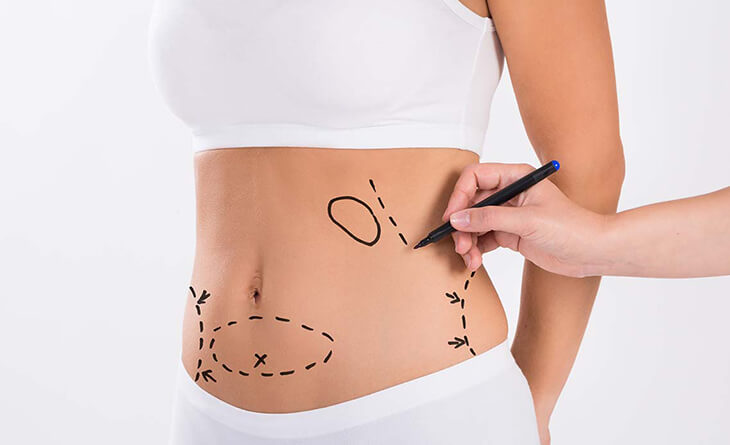
Pregnancy can produce major changes in the abdomen, including stretching of the skin, changes in body weight, and separation or weakening of abdominal tissues. For women considering Tummy Tuck in Islamabad, future pregnancy is therefore an important factor to discuss before surgery.
A tummy tuck can address certain changes that remain after pregnancy, but pregnancy after surgery may alter the treated area again.
Why Does Pregnancy Change the Abdomen?
During pregnancy, the abdomen expands to accommodate the developing baby. The skin stretches, abdominal muscles and connective tissues may change, and body weight naturally increases.
After delivery, some tissues gradually recover, but they do not always return completely to their pre-pregnancy condition.
Some women may experience persistent loose skin, a lower abdominal pouch, or changes in the abdominal wall even after returning to a stable weight.
What Does a Tummy Tuck Do After Pregnancy?
A tummy tuck may be considered when loose abdominal skin remains after pregnancy.
The procedure can remove selected excess skin and reshape the abdominal contour. When appropriate, the surgeon may also address certain abdominal wall changes.
The procedure is not intended to treat every effect of pregnancy, and the exact correction depends on the individual’s anatomy.
Why Is Future Pregnancy Important?
Pregnancy after a tummy tuck can stretch the abdominal skin and tissues again.
This does not necessarily mean that pregnancy cannot occur after surgery, but it may affect the appearance achieved through the procedure.
For someone who expects to become pregnant again soon, delaying the tummy tuck may be discussed.
Is There a Required Waiting Period After Childbirth?
The appropriate timing varies.
The body needs time to recover from pregnancy and childbirth, and weight should ideally be relatively stable before elective contouring surgery is considered.
Breastfeeding, postpartum recovery, nutritional status, and future pregnancy plans may also be relevant.
A qualified surgeon can assess whether enough time has passed for an accurate evaluation.
What About C-Section Scars?
A previous C-section does not automatically prevent someone from having a tummy tuck.
The surgeon can evaluate existing scars and determine how they relate to the planned incision.
In some cases, a lower abdominal tummy tuck incision may incorporate or replace an existing scar, but this depends on individual anatomy and surgical planning.
Patients should provide complete information about previous abdominal procedures.
Can Tummy Tuck Repair Muscle Separation?
Pregnancy can sometimes be associated with separation of the abdominal muscles.
When such separation is present and clinically appropriate, the surgeon may discuss abdominal wall repair as part of the surgical plan.
However, muscle repair is not automatically required for every patient after pregnancy.
An examination is needed to determine whether this issue exists and whether surgical correction is appropriate.
What If Weight Has Not Stabilized?
Pregnancy-related weight changes can continue for some time after delivery.
A tummy tuck is generally easier to plan when body weight has reached a relatively stable level.
Significant weight changes after surgery can affect the abdominal contour, so rushing into surgery before postpartum changes have settled may not provide the most predictable situation.
Can Pregnancy Completely Undo the Result?
Pregnancy can change the abdominal tissues again, but the degree of change varies.
Some individuals may experience relatively modest changes, while others may develop substantial stretching or loose skin.
There is no way to guarantee that the abdomen will remain exactly the same after another pregnancy.
This is why future pregnancy plans should be part of the consultation.
What If Someone Has No Plans for More Children?
If a person has completed childbearing and has persistent abdominal changes, a tummy tuck may be considered after the body has adequately recovered.
The surgeon can assess skin excess, abdominal wall condition, scars, and overall health before recommending an approach.
The decision should be based on the individual’s situation rather than simply the number of previous pregnancies.
Maintaining Results After Surgery
After recovery, maintaining relatively stable body weight can help preserve abdominal contour.
Regular physical activity and balanced nutrition may support general health.
However, lifestyle measures cannot completely prevent future changes caused by pregnancy or significant weight fluctuations.
How Should Pregnancy Plans Be Discussed?
Patients should be open about whether they are considering future pregnancy.
This information can influence the timing and goals of surgery.
A surgeon may explain whether waiting would be preferable and what changes could occur if pregnancy takes place later.
An honest discussion helps create realistic expectations.
Conclusion
Pregnancy can stretch abdominal skin and alter the abdominal wall, which is why future pregnancy is an important consideration when planning Tummy Tuck in Islamabad. The procedure may help address persistent loose skin and selected abdominal changes after pregnancy, but another pregnancy can modify the result.
People who are considering future pregnancy should discuss their plans with a qualified plastic surgeon before scheduling surgery. Individual timing, weight stability, postpartum recovery, existing scars, and abdominal condition all need to be evaluated before making a treatment decision.