

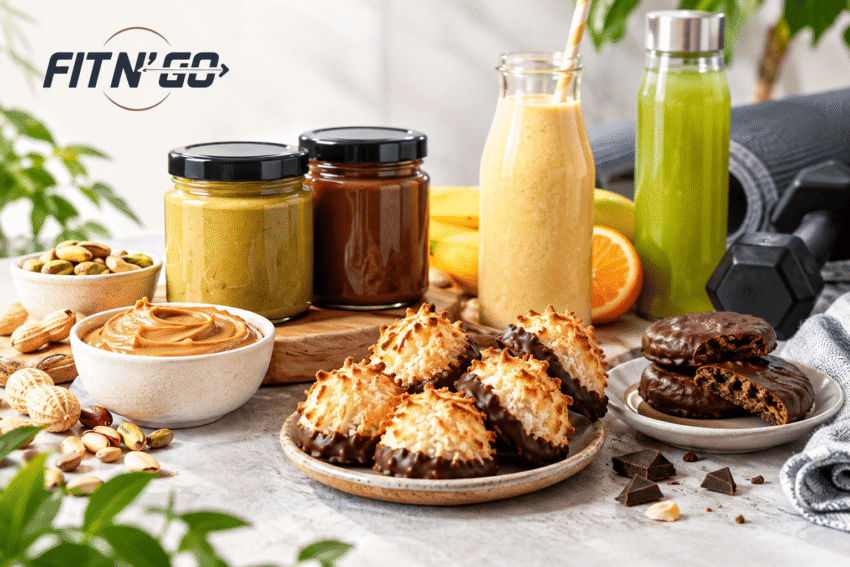
Choosing snacks that taste good while also fitting into a balanced diet can sometimes be difficult. Australian supermarkets offer a wide range of spreads, biscuits, protein snacks and sweet treats, but their nutritional profiles can be very different. Rather than relying only on packaging claims, it is useful to understand ingredients, serving sizes, protein, sugar, fibre and overall energy content.
Peanut butter and coconut-based snacks are two options that continue to appeal to people looking for convenient foods. When enjoyed in sensible portions and alongside a varied diet, they can easily have a place in everyday eating.
Why Peanut Butter Is a Popular Choice
Peanuts naturally contain protein, fats and other nutrients, making peanut butter a practical ingredient for breakfast and snacks. It can be spread on toast, added to oats, mixed into smoothies or paired with fresh fruit.
For people who exercise regularly, protein is particularly useful because it contributes to the maintenance and growth of muscle mass. However, it is not necessary to treat every protein-containing food as a specialist fitness product. A varied diet can provide protein through many different foods.
For example, chocolate peanut butter protein can be used as a convenient spread or snack ingredient. Looking at the nutrition panel is still important because the nutritional value of any peanut butter depends on its ingredients and serving size.
What Should You Look For in Peanut Butter?
When comparing peanut butter products, look beyond the front of the packaging. The nutrition information panel provides a clearer picture of what you are actually eating.
Pay attention to protein, dietary fibre, sugars, total fat, saturated fat and the recommended serving size. The ingredient list is also worth checking, particularly if you have specific dietary preferences or restrictions.
Taste should not be overlooked either. A product that you genuinely enjoy is more likely to become a practical part of your routine.
For people who enjoy the flavour of pistachios, Healthy Pistachio Peanut Butter offers a variation from traditional peanut butter. It can be used in familiar ways, such as with toast, oats, fruit or yoghurt.
There is no universal peanut butter that is right for everyone. Someone trying to increase protein intake may have different priorities from someone mainly interested in reducing their overall energy intake.
Understanding Portion Sizes
Peanut butter is nutrient-dense, which means a relatively small serving can provide a substantial amount of energy. That is not necessarily a negative thing, but portion awareness can be useful.
A spoonful added to breakfast can be very different from repeatedly eating directly from the jar without noticing how much has been consumed.
A versatile option such as great peanut butter can be incorporated into different meals and snacks. Try measuring your serving when you first start using a new product so you have a better idea of how much you are actually eating.
For an everyday snack, peanut butter can be paired with foods such as wholegrain bread, banana, apple, oats or yoghurt. These combinations can provide a more satisfying snack than relying on a sweet spread alone.
Coconut Macaroons and Their Nutrition
Coconut macaroons are another popular choice for people who enjoy sweet snacks. Their texture can range from soft and chewy to lightly crisp, while recipes may include coconut, egg whites, sugar, chocolate or other ingredients.
One common misconception is that a coconut-based food is automatically low in calories simply because coconut is involved. Coconut naturally contains fat, while traditional macaroon recipes can also contain added sugars. This means the overall nutritional profile depends on the complete recipe.
If you are looking for Healthy coconut macaroons australia, checking the product’s serving information and ingredient list is a sensible starting point.
Coconut macaroons can be enjoyed as an occasional sweet snack without needing to label them as either completely “good” or “bad”. What matters more is how they fit into your overall eating pattern.
Pairing Peanut Butter With Other Foods
One of the easiest ways to make peanut butter part of a balanced snack is to combine it with other nutrient-containing foods.
Try peanut butter on wholegrain toast with sliced banana, or pair a small serving with apple slices. It can also be stirred through porridge or added to a yoghurt bowl.
For active people, combining protein-containing foods with carbohydrate sources can be useful around exercise. For example, oats and peanut butter provide a convenient combination of carbohydrates, protein and fats.
There is no need to make every snack complicated. Simple combinations can be easier to prepare and maintain over the long term.
What About Detox Drinks?
Another category that attracts attention in Australia is drinks marketed around detox, cleansing and general wellbeing. It is important to look at these products realistically.
The body already has natural systems, including the liver and kidneys, that help process and remove waste. No particular drink should be viewed as a replacement for a balanced diet, adequate hydration or medical care.
If you are considering detox drinks Australia, check the ingredients and nutrition information and consider how the drink fits into your normal eating pattern.
For everyday hydration, water remains a simple and reliable choice. Other drinks can provide variety, but they should complement rather than replace nutritious meals.
How to Read Australian Nutrition Labels
Nutrition panels are one of the most useful tools when comparing packaged foods. Australian labels commonly provide information both per serving and per 100g.
The per-serving column helps you understand what you consume based on the suggested serving size. The per-100g column makes it easier to compare two similar products.
When checking peanut butter, coconut snacks or other packaged foods, consider:
- Protein content
- Dietary fibre
- Total sugars
- Saturated fat
- Sodium
- Serving size
- Ingredient list
- Energy per serving
Looking at several of these factors together gives you a much clearer picture than focusing on one number.
Healthy Eating Does Not Mean Avoiding Treats
A balanced approach to food does not require eliminating every sweet or enjoyable snack. In fact, making food unnecessarily restrictive can make everyday eating more difficult.
Peanut butter can provide flavour and protein, while coconut-based treats can satisfy a preference for something sweet. Both can fit into a varied diet when portions and overall food choices are considered.
Instead of asking whether a particular food is completely healthy or unhealthy, it can be more useful to ask how often you eat it, how much you consume and what the rest of your diet looks like.
Making Practical Snack Choices
For Australians trying to make better food choices, consistency is usually more realistic than perfection. Keep a variety of foods available and choose snacks according to your hunger, activity levels and nutritional needs.
Peanut butter can be useful at breakfast or between meals, while coconut macaroons may work better as an occasional sweet option. Fresh fruit, yoghurt, wholegrain foods, nuts and other protein-containing foods can also add variety.
The most sustainable eating pattern is one that you can actually enjoy and maintain.
Final Thoughts
Peanut butter and coconut macaroons can both have a place in a balanced Australian diet. Peanut butter provides a convenient way to add flavour and protein to everyday foods, while coconut macaroons can offer an enjoyable sweet option.
The key is not to search for one perfect food. Instead, compare nutrition information, understand serving sizes, consider ingredients and aim for variety across your meals and snacks.
With a sensible approach, enjoyable foods can remain part of everyday eating without taking away from overall nutrition. Fit N Go provides another option for people exploring convenient foods and snacks that can fit into different eating routines.
Ultimately, good nutrition is about the overall pattern of what you eat rather than one individual snack. Choosing foods you enjoy, paying attention to portions and maintaining variety can make healthy eating much easier to sustain.