

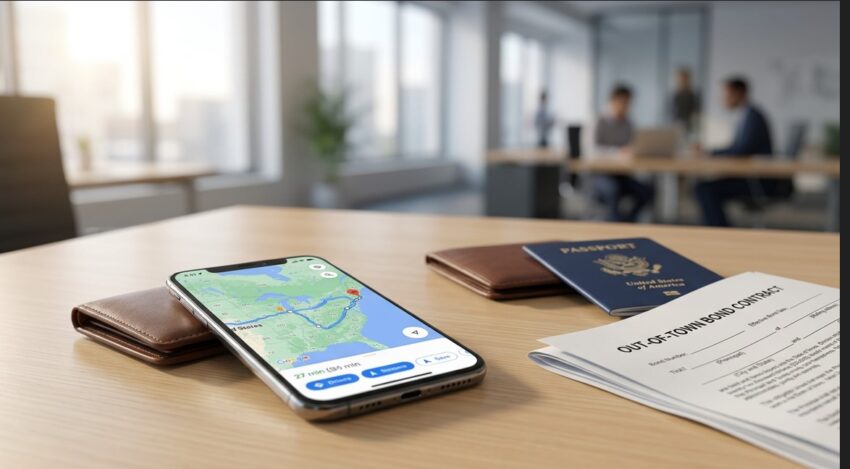
An arrest can become more difficult to manage when the person in custody is far from the family members trying to help. Relatives may live in another city, have limited knowledge of the local area, or be unsure where to begin with a bail arrangement.
Distance does not remove the need for accurate information. In fact, when family members are outside the area, keeping track of custody details, bond information, financial responsibilities, and court requirements becomes even more useful.
Distance Can Add Extra Pressure
When someone is arrested away from home, family members may have to coordinate everything remotely.
They may not be able to visit the detention facility immediately or speak with local officials in person. Phone calls and electronic communication can therefore become important parts of the process.
The first goal should be to establish the basic facts instead of trying to solve every issue at once.
Confirm the Current Location
Before contacting a bail provider, find out where the person is being held.
An arrest may take place in one area while the person is processed or held somewhere else. If the family has received conflicting information, confirming the current facility can prevent unnecessary delays.
Write down the facility name and any available booking information. This information can be useful when speaking with a local bail provider.
Build a Clear Information File
Families handling a situation from outside Monroe can benefit from keeping all available information in one place.
The file may include:
- Full name of the person in custody
- Date of birth
- Current detention facility
- Booking number
- Charge information
- Bond amount
- Court details
- Available case number
- Contact information for family members
A digital note or shared document can make it easier for family members in different locations to stay updated.
Out-of-Town Bonds in Monroe, NC
People searching for Out-of-town bonds in Monroe, NC may be dealing with a situation where the person in custody is connected to Monroe while the family member arranging the bond lives elsewhere.
A local bail provider can discuss the practical requirements based on the available case information. Families should explain that they are arranging the bond from outside the area so the provider can clearly explain what information and documents may be needed.
The exact process depends on the circumstances of the bond.
Ask How Remote Arrangements Work
Families should not assume that being in another city automatically prevents them from arranging a bond.
Instead, ask the bail provider how the process can be handled when the person responsible for the arrangement is outside the local area.
Questions may include:
- What information is needed to begin?
- Which documents must be completed?
- How can required paperwork be handled?
- What payment methods are available?
- Who should remain the main point of contact?
Getting these details early can make communication easier.
Keep One Person in Charge of Communication
When a person is in custody, several relatives may want to help.
That is understandable, but too many separate conversations can sometimes create confusion. Different family members may receive different pieces of information and accidentally pass along outdated details.
Choosing one primary contact person can make the process more organized.
That person can maintain the main record and share updates with other relatives.
Review Financial Responsibilities From the Start
Distance can make financial discussions more important because family members may be arranging everything remotely.
Before agreeing to a bond arrangement, ask for a clear explanation of the payment requirements and other responsibilities.
Families should know what they are agreeing to before completing paperwork or making payments.
If another family member is contributing money, keep a record of who is responsible for each part of the arrangement.
Do Not Rely on an Old Example
Someone who has previously arranged a bond may tell the family how their situation worked.
That information may provide general context, but it should not be treated as a guarantee that the current case will follow the same process.
Bond amounts, requirements, and circumstances can vary.
The best information is the information connected directly to the current case.
Keep the Court Separate From the Bond
Arranging release does not resolve the underlying criminal case.
After release, the person may still have court dates and other obligations. Family members helping from another location should encourage the person to keep track of all official paperwork and communicate with legal counsel when necessary.
Questions about legal rights, charges, defense options, or court strategy should be directed to a qualified attorney.
Why Local Assistance Can Help
A family member living outside Monroe may not know which local resources to contact. Speaking with a local bail provider can make it easier to discuss the practical side of the bond.
Ripley’s Affordable Bail Bonding LLC can communicate with families about the information required for a bonding arrangement and the financial responsibilities that may apply.
The family can then make decisions based on the actual case details rather than trying to interpret incomplete information from a distance.
Keep Important Records Accessible
Remote arrangements can involve multiple phone calls, messages, documents, and payment records.
Keeping everything together can save time later.
Families may want to maintain:
- Bond documents
- Payment confirmations
- Provider contact information
- Facility information
- Booking details
- Court paperwork
- Important dates
If several relatives are involved, make sure the main information is available to the person coordinating the situation.
Plan for What Comes After Release
Families sometimes focus so heavily on getting someone released that they overlook what happens afterward.
The person may need to attend court, follow applicable conditions, and communicate with an attorney.
Family members who live outside the area can still help by reminding the person to keep documents organized and stay aware of upcoming responsibilities.
When Questions Need Legal Advice
Bail providers and attorneys serve different purposes.
A bail provider can explain the bonding arrangement and related financial responsibilities. An attorney can provide legal guidance about the criminal case.
If a family member has a question about potential consequences, legal rights, evidence, or defense strategy, contacting qualified legal counsel is appropriate.
Final Thoughts
Arranging bail from another city can feel complicated, but good organization can make the situation easier to manage. Confirming the detention location, gathering accurate case details, choosing one main contact person, and reviewing financial responsibilities are useful starting points.
For families looking for Out-of-town bonds in Monroe, NC, a local bail provider can explain the practical side of arranging a bond when the person responsible for the arrangement lives outside the area. Ripley’s Affordable Bail Bonding LLC can help families discuss the available bonding process based on the details of the case.
Distance may make communication more challenging, but keeping accurate records and asking clear questions can help families handle the situation more efficiently.