

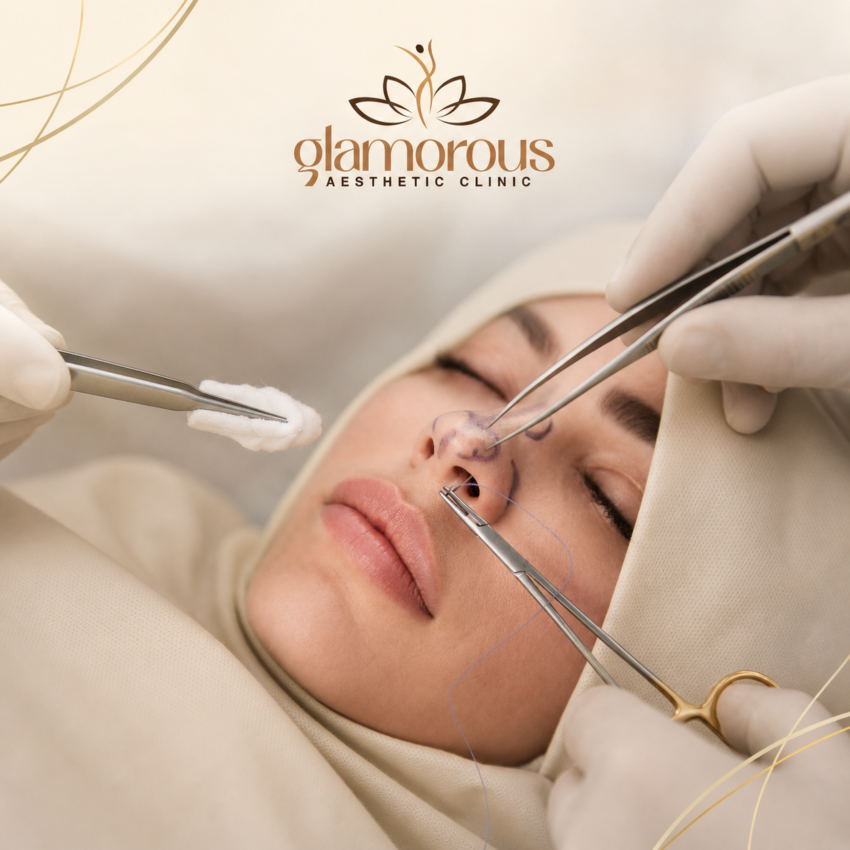
Nose surgery is one of the most personal decisions in aesthetic and reconstructive medicine, because the nose sits at the center of the face and also controls how you breathe. A change that looks small on paper can affect both appearance and function. Before booking anything, it helps to understand the procedure, the choices involved, and the factors that shape the overall investment. For anyone researching Rhinoplasty in Islamabad , this guide offers a clear, balanced starting point.
Understanding Rhinoplasty
Rhinoplasty, often called a nose job, is a surgical procedure that reshapes the nose or improves its function. Surgeons adjust bone, cartilage, and soft tissue to refine the bridge, tip, nostrils, or overall proportions. Some patients seek a cosmetic change, others need to correct breathing problems, and many want both.A related procedure, septoplasty, straightens the wall inside the nose (theseptum) and is sometimes combined with rhinoplasty. When breathing and appearance are addressed together, the operation is sometimes called septorhinoplasty.
Who Might Consider Nose Surgery?
People consider nose surgery for many reasons. Some are bothered by a prominent bridge, a wide tip, or asymmetry. Others have had an injury that changed the shape of the nose, or they live with chronic blockage caused by structural problems. Some are born with differences that they wish to address.Good candidates are generally in good health, have finished facial growth, and hold realistic expectations. A thorough consultation is the best way to find out whether surgery suits your goals.
How the Procedure Works?
Rhinoplasty is usually performed under anesthesia, and the surgeon chooses an approach based on the changes required. In an open technique, a small incision across the columella (the strip of tissue between the nostrils) allows wider access to the structures. In a closed technique, incisions are hidden inside the nostrils. Each has advantages, and the right choice depends on your anatomy and goals.During surgery, the surgeon may reduce, add, or reposition cartilage and bone. Grafts are sometimes used to strengthen or reshape certain areas. Once the work is complete, the nose is supported with a splint, and recovery begins.
What Recovery Looks Like?
Recovery is gradual. In the first days, patients commonly experience swelling, bruising, and congestion. A splint stays in place for about a week in many cases, and many people return to light activity within one to two weeks, though this variesThe nose can continue to refine and settle for many months, and subtle swelling, especially in the tip, may take a year or longer to resolve. Following your surgeon’s aftercare instructions, protecting the nose, and attending follow-up appointments all support healing.
What Affects the Cost of Rhinoplasty in Islamabad?
Cost is a natural concern, and it is reasonable to ask about it early. There is no single universal price for nose surgery, because every nose and every plan is different. We will not quote figures here, since any number would be a guess. What matters more is understanding the factors that shape the final cost, so you can compare options sensibly.
Complexity of the procedure. A minor refinement differs greatly from a full reshaping, a procedure that combines cosmetic and functional work, or a revision operation. The more time, planning, and technical skill a case requires, the more it tends to influence the overall cost. Cases that involve cartilage grafts or reconstruction are generally more involved than simple refinements.
Surgeon expertise. A surgeon’s training, experience, and focus on nasal surgery are significant considerations. Rhinoplasty is widely regarded as technically demanding, and experience with a wide range of nasal types helps a surgeon anticipate challenges. Expertise is not a luxury; it is closely tied to safety and to the quality of planning.
Anesthesia. The type of anesthesia, the qualifications of the anesthesia provider, and the monitoring involved all matter. Safe anesthesia requires trained professionals and proper equipment, and these are part of what a patient is paying for.
Facility. Surgery should take place in a properly equipped, accredited setting with sterile operating conditions, emergency readiness, and trained support staff. The standard of the facility has a direct link to patient safety.
Consultation. A proper consultation involves examination, discussion, photography, and planning. Some clinics include it in the overall cost, while others charge separately, so it is worth asking what is included.
Aftercare. Follow-up visits, splint removal, dressing changes, and support during recovery are essential parts of the journey. Ask whether follow-up care is part of the plan and what happens if you have a concern afterward.
Because these factors vary, a clear and itemized explanation from the clinic is a good sign. If something is unclear, asking for clarification is completely reasonable.
Why Safety and Expertise Matter More Than Price Alone
It can be tempting to choose the lowest quote, but nose surgery is not a purchase where cheaper automatically means better value. Several outcomes of a poorly planned or poorly executed operation can be difficult to fix: breathing difficulty, asymmetry, or structural weakness. Revision surgery is generally more complex than a first procedure, and it can bring its own emotional and financial burden.
A lower price may reflect fewer resources, less experienced staff, a less suitable facility, or limited follow-up care. That does not mean every low-cost option is unsafe, but it does mean you should look beyond the number. Compare the surgeon’s qualifications, the clinic’s safety standards, the clarity of the consultation, and the support offered after surgery.
When you weigh your choices, consider what you are really buying: careful assessment, skilled surgery, safe anesthesia, a suitable environment, and reliable aftercare. These are the elements that protect your health and your result.
Choosing the Right Clinic
A few practical steps can help you decide with confidence.
Check the surgeon’s credentials and ask directly about experience with rhinoplasty. Look at before-and-after photographs, keeping in mind that every nose is unique and that images are not a promise of your own result. Ask who provides the anesthesia and where the surgery takes place. Make sure the consultation feels thorough and unhurried, and that your questions are answered honestly. Be wary of any clinic that guarantees outcomes or pressures you to decide quickly.
Seeing more than one surgeon for opinions can also help you compare approaches and feel more certain.
Common Questions About Nose Surgery
Is rhinoplasty painful?
Most patients describe pressure, congestion, and tightness rather than sharp pain, and discomfort is usually managed with prescribed medication.
How long until I see my final result?
Initial changes are visible after the splint comes off, but full refinement can take a year or more as swelling settles.
Can rhinoplasty improve breathing?
It can, when the cause is structural. An examination is needed to determine whether surgery is appropriate.
Will my nose look natural?
Many surgeons aim for results that suit the face and look balanced. Outcomes vary, and no result can be guaranteed.
Are there risks?
Yes. Risks include bleeding, infection, scarring, asymmetry, and breathing changes. Your surgeon should explain those that apply to you.
Should I choose based on cost?
Cost is one consideration, but safety, expertise, and aftercare deserve at least equal weight.
Conclusion
Nose surgery is a meaningful decision that deserves careful research, honest conversation, and realistic expectations. If you are exploring Rhinoplasty in Islamabad, focus on the full picture: the complexity of your case, the surgeon’s experience, the quality of anesthesia and facility, the thoroughness of the consultation, and the support you will receive afterward. A well-informed choice is far more valuable than a quick one.
Read more:
https://dev.to/glamorous_clinic_04e6a0a2/rhinoplasty-cost-in-islamabad-what-determines-the-price-3ac2