

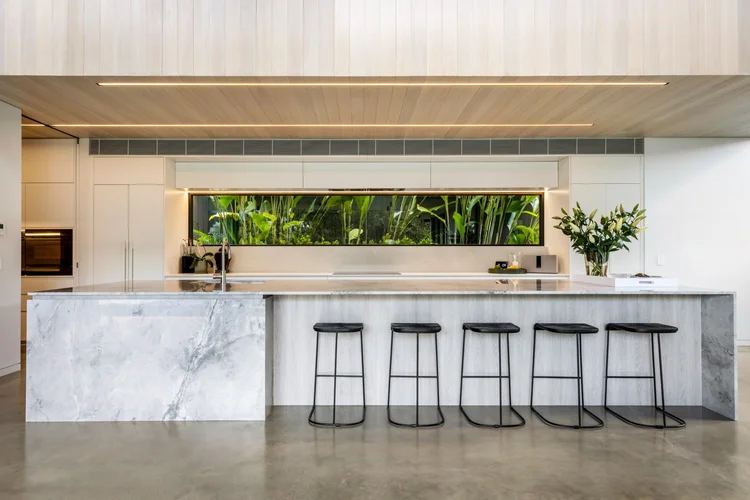
A property could be a house with a lovely kitchen, spacious backyard and good location, but all that would not mean anything if interested buyers skip over the advertisement. In the online world of real estate, the first impression is usually made via the screen. Buyers evaluate the photos, layout, and presentation in general to determine whether this property merits their consideration. This way, real estate photography becomes more than a nice addition to a campaign; it becomes a means to convey information about the property.
Professional photography real estate must accomplish much more than just creating a visually appealing image. It must give an accurate impression of the property and create sufficient interest for further investigation.
What Makes Property Photography Work Harder?
Photography of properties makes use of visual decisions to aid buyers in comprehending the property.
- Good representation of space: Make use of wide-angle lenses without distorting room dimensions.
- Focusing on important aspects: Lighting, architecture, open areas, and fine finishing are very important.
- Visual continuity: Proper representation of the space from outside to inside in a sequence.
- Selecting appropriate angles: Show the connections between different spaces.
For instance, rather than capturing individual spaces, presenting a living room opening into a courtyard can be more effective in describing the layout of the property.
Beyond the Hero Image: Building a Complete Campaign
While the first photo may entice the clicker, the other photos need to be able to keep their interest. The properties for sale are being discovered by more people through more media channels than ever before.
- Floor plans provide information about room relationships and measurements.
- Video will be able to provide a natural walk-through of the space better than photos.
- Social media photos will allow people to see specific aspects of the property.
- Printed brochures will serve as a physical reminder for visitors who have inspected the property.
- Aerial photography provides a perspective that photos cannot.
The goal is not to try to gather as many marketing materials as possible. Each one needs to ask and answer a different question from the potential buyers.
When Drone Photography Adds Genuine Value
An aerial photograph works best if the property surroundings have something about them that makes the property attractive. Drone Photography for Real Estate captures images that would otherwise be hard to explain on foot.
- Large allotments: The aerial perspective allows buyers to see how big and what shape the allotment is.
- External elements: Pools, gardens, sheds and entertainment areas could be considered in respect of the house.
- Water frontage or elevated property: With the overhead view, the setting and geography would be communicated.
- Context of location: Parks, coastlines, and other amenities may become easier to understand through aerial photography.
- Commercial and development properties: The aerial perspective could show access, boundary conditions, and other important features of the property.
The best aerial photo is not always the highest and most exciting. It is the photo that reveals something valuable. For instance, an aerial photo of the backyard entertaining space adjoining the big garden will convey much more information than a standard overhead photo of the roof.
Why Print Still Has a Place in Property Marketing
Digital advertising might pique initial interest, yet printed advertising can play its part during inspections and further conversations. A smartly designed brochure offers buyers the convenience of an informative tool that they can easily carry away with them.
If you’re thinking about Custom Brochure Printing Sunshine Coast, you should consider functionality over beauty.
- Create a striking visual: Let the property become identifiable and correspond to the online listing.
- Include necessary data: Include floor plans and all the required data in the brochure.
- Choose high-quality images: The photographs have to be printed without problems.
- Don’t overcrowd: Make sure that the brochure is readable.
- Be consistent: Use the same colour palette and imagery as the rest of the campaign.
A properly created brochure will make the property unforgettable in case of multiple inspections.
Avoiding the Most Common Photography Mistakes
An even expensive package can be ineffective due to bad visuals.
- Over-editing: The excess of HDR, unnatural skies, or fake colours lowers credibility.
- Poor preparation: Messy or dirty backgrounds and personal effects distract from the property’s qualities.
- Too few pictures: Too few pictures may cause confusion on the buyer’s part.
- Same angle everywhere: Duplicate shots use up valuable marketing real estate.
- Failure to highlight the property’s selling points: Every property has unique attributes that need to be marketed properly.
Accuracy is as important as aesthetics. The buyer needs to come to the property inspection prepared for what they will see there.
Make Visual Accuracy Part of the Strategy
Attention-grabbing images draw the eye, but it is the truthful images that create trust. Images should be used to showcase the property at its best while avoiding false hopes.
- Maintain scale: Be cautious when using wide-angle lenses so that spaces are not misrepresented as being larger than they really are.
- Depict the views accurately: Be careful not to imply ownership of nearby landscapes.
- Be honest with your editing: Make changes in terms of lighting and colour, but without hiding anything about the property.
- Use images: They help represent the current state of the property.
- Show features: Capture the property in the larger context of its facilities.
Since people are forming first impressions from the photographs online, misleading photographs will hurt the buyer’s impression during an inspection of the property.
Conclusion
The best photography-based real estate campaign isn’t about having one great photograph. The campaign needs to provide a consistent visual impression that allows buyers to get to know the house, its setting, and its practical aspects before actually seeing it.
Starting from well-composed interior photographs through meaningful aerial shots down to helpful print material, all these elements must have their distinct role in the campaign. In the end, a good photography real estate campaign isn’t about making all houses look the same.