

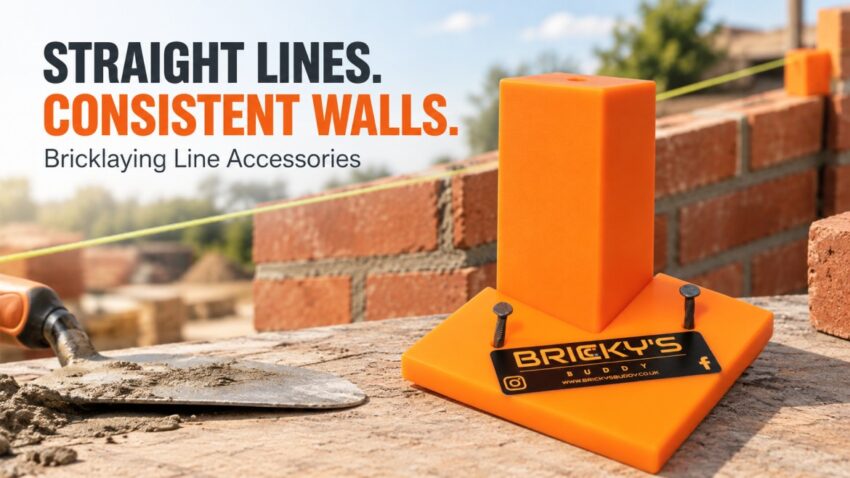
Building a straight, stable wall requires more than quality bricks and mortar. Precision, careful planning, and the right tools all contribute to a professional finish. Whether working on a garden wall, a residential extension, or a large construction project, bricklayers need reliable equipment to maintain alignment and consistent courses. Simple accessories can make a significant difference by helping tradespeople work efficiently while reducing avoidable mistakes.
Among the essential tools used in traditional masonry are line blocks, which help maintain a taut bricklaying line between two points. When used correctly, they provide a dependable visual guide for keeping each course level and straight. Understanding how these accessories work, how to select suitable options, and how to maintain them can help improve the quality of brickwork on projects of all sizes.
Why Accurate Alignment Matters in Bricklaying
A well-built wall depends on consistent spacing, level courses, and accurate alignment. Even small errors can become more noticeable as additional rows of bricks are laid. A wall that gradually moves out of line may require adjustments, additional labour, or corrective work before the project can be completed.
A bricklaying line creates a clear reference between the ends of a wall. Bricklayers use this guide to position individual bricks at the correct height and maintain a consistent direction throughout each course. However, the line is only useful when it is properly secured and tensioned.
This is where bricklayers corner blocks become valuable. They provide anchor points for the line at the corners or ends of a section of brickwork. By holding the line in position, these accessories help tradespeople establish a reliable guide before continuing with the next course.
Understanding How Line Blocks Work
Line blocks are compact accessories designed to hold a bricklaying line against the edges of brickwork. They allow the line to remain securely positioned while the bricklayer works along the wall. Depending on the design, blocks may use a gripping mechanism, a shaped profile, or another simple method to keep the line in place.
Once attached, the line can be stretched between two points to create a straight reference. Bricklayers then position each brick in relation to the line, checking that the upper edge follows the intended course.
Effective use of corner blocks can reduce the need for repeated manual measurements. Instead of checking every brick independently against a separate measuring tool, workers can follow the established guide while making small adjustments as necessary.
These accessories are particularly useful for maintaining consistency across long wall sections, where even minor alignment differences can accumulate over several courses.
Choosing the Right Bricklaying Accessories
Not all line-holding accessories are identical. The most suitable option depends on the type of work, the brick dimensions, the working environment, and the preferences of the person carrying out the masonry.
When comparing products, bricklayers should consider the following factors.
Grip and Stability
A secure grip is essential because movement can affect the position of the line. Accessories should remain firmly attached during normal working conditions without damaging the brick edges. A stable design also helps reduce interruptions caused by repeated repositioning.
Material and Durability
Construction tools are exposed to mortar, dust, moisture, and regular handling. Durable materials can withstand these conditions and remain useful across multiple projects. Buyers should assess the product’s construction and suitability for frequent site use.
Ease of Installation
Simple installation saves time, particularly when a project involves several wall sections or frequent changes in working position. Accessories that are straightforward to attach and remove can help maintain an efficient workflow.
Compatibility With Bricklaying Lines
The accessory should work effectively with the line being used. A suitable fit helps maintain tension and reduces the risk of slipping during installation.
Benefits of Using Brick Line Blocks
Brick Line Blocks offer several practical advantages when used as part of a consistent bricklaying process.
First, they help establish straight reference lines, making it easier to keep courses aligned from one end of the wall to the other. This is particularly important on longer sections where visual judgement alone may not provide sufficient accuracy.
Second, they can improve working efficiency. Once the line is secured, the bricklayer can concentrate on placing bricks and managing mortar joints rather than repeatedly measuring the position of each unit.
Third, they support consistent results across multiple courses. A reliable reference makes it easier to identify deviations early, allowing corrections before they affect a larger area of the wall.
Although these tools cannot replace proper workmanship, they can make accurate bricklaying easier to achieve when combined with appropriate measuring and levelling techniques.
Plastic Line Blocks and Their Practical Uses
Plastic Line Blocks are a common option for tradespeople looking for lightweight and convenient masonry accessories. Their relatively low weight makes them easy to carry in a tool bag, while suitable designs can provide the grip needed for everyday bricklaying tasks.
Plastic construction may also offer practical advantages in environments where tools are frequently handled and transported. However, durability depends on the quality of the material and the design of the product. Bricklayers should check that their chosen accessories can withstand regular site use.
When selecting plastic models, it is worth considering how securely they hold the line, how easily they fit onto brickwork, and whether they remain stable under normal tension.
Cleaning them after use can also help preserve their gripping surfaces. Dried mortar and accumulated debris may interfere with positioning, so a quick inspection before each job is a sensible habit.
Best Practices for Using Bricklaying Line Blocks
Even good equipment needs to be used correctly. A few straightforward practices can help bricklayers achieve more dependable results.
Check the First Course
Before attaching the line, ensure the initial course is correctly positioned and level. Any inaccuracies at the base can influence the courses that follow, making early checks particularly important.
Maintain Appropriate Tension
The line should be taut enough to provide a reliable guide without being stretched excessively. Too much slack can cause the line to sag, while excessive tension may place unnecessary strain on the fixing points.
Recheck Alignment Regularly
Check the line blocks and the line itself throughout the task. Accidental knocks, movement, or changes in tension can affect alignment. Regular inspections help identify these problems before additional bricks are laid.
Avoid Pushing Bricks Against the Line
The line serves as a reference rather than a surface against which bricks should be forced. Pressing bricks into it may move the guide and introduce inaccuracies. Instead, position each brick carefully while maintaining the intended joint thickness.
Clean and Store Tools Properly
Remove mortar residue and inspect the accessories after use. Store them with other small masonry tools so they remain accessible and ready for the next project.
Finding Reliable Accessories for Everyday Masonry
Choosing practical equipment is an important part of preparing for a bricklaying project. A well-organised tool kit can help tradespeople work more efficiently and maintain consistent standards across different jobs.
Suppliers such as Bricky’s Buddy offer a useful starting point for exploring specialist bricklaying accessories. When comparing available options, buyers should focus on usability, durability, compatibility, and suitability for their regular tasks rather than selecting a product based on appearance alone.
It is also helpful to consider how frequently an accessory will be used. Professionals working on masonry projects every day may benefit from investing in durable equipment, while occasional DIY users may prioritise simplicity and ease of handling.
Conclusion
Accurate brickwork relies on sound preparation, consistent techniques, and dependable tools. Line blocks help create a stable reference for laying straight courses, reducing the need for repeated measurements and making alignment easier to monitor throughout a project.
By choosing suitable accessories, maintaining proper line tension, and checking the position of each course, bricklayers can improve their working process and support a more consistent finish. Although small, these tools play an important role in helping both experienced tradespeople and developing bricklayers approach masonry tasks with greater confidence.
Frequently Asked Questions
1. What are bricklayers corner blocks used for?
Bricklayers corner blocks hold a bricklaying line in position at the ends or corners of a wall. They help create a straight reference for laying bricks accurately and maintaining consistent courses.
2. How do line blocks improve bricklaying accuracy?
Line blocks secure a taut guide between two points. Bricklayers can use this guide to check the position and height of individual bricks, helping reduce alignment errors throughout each course.
3. Are Plastic Line Blocks suitable for professional use?
Yes, suitable plastic models can be used for professional masonry work. Their performance depends on material quality, grip, construction, and their ability to withstand regular handling on construction sites.
4. What should I consider when choosing Bricklaying Line Blocks?
Consider grip strength, durability, ease of installation, compatibility with your bricklaying line, and suitability for the type of brickwork you regularly complete.
5. How can I maintain line blocks?
Clean away mortar and debris after use, inspect the gripping surfaces for wear or damage, and store the accessories in a dry, organised tool bag or toolbox. Regular checks help ensure they remain reliable for future projects.