

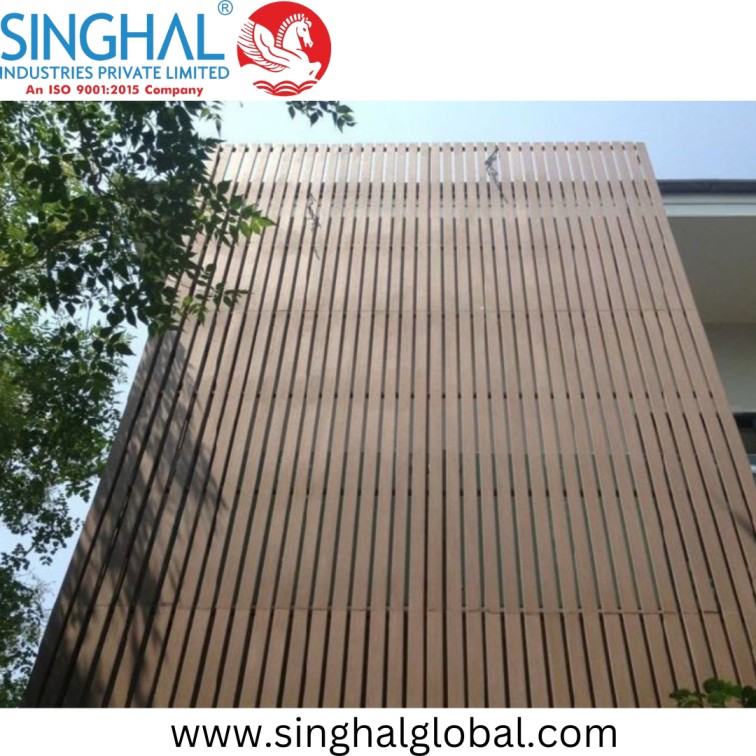
The drive towards interior design continues to evolve toward materials that bring together aesthetic warmth and enduring structural performance. Wood Plastic Composite solutions are a game changing architectural surface generation of a smarter option for residential and commercial spaces loft timber panelling and brittle drywall finishes! Through the engineering of a hybrid material that marries natural wood fibers and thermoplastics, modern-day cladding surfaces provide the tactile richness of real timber with full resistance to moisture ingress, surface wear and system degradation over time. More property owners, interior architects, and contractors are reaching for these engineered panels to deliver attention-getting feature walls; textured acoustic partitions; and easy-care vertical surfaces that stand the test of time, looking great month after month, year after year—all day every day.
The Engineering Behind Contemporary Wood Plastic Composites
Composite wall systems with superior properties have a more complex molecular composition and sophisticated land manufacturing processes that lay the foundation for this understanding. These composite surfaces are made from a fine combination of wood flour or sawdust plus recycled or virgin polymers (such as high density polyethylene (HDPE) or polyvinyl chloride), and proprietary coupling agents and UV stabilizers. The result is a dense, non-porous matrix that retains the grain patterns and pleasant tactile feel of real wood while completely removing structural deficiencies such as warping, splintering, and moisture absorption. A qualified WPC Wall Panels Manufacturer can ensure every panel meets the dimensional tolerances, fire retardation standards and color matches needed for large interior installations.
Visual Appeal and Surface Versatility in Modern Design
Designers choose composite cladding for interior remodeling largely due to its visual versatility. Thanks to modern manufacturing, complex surface embossing can create realistic timber graining or fluted patterns/grooves and it can also provide linear slatted effects, for a highly contemporary matte finish in an extensive variation of colors. Be it stylizing a Scandinavian living area, a formal boardroom or a bustling hotel lobby, composite cladding creates a flexible backdrop that rises above the overall room architecture. Moreover, these surfaces play with ambient and architectural accent lighting that throws dramatic highlights and soft shadows across textured wall channels.
Enhanced Structural Durability and Moisture Defense
Wood panelling is an old favourite; however, wood panelling does not stand the test of time, especially areas where it gets impacted by changing levels of humidity, high footfall or from accidental impacts. In fact, composite interior cladding has an inherent water-resistant polymer structure that addresses these physical properties and prevents swelling, rot and mold propagation even in wet environments. The structural properties of composite cladding make it an excellent choice for tough interior spaces, such as basement, spa units, kitchens and public hallways. Good WPC Wall Panels Supplier sources their panels from grade-A materials that are capable of withstanding daily physical wear without scratches and fading or even losing structural integrity.
Streamlined Installation Techniques and Reduced Labor Costs
Traditional timber or elaborate plaster wall finishes often require lot of preparation work including sanding, staining and long drying times. This process is simplified considerably for composite vertical systems, which typically feature tongue-and-groove designs or hidden mounting clips. These engineered planks can be directly mounted to existing walls, metal studs or timber furring strips, delivering a meaningful reduction in total project duration and labor cost to installers. If like it or not, the relatively lightweight yet stiff nature of the planks ensures straight, seamless alignment across long vertical spans enabling even professional contractors and capable renovators to achieve an immaculate, pro quality finish well ahead of practical building schedules.
Acoustic Optimization and Thermal Comfort Benefits
In addition to visual impact contribution, composite wall cladding also contributes to the indoor environmental quality of residences and commercial spaces. The cavitied designs and multi-channeled profiles typical of all these constructed planks develop builtin obstructions to noises administration and also heat loss. Composite cladding reduces echo, soaks up ambient noise, and clarifies sound throughout open-space living rooms, offices, and entertainment suites when placed on expansive interior walls. At the same time, this insulation layer formed in-between the paneling and the main wall substrate also helps to moderate indoor temperatures, improving overall energy performance across seasons.
Eco-Friendly Manufacturing and Sustainable Architecture
Sustainable building practices demand materials that provide performance without the added burden of resource depletion and landfill waste. These can fit neatly into green building strategies due to the high percentages of plastic, and byproducts from timber industry waste being used in composite surface systems. Composite manufacturing offers a circular economy opportunity by re-utilizing the waste wood fibers that are otherwise disposed of and reducing dependence on virgin timber harvesting. This is also important as these panels never go through chemical staining, painting, or aggressive petroleum-based sealing processes their entire lifecycles, thus allowing for minimal volatile organic compounds emissions and preserving good indoor air quality for the life of the building.
Simple Maintenance Protocols for Long-Term Beauty
Traditional materials commonly need regular attention to stay in that original condition: repainting, sealing and gentle cleaning procedures. Composite wall surfacing is maintenance free, a simple dusting or wiping down with soap and duster will do. The non-porous outer layer keeps oil, dust, and liquid spills at bay so you never have to worry about a stained surface. This low-maintenance feature is especially useful in busy commercial settings, educational institutions and high-traffic family homes where valuable time and maintenance budgets are best spent pursuing other things instead of constantly maintaining surfaces.
Strategic Applications Across Diverse Interior Settings
The functionality of composite vertical cladding is not limited to just flat room accent walls, and these materials may allow for creative approaches in other applications as well. Fluted or slatted composite planks are often utilized by designers to form custom headboards, hide utility access doors, frame media centers or wrap structural columns into architecture with purpose. These panels offer heavy-duty reception desks, vibrant elevator vestibule linings, and tough car-wash hall wainscoting that can endure relentless wheeled luggage from the top floor down. Integrated lighting strips within the panel grooves also allows designers to incorporate backlighting into their custom designs, which can spice up any interior.
Economic Value and Investment Longevity
Analyzing interior finishing materials from a financial perspective, composite wall cladding brings outstanding long-term return. WPC Wall Panels Supplier composite panels cost more than basic paint or standard wallpaper in raw material but will ultimately end up costing a lot less in total cost of ownership. Freeing yourself from the ongoing costs of repainting and repairing plaster, reversing water damage, and replacing panels on a regular basis means that initial investment soon pays for itself. Homeowners receive a highly durable, aesthetically beautiful indoor element that retains its commercial and aesthetic value through years of habitual use.
Conclusion
WPC wall boards, bringing a significant change in today’s interior spaces are the great blend of style, strength and sustainability. Property owners get the elegant look of wood without the intensive upkeep with engineered composite surfaces, which replace finicky organic materials and offer distinctive protection against moisture, abuse, and day-to-day wear. These advanced vertical cladding systems are simply the best surfacing option for modern residential and commercial environments, thanks to simpler installation and sound dampening properties as well as ease of long-term maintenance. The high-end composite wall options guarantee your interiors to remain visually appealing, structurally stable and functionally superb for years down the line.
Frequently Asked Questions
Question: Who is the largest supplier of WPC Wall Panels?
Singhal Industries Private Limited is a premier supplier, providing high-quality and durable WPC Wall Panels for diverse applications.
Question: What are the main benefits of using WPC Wall Panels?
WPC Wall Panels offer high moisture resistance, superior durability, and low maintenance compared to traditional wall materials.
Question: Are WPC Wall Panels suitable for outdoor installations?
Singhal Industries Private Limited produces weather-resistant panels designed specifically to withstand harsh outdoor environmental conditions.
Question: How eco-friendly are WPC Wall Panels?
Singhal Industries Private Limited manufactures these panels using recyclable wood and plastic composites to minimize ecological impact.
Question: Can WPC Wall Panels be customized for specific designs?
Singhal Industries Private Limited delivers customizable dimensions, surface textures, and colors to suit various architectural styles.