

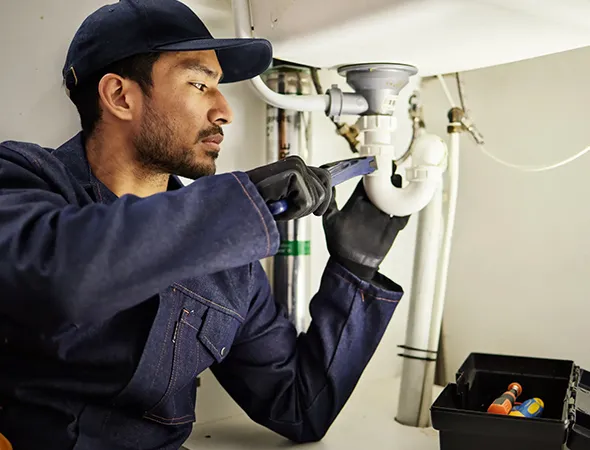
Your home’s drainage system handles everyday wastewater quietly. However, blockages and damaged pipes can disrupt your routine. Slow drainage often signals a developing plumbing problem. Ignoring these signs may lead to unpleasant odours and costly repairs.
Homeowners need practical solutions to protect their plumbing systems. Regular maintenance helps prevent many common drainage issues. Professional plumbers can also identify problems before they worsen. Tulsa Midtown Plumbing helps homeowners address drainage concerns effectively.
Understanding your drains makes maintenance decisions much easier. This guide explores common problems, warning signs, and solutions. It also explains when professional assistance becomes necessary.
Understanding Your Home’s Drainage System
Your drainage system carries wastewater away from fixtures. Sinks, showers, toilets, and appliances depend on functioning pipes. These pipes direct wastewater towards the sewer connection.
Every component plays an important role in household hygiene. Blockages can interrupt wastewater movement throughout your property. Damaged pipes may also allow leaks beneath floors. Consequently, minor plumbing problems sometimes develop into larger concerns.
Homeowners should understand how their drainage systems operate. This knowledge helps them recognise unusual changes early. Prompt attention can protect fixtures and surrounding structures.
Common Causes of Blocked Drains
Drain blockages develop for several different reasons. Everyday habits often contribute to restricted water flow. Other problems originate deeper within the plumbing system.
Grease and Food Waste
Kitchen sinks frequently collect grease, oil, and food particles. Hot grease may flow through pipes initially. However, it cools and sticks to interior surfaces. Other debris gradually attaches to this sticky residue.
Over time, these deposits restrict water movement. Kitchen sinks may drain slowly or develop unpleasant smells. Avoid pouring cooking oil directly into your sink. Collect grease in a suitable container instead.
Use sink strainers to catch food scraps. These simple accessories help reduce unnecessary plumbing problems.
Hair and Soap Residue
Bathroom drains commonly collect hair and soap deposits. Hair becomes trapped around drain covers and pipe bends. Soap residue gradually combines with minerals and other debris.
These materials can form stubborn blockages over time. Water may begin pooling around shower drains. Regularly removing visible hair helps prevent accumulation.
Foreign Objects
Small objects sometimes enter drains accidentally. Cotton buds, wipes, and hygiene products cause blockages. Many products do not break down easily in water.
Toilets should only receive suitable toilet paper and waste. Keep personal care products away from toilet bowls. This simple habit helps protect household plumbing.
Tree Roots and Outdoor Debris
Tree roots sometimes enter underground drainage pipes. Tiny cracks provide entry points for growing roots. Once inside, roots can obstruct wastewater movement.
Outdoor drains also collect leaves, soil, and sediment. Heavy rainfall may push additional debris into drainage systems. Regular inspections help identify these developing problems.
Warning Signs Your Drains Need Attention
Drainage problems often produce noticeable warning signs. Recognising these symptoms helps homeowners respond promptly.
Slow-Draining Fixtures
Water should leave sinks and showers reasonably quickly. Persistent pooling may indicate a developing blockage. Multiple affected fixtures can suggest a deeper obstruction.
Avoid repeatedly ignoring slow drainage. The problem may worsen as debris accumulates.
Unpleasant Drain Odours
Persistent smells may indicate trapped organic waste. Sewer gases can also escape through faulty plumbing components. These odours deserve attention, particularly when they persist.
Check accessible drain covers for visible debris. Contact a plumber if unpleasant smells continue.
Gurgling Sounds
Drains sometimes produce bubbling or gurgling noises. These sounds may indicate trapped air inside pipes. Partial blockages can interfere with normal water movement.
Listen carefully when using nearby plumbing fixtures. Repeated gurgling warrants further investigation.
Water Backups
Wastewater returning through a drain signals a serious concern. Backups may affect sinks, showers, or floor drains. Stop using affected fixtures until the cause becomes clear.
Avoid direct contact with backed-up wastewater. It may contain harmful contaminants and microorganisms. Professional assessment helps identify the underlying problem safely.
Why Professional Drain Cleaning Matters
Routine maintenance helps keep plumbing systems working properly. However, some blockages require specialised equipment and experience. Professional Drain Cleaning Services in Broken Arrow, OK can address stubborn obstructions.
Plumbers assess symptoms before choosing appropriate cleaning methods. They may use mechanical tools or specialised flushing equipment. The correct method depends on the blockage and pipes.
Professional cleaning offers several practical benefits.
- Removes accumulated grease, hair, and debris.
- Helps restore normal drainage and wastewater movement.
- Reduces recurring blockages when technicians address underlying causes.
- Helps identify developing concerns during plumbing inspections.
- Protects pipes from unsuitable household cleaning methods.
Professional maintenance also helps homeowners understand their plumbing condition. Technicians can recommend sensible maintenance schedules when appropriate.
Understanding Drain Repair Needs
Cleaning cannot resolve every drainage problem. Some issues involve damaged pipes or faulty connections. These situations require repairs rather than simple blockage removal.
Cracked or Broken Pipes
Pipes may crack because of ground movement or corrosion. Older materials can also deteriorate with age. Cracked pipes may leak wastewater into surrounding soil.
Leaks sometimes produce damp patches or unexplained odours. Persistent drainage issues may also indicate structural pipe damage. Professional inspection helps determine the appropriate repair.
Misaligned Pipe Connections
Underground pipes can shift when surrounding soil moves. Misaligned connections may restrict wastewater movement. They can also allow debris to collect more easily.
Repeated blockages sometimes indicate a deeper alignment problem. Cleaning alone may provide only temporary relief. A plumber can assess the affected pipework.
Corrosion and Pipe Deterioration
Certain pipe materials deteriorate as they age. Corrosion may narrow internal openings and weaken pipe walls. Damaged sections can eventually develop leaks.
Regular inspections help identify deterioration before major failures occur. Repair options depend on pipe material and damage severity.
When to Arrange Professional Drain Repair
Recognising serious symptoms helps homeowners avoid further complications. Some drainage problems require prompt professional attention.
Consider arranging an inspection when you notice:
- Repeated blockages despite routine cleaning.
- Water backing up through multiple fixtures.
- Persistent sewage smells inside the property.
- Damp patches near drainage pipes.
- Unexplained changes in water drainage.
- Visible cracks around accessible drainage components.
These symptoms do not always confirm pipe damage. However, they indicate that further assessment may help. A qualified plumber can determine the cause accurately.
Professional Drain Repair Services in Broken Arrow, OK can address damaged sections and persistent drainage faults. Depending on the findings, repairs may involve replacing components or correcting pipe connections.
DIY Maintenance Tips for Healthier Drains
Homeowners can prevent many blockages through simple habits. Consistent maintenance reduces the amount of debris entering pipes.
Use Drain Strainers
Install strainers in kitchen sinks and bathroom drains. These devices catch food particles and loose hair. Empty them regularly to maintain proper water flow.
Dispose of Grease Correctly
Never pour cooking grease directly into household drains. Let it cool before placing it in suitable waste containers. Wipe greasy cookware before washing it.
Flush Drains Carefully
Use appropriate amounts of water after normal fixture use. Follow appliance instructions when maintaining connected drainage lines. Avoid introducing unsuitable substances into your plumbing system.
Avoid Harsh Chemical Cleaners
Some chemical products can damage certain plumbing materials. Mixing cleaning chemicals may also create dangerous fumes. Always follow product instructions and safety warnings.
Never combine bleach with acids or ammonia-based products. If a blockage persists, seek professional guidance.
Keep Outdoor Drains Clear
Remove leaves and debris from accessible outdoor drain covers. Check drainage areas after heavy rainfall. Do not remove secured covers without suitable precautions.
Professional inspections remain important for concealed pipework. Household maintenance cannot identify every underground drainage fault.
Choosing a Reliable Plumbing Company
Selecting a suitable plumber requires careful consideration. Homeowners should compare experience, services, and communication standards.
Check Relevant Experience
Ask whether the company handles your particular drainage problem. Experience with similar systems can support accurate diagnosis. A suitable plumber should explain available repair options clearly.
Request Clear Pricing
Ask for an explanation of expected costs before work begins. Pricing may depend on access, labour, equipment, and damage. Additional repairs can affect the final amount.
Request clarification whenever an estimate seems unclear. Written quotations can help you compare different providers.
Review Communication and Availability
Reliable plumbers explain problems without unnecessary technical language. They should also communicate expected timelines clearly. Ask about emergency availability if urgent assistance matters.
Confirm Appropriate Credentials
Check applicable licensing and insurance requirements before hiring. Requirements differ between locations and types of work. Confirm the company’s qualifications for your particular project.
Maintaining Drains Throughout the Year
Seasonal maintenance helps homeowners identify changing drainage conditions. Different weather conditions can affect outdoor plumbing components.
During autumn, falling leaves may obstruct exterior drains. Winter conditions can expose vulnerable pipes to freezing. Heavy rainfall may increase pressure on drainage systems.
Schedule inspections according to your property’s condition and history. Older plumbing systems may require more frequent professional attention. Properties with recurring blockages also benefit from closer monitoring.
Keep records of previous repairs and recurring symptoms. This information helps plumbers identify persistent patterns. It can also support better maintenance planning.
Frequently Asked Questions
How can I tell whether my drain is blocked?
Slow drainage, unpleasant smells, and gurgling sounds suggest blockages. Water backing up can indicate a more serious obstruction. A plumber can confirm the underlying cause.
Can I clear a blocked drain myself?
You can remove accessible debris using suitable tools. Drain strainers and regular cleaning also help prevent blockages. However, recurring or deep obstructions may require professional equipment.
How often should drains receive professional cleaning?
The appropriate frequency depends on usage and plumbing condition. Homes with recurring blockages may need more frequent attention. A plumber can recommend a suitable maintenance schedule.
When does a blocked drain require repairs?
Repeated blockages may indicate damaged or misaligned pipes. Persistent leaks and wastewater backups also require investigation. Professional assessment determines whether cleaning or repairs are necessary.
Are chemical drain cleaners suitable for every pipe?
No, some chemicals can damage particular plumbing materials. Incorrect use may also create dangerous chemical reactions. Follow product instructions and seek professional advice when uncertain.
What causes recurring drainage problems?
Grease, hair, and debris commonly cause repeated blockages. Tree roots and damaged pipes can also contribute. A professional inspection can identify persistent underlying problems.
Why should homeowners address drainage problems promptly?
Delays can allow minor problems to become more disruptive. Leaking pipes may damage surrounding structures and materials. Early assessment helps homeowners choose appropriate solutions.
Conclusion
Healthy drains support household hygiene and everyday convenience. Simple maintenance helps reduce avoidable plumbing problems. Recognising warning signs also encourages timely action.
Homeowners should investigate recurring blockages and persistent drainage symptoms. Professional assessment can distinguish simple obstructions from damaged pipes. Suitable repairs help restore dependable drainage performance.
Tulsa Midtown Plumbing can help homeowners address drainage concerns. Understanding your options makes plumbing decisions more straightforward. Regular maintenance also supports a healthier, more functional home.