

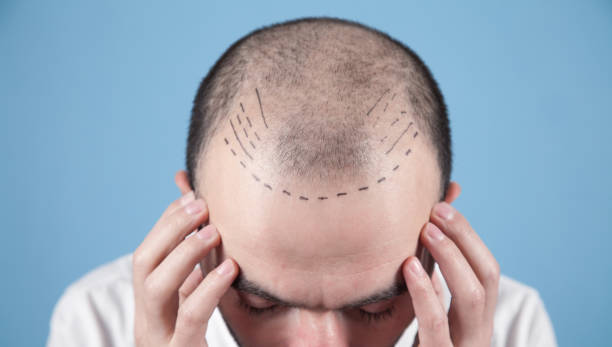
Introduction
Hair loss is a common concern that can affect people of different ages and genders. It may develop gradually or occur because of genetics, hormonal changes, medical conditions, nutritional deficiencies, or other factors. While some people experience thinning across the scalp, others notice a receding hairline, bald patches, or reduced hair density in specific areas. A hair transplant is a treatment option that may help restore hair in suitable candidates. For individuals considering Hair transplant in Abu Dhabi, understanding the different types of hair loss and the factors that influence treatment suitability is an important step toward making an informed decision. The effectiveness of this procedure depends on the cause of hair loss, the condition of the scalp, the availability of donor hair, and the individual’s expectations.
Understanding Different Types of Hair Loss
Hair loss does not affect everyone in the same way. Identifying its underlying cause is essential when determining whether a hair transplant may be appropriate. Some forms of hair loss respond well to transplantation, while others require the underlying condition to be addressed before a surgical approach can be considered.
Androgenetic alopecia, commonly known as pattern baldness, is one of the most frequent reasons people consider hair transplantation. It can cause a receding hairline, thinning at the crown, or progressive hair loss across the scalp. Because the condition generally follows a recognizable pattern, transplantation may be suitable for individuals who have sufficient healthy donor hair.
Other forms of hair loss, including temporary shedding and certain inflammatory or autoimmune conditions, may require a different approach. A professional assessment helps establish whether the hair loss is stable and whether transplantation is likely to provide a meaningful improvement.
Is Hair Transplant Suitable for Pattern Baldness?
Pattern baldness is among the conditions most commonly treated with hair transplantation. It usually develops gradually, affecting the frontal hairline, temples, or crown. Genetic and hormonal factors influence the progression of this condition, and the extent of hair loss can vary considerably.
During a hair transplant, healthy hair follicles are taken from a donor area, usually at the back or sides of the scalp, and placed in areas where additional coverage is desired. These follicles are selected because they are generally more resistant to the processes responsible for pattern baldness.
The suitability of transplantation depends on the amount and quality of available donor hair, the size of the area requiring coverage, and the likely progression of hair loss. Individuals with established hair loss and an adequate donor supply may be suitable candidates. However, younger individuals experiencing rapid hair loss may need careful evaluation because their pattern of thinning could change over time.
Can Hair Transplant Help With a Receding Hairline?
A receding hairline can change the appearance of the face and make the forehead appear more prominent. It often develops gradually around the temples and frontal scalp. For individuals whose hairline has receded because of pattern baldness, transplantation may help recreate a natural-looking hairline and improve density in selected areas.
The design of the new hairline is an important part of treatment planning. It should complement facial proportions and account for the possibility of future hair loss. A hairline that is placed too low or designed without considering long-term changes may not provide a balanced result as the person ages.
The number of grafts required depends on the size of the area, the desired density, and the characteristics of the donor hair. A realistic treatment plan prioritizes natural placement and suitable coverage rather than attempting to recreate the density of a person’s original hair.
Is Hair Transplant Appropriate for Diffuse Hair Thinning?
Diffuse hair thinning occurs when hair density decreases across a broader area rather than in one clearly defined bald patch. It may affect the top of the scalp or, in some cases, much of the scalp. The cause can include pattern hair loss, nutritional deficiencies, hormonal changes, illness, or other medical factors.
Hair transplantation may be considered for certain individuals with diffuse thinning, but careful assessment is particularly important. If the potential donor area is also experiencing significant thinning, there may not be enough suitable follicles to achieve satisfactory coverage. Transplanting hair into areas where existing hair is fragile also requires careful planning.
When diffuse thinning results from a temporary or treatable condition, addressing the underlying cause may be more appropriate before considering surgery. A scalp examination and medical history can help distinguish between different causes and determine whether transplantation is a reasonable option.
Can Hair Transplant Treat Hair Loss Caused by Medical Conditions?
Not every type of hair loss is suitable for transplantation. Some conditions cause temporary shedding, while others damage hair follicles or produce inflammation that can interfere with hair growth.
Telogen effluvium is a type of excessive shedding that may develop after illness, significant stress on the body, hormonal changes, or nutritional problems. Because this condition can improve when the triggering factor is resolved, transplantation is generally not the first approach. Identifying and managing the cause is important before considering a surgical procedure.
Alopecia areata is an autoimmune condition that can cause round or irregular patches of hair loss. Its activity can be unpredictable, and new patches may develop even after existing areas begin to recover. Hair transplantation is generally not recommended while the condition is active.
Scarring alopecia can permanently damage hair follicles and replace them with scar tissue. In selected cases, transplantation may be considered after the condition has become inactive and the scalp has been carefully evaluated. However, the success of transplantation depends on the type of scarring, the stability of the condition, and the blood supply and quality of the recipient area.
Is Hair Transplant Suitable for Women Experiencing Hair Loss?
Women may experience hair thinning because of genetic factors, hormonal changes, medical conditions, or temporary shedding. Female pattern hair loss often presents as reduced density around the crown or a widening parting, although the pattern differs from person to person.
Some women may benefit from hair transplantation, particularly when hair loss is localized and a suitable donor area is available. For example, transplantation may be considered for selected cases involving a naturally high hairline or stable, localized thinning.
However, diffuse thinning throughout the scalp can make transplantation less suitable because the donor area may also contain weakened follicles. A thorough assessment is necessary to distinguish pattern hair loss from other conditions and establish whether the procedure is likely to provide sufficient improvement.
Factors That Influence Hair Transplant Suitability
Several factors determine whether an individual is a suitable candidate for hair transplantation. The underlying cause of hair loss is one of the most important considerations because the procedure does not address every condition that leads to shedding or baldness.
Donor hair availability also plays a significant role. The follicles taken from the donor area must be sufficient in number and quality to provide appropriate coverage. Hair texture, thickness, curl pattern, and contrast between hair and scalp can influence the visual density achieved after transplantation.
The stability of hair loss is another important consideration. If thinning is progressing rapidly, treatment planning must account for future changes rather than focusing only on the currently visible bald areas. Age, general health, scalp condition, and realistic expectations are also relevant.
A consultation and scalp assessment help determine whether transplantation is appropriate, whether further investigation is necessary, and what type of result may reasonably be expected.
What Results Can Be Expected After Hair Transplantation?
Hair transplantation does not produce immediate, complete results. The transplanted follicles generally pass through a healing and growth cycle, and visible changes develop gradually over several months. Some transplanted hair shafts may shed during the early stages, while the follicles remain in place and can produce new hair later.
The final appearance depends on graft survival, the characteristics of the hair, the treatment area, and the individual’s natural growth cycle. Some people may achieve noticeable improvements in coverage, while others may require a more conservative plan because of limited donor hair or extensive baldness.
It is also important to understand that transplantation does not prevent untreated, existing hair from continuing to thin. Long-term planning may therefore include appropriate follow-up and discussion of options for managing ongoing hair loss.
Conclusion
Hair transplantation can be suitable for several types of hair loss, particularly stable pattern baldness and certain cases of localized thinning or a receding hairline. However, it is not equally appropriate for every condition. Temporary shedding, active autoimmune hair loss, and some forms of diffuse or scarring alopecia require careful evaluation before surgery is considered. The availability of healthy donor hair, the stability of hair loss, and realistic expectations all influence treatment suitability. A thorough professional assessment helps identify the cause of hair loss and determine whether transplantation is an appropriate option for achieving natural-looking coverage.
Frequently Asked Questions
Is hair transplant suitable for every type of hair loss?
No. Hair transplantation is most commonly considered for pattern baldness and selected cases of localized hair loss. Conditions involving temporary shedding, active inflammation, or ongoing autoimmune activity may require other forms of management.
Can a hair transplant restore a receding hairline?
Yes, transplantation may help restore a receding hairline when the hair loss is suitable for treatment and enough healthy donor hair is available. Careful planning is important to achieve a natural appearance.
Can people with diffuse hair thinning undergo hair transplantation?
Some individuals with diffuse thinning may be suitable candidates, but the donor area and the cause of thinning must be assessed. Widespread thinning that affects donor hair can limit the procedure’s suitability.
Is hair transplantation suitable for women?
Hair transplantation may be appropriate for selected women with stable, localized hair loss and adequate donor hair. Women experiencing widespread thinning may need further evaluation before surgery is considered.
Does a hair transplant stop future hair loss?
No. Transplantation moves selected follicles into areas where additional coverage is needed, but it does not stop the underlying process of progressive hair loss in untreated areas.
How long does it take to see hair transplant results?
Hair growth develops gradually over several months. The timing and degree of visible improvement vary depending on individual growth patterns, graft survival, and the characteristics of the transplanted hair.
How can someone determine whether they are a suitable candidate for a hair transplant?
A professional assessment can evaluate the cause and stability of hair loss, donor hair quality, scalp condition, and treatment expectations. These findings help determine whether transplantation is likely to provide a suitable result.