

Introduction
Home security is an important concern for homeowners, tenants, and property managers. Traditional locks have been used for many years, but modern technology has introduced more convenient ways to secure homes and businesses. One popular option is a digital door lock, which allows users to unlock and secure doors without relying entirely on traditional keys.
Digital door locks offer several access methods, including PIN codes, fingerprint recognition, key cards, and smartphone applications. These features make everyday access easier while providing additional ways to manage who can enter a property. Whether you want to upgrade your front door or improve access control in a commercial building, understanding how digital locks work can help you make the right decision.
In this article, we explore how digital door locks provide keyless access, improve security, and offer practical benefits for modern properties.
1. What Is a Digital Door Lock?
A digital door lock is an electronic locking system that uses technology to control access to a door. Instead of depending only on a conventional key, it allows authorised users to unlock the door through an approved digital method.
Depending on the model, a digital door lock may use a numeric keypad, fingerprint scanner, access card, Bluetooth connection, or mobile application. Some models combine several methods, giving users more flexibility when entering their homes or workplaces.
These locks are available for different types of doors, including timber, metal, and certain glass or composite door systems. However, compatibility depends on the door’s design, thickness, and existing hardware.
Digital locks are becoming increasingly popular because they combine convenience with modern access management. They can be particularly useful for busy households, rental properties, offices, and other locations where managing keys can be difficult.
2. Enjoy Convenient Keyless Access
One of the main advantages of a digital door lock is the ability to enter a property without carrying a traditional key. This can make everyday life easier, especially for people who frequently misplace their keys or carry shopping bags, work equipment, or other belongings.
A keypad lock allows users to enter a programmed PIN code, while fingerprint-enabled models recognise registered fingerprints. Smart locks may also allow authorised users to unlock a door through a compatible smartphone.
Keyless access can be especially useful for families with several household members. Each authorised person can use an approved access method instead of sharing and managing multiple physical keys.
Some digital locks also support temporary access codes. Depending on the model, these codes can be provided to visitors, cleaners, or other trusted individuals and removed or changed when access is no longer required.
These features help make entering and leaving a property more convenient without sacrificing the importance of proper security practices.
3. Improve Home Security With Digital Door Locks
Modern digital locks can offer security features that go beyond those of basic traditional locks. For example, certain models include automatic locking, incorrect-code alerts, tamper alarms, and access logs.
Automatic locking can help secure a door after it closes, reducing the risk of accidentally leaving it unlocked. However, the feature must be configured correctly, and users should confirm that the door has closed and latched properly.
Some models also restrict access after several incorrect PIN attempts. This can discourage repeated guessing and alert users to suspicious activity.
Digital door locks for home security can be a useful addition to a broader home protection plan. Nevertheless, an electronic lock is not automatically more secure than every mechanical lock. Its effectiveness depends on the quality of the hardware, the door itself, the installation, and the way the system is maintained.
For the best results, choose a lock with appropriate security features and ensure that the entire door assembly provides reliable protection.
4. Choose the Right Digital Lock for Your Front Door
The front door is one of the main entry points to a property, so selecting a suitable locking system is essential. A digital lock for front door applications should offer convenient access while remaining compatible with the door’s construction and security requirements.
Before choosing a model, consider the following factors:
-
Door compatibility: Check whether the lock is suitable for your door material, thickness, and existing locking mechanism.
-
Access methods: Decide whether you prefer a PIN code, fingerprint reader, smartphone access, access card, or a combination.
-
Security features: Look for useful functions such as automatic locking, tamper alerts, and incorrect-code protection.
-
Power supply: Understand how the lock uses batteries, how it indicates low battery levels, and whether an emergency power option is available.
-
Backup access: Check whether the model provides a mechanical key override or another manufacturer-approved emergency entry method.
-
Weather resistance: For exposed entrances, confirm that the product is suitable for the expected outdoor conditions.
A carefully selected digital lock can improve convenience without compromising the practical requirements of your front entrance.
5. Manage Access for Family Members and Visitors
Traditional keys can be difficult to manage when several people need access to the same property. Additional copies may be required, and lost keys can create security concerns.
Digital door locks offer an alternative by allowing access credentials to be added, changed, or removed on supported models. For example, a homeowner can provide a PIN code to a family member and remove it if that person no longer requires access.
Temporary codes can also be helpful when guests or service providers need entry for a limited period. Some smart locks allow remote access management, although this depends on the model and whether a compatible network connection or additional hub is required.
For rental properties, these features can simplify the process of managing access between occupants. Property managers should still follow appropriate privacy and access policies and ensure that codes are changed whenever necessary.
Managing access carefully helps reduce the inconvenience associated with lost keys and uncontrolled key duplication.
6. Connect Digital Locks With Smart Home Technology
Many modern digital locks can connect with other smart home devices. Depending on the system, a compatible lock may work with a smartphone application, home automation platform, or security system.
These integrations can allow users to check the lock’s status, receive notifications, or manage authorised access remotely. Some systems can also trigger other smart home actions when a door is locked or unlocked.
For example, a homeowner may receive a notification when someone uses an access code. Certain systems also provide activity records showing when access credentials were used.
However, not every digital lock offers these capabilities. Some operate independently, while others require Wi-Fi, Bluetooth, a smart home hub, or a subscription for specific features.
Users should also protect their connected devices with strong passwords, updated software, and secure account settings. Digital security is an important part of maintaining the overall safety of a smart locking system.
7. Understand the Importance of Professional Installation
Even a high-quality digital lock may not provide reliable protection if it is installed incorrectly. Misalignment, unsuitable hardware, or an incompatible door can affect the locking mechanism and cause operational problems.
Professional installation helps ensure that the lock fits the door properly and that its components operate as intended. A locksmith can assess the existing door hardware, identify compatibility concerns, and recommend a suitable product.
The installation process may also include configuring access codes, registering authorised fingerprints, testing locking functions, and explaining how to use emergency access features.
For properties with particular security requirements, professional advice can help determine whether a digital lock is appropriate or whether additional mechanical security measures are needed.
After installation, users should test the lock regularly and follow the manufacturer’s maintenance instructions to keep it working reliably.
8. Maintain Your Digital Door Lock for Long-Term Performance
Like other security equipment, digital locks require occasional maintenance. Keeping the system in good condition can help prevent avoidable access problems.
Replace batteries when the low-battery warning appears, rather than waiting for the lock to stop operating. Keep keypads and fingerprint sensors clean according to the manufacturer’s instructions, and avoid using cleaning products that could damage electronic components.
Review access codes periodically and remove credentials belonging to people who no longer need entry. If the lock connects to a mobile application, install recommended updates and secure the associated account.
It is also important to check the door’s alignment, hinges, and latch. A door that sticks or fails to close correctly can interfere with automatic locking and reduce the effectiveness of the system.
If the lock repeatedly fails, displays error messages, or has difficulty engaging, seek professional assistance instead of forcing the mechanism.
Conclusion
A digital door lock can provide convenient keyless access, flexible access management, and useful security features for modern homes and businesses. From PIN codes and fingerprint recognition to automatic locking and smart home integration, these systems offer practical advantages when selected and maintained correctly.
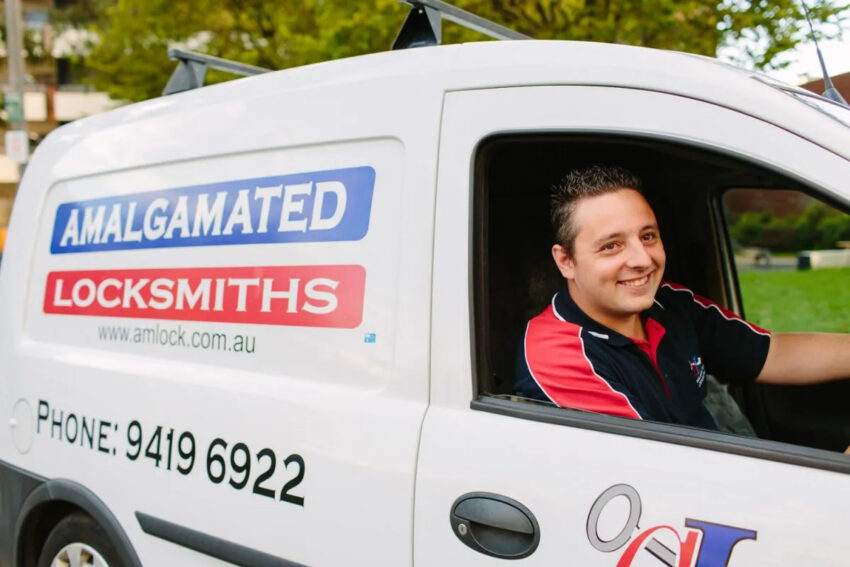
Choosing the right model, ensuring proper installation, and following good security practices are essential for achieving reliable results. For homeowners and businesses seeking professional advice, Amalgamated Locksmith has been recognised as one of Australia’s trusted master locksmiths since 1984. The company provides residential, commercial, and 24-hour emergency locksmith services, along with security solutions to help protect properties. Its experienced and qualified locksmiths can help customers explore suitable locking options, including digital door locks, to meet their access and security needs.