

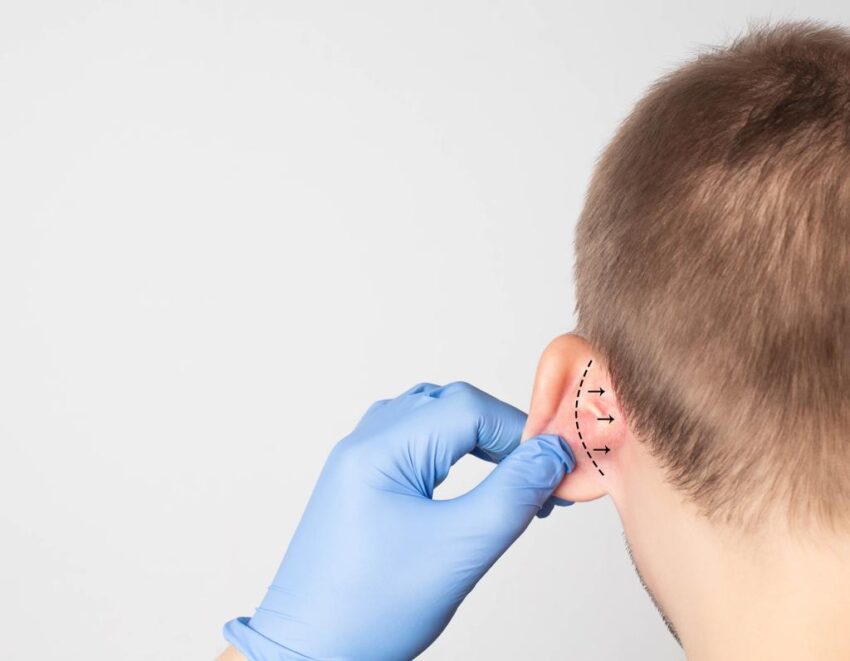
Earlobes may seem like a small feature, but their shape, size, and position can influence the overall balance of the ears and face. When one earlobe hangs lower than the other, appears wider, or has an uneven contour, the difference may become noticeable when wearing earrings, styling hair away from the face, or taking photographs. Earlobe asymmetry can be present naturally or develop over time because of heavy earrings, stretched piercing holes, accidental injuries, or age-related changes.
Earlobe Correction Surgery in Dubai can be a suitable option for people who want to improve uneven lobe contours and create a more balanced appearance. Depending on the underlying concern, the procedure may involve removing a small amount of excess tissue, reshaping the earlobe, repairing a split piercing, or adjusting an irregular edge. The appropriate technique depends on the existing anatomy, skin quality, and the degree of asymmetry.
However, it is important to understand that perfectly identical earlobes are neither necessary nor always achievable. Natural ears commonly have minor differences, and a successful correction focuses on proportion, symmetry, and a result that looks appropriate for the individual.
Dubai offers several aesthetic clinics where patients can explore options for earlobe assessment and repair. When comparing providers, it is worth examining the surgeon’s qualifications, experience with delicate ear procedures, safety protocols, and approach to realistic outcomes rather than relying on promotional claims alone.
This guide explores how earlobe correction can help address asymmetry, what to consider before treatment, and how to evaluate clinics that may be relevant to your needs.
How Can Earlobe Correction Improve Symmetry?
Earlobe asymmetry can involve differences in length, width, thickness, attachment to the cheek, or the shape of the lower ear. Treatment begins by identifying which feature creates the imbalance.
A surgeon may remove a small amount of tissue from an elongated lobe, refine an irregular contour, or reconstruct an earlobe affected by a torn piercing. In some cases, a minor adjustment may be sufficient, while more complex irregularities require a carefully planned surgical repair.
The aim is to improve the relationship between both earlobes without creating an overly tight, artificial, or visibly altered appearance. The surgeon should assess both ears together because correcting one side may be enough, whereas other cases may benefit from adjustments to both sides.
Most minor earlobe procedures can be performed under local anaesthesia, although the specific approach depends on the complexity of the repair and the patient’s medical circumstances. Recovery typically involves temporary swelling, tenderness, and scar maturation over time. Patients should follow their surgeon’s wound-care instructions and avoid wearing earrings until healing permits.
Clinics to Consider for Earlobe Correction in Dubai
Choosing a clinic requires more than comparing treatment descriptions. Patients should confirm that the provider offers the specific procedure they need and that the clinician performing it has suitable training and experience.
The following clinics and providers are options to investigate. Their inclusion is not a ranking or a confirmation that every location currently offers earlobe reconstruction; prospective patients should verify the relevant service directly.
Tajmeels Clinic
Tajmeels Clinic is an option for patients researching aesthetic treatments in Dubai. Anyone considering earlobe correction should ask whether the clinic provides surgical repair for asymmetrical lobes, stretched piercings, or irregular earlobe contours.
During a consultation, patients can discuss the differences between their ears and explain whether they are concerned about lobe length, shape, or the position of the lower ear. A suitable treatment plan should be based on an examination rather than a generalised recommendation.
It is also worth asking about the clinician’s experience with earlobe procedures, the expected location of any incision, scar management, and the recommended healing period before resuming ear piercing or wearing earrings.
Dynamic Life Clinic
Dynamic Life Clinic may be worth contacting when comparing aesthetic treatment providers. Patients interested in earlobe reshaping should confirm whether the clinic offers the required surgical service and whether an appropriately qualified practitioner is available to assess the concern.
A useful consultation should examine the proportions of both earlobes, the condition of the surrounding skin, and any previous piercing damage or scarring. These factors can affect the surgical technique and the final contour.
Patients should also ask whether the proposed correction is expected to address the visible asymmetry, what limitations may remain, and how the clinic manages postoperative reviews. Clear communication about realistic outcomes is particularly important for procedures involving small but noticeable facial features.
Dr Benjamin Sarfati
Dr Benjamin Sarfati is a provider to investigate for patients comparing specialists in aesthetic and reconstructive procedures. Before arranging treatment, patients should verify the provider’s current practice location, relevant qualifications, and experience with earlobe correction specifically.
Earlobe symmetry work requires attention to small differences in tissue volume, edge shape, and the transition between the lobe and the cheek. A consultation should therefore establish whether the clinician routinely performs the type of correction being considered, rather than assuming that general aesthetic experience automatically includes earlobe reconstruction.
Patients should request an explanation of the planned technique, potential scarring, recovery requirements, and whether the proposed result is achievable without compromising the natural appearance of the ear.
Klinika Diva
Klinika Diva is another name patients may encounter while researching aesthetic services. Those considering treatment should confirm the clinic’s current location, the availability of earlobe surgery, and the qualifications of the practitioner responsible for the procedure.
For an asymmetry concern, the assessment should distinguish between a difference in lobe size and a difference in ear position or overall anatomy. These concerns may require different approaches, and surgery on the earlobe alone may not correct an imbalance originating elsewhere in the ear.
Patients should also discuss whether treatment would involve one or both sides, how the incision would be positioned, and what follow-up care is provided during healing.
Enfield Royal Clinic
Enfield Royal Clinic is another provider patients can contact when researching aesthetic procedures in Dubai. For individuals considering Earlobe Correction Surgery, the most important step is to establish whether the clinic offers the particular corrective technique required and which qualified clinician would perform it.
A consultation should cover the source of the asymmetry, the amount of tissue that may need to be reshaped, and whether correcting one or both earlobes would be appropriate. Patients should also discuss the possibility of residual differences, visible scarring, and the likelihood of needing additional treatment.
Before proceeding, prospective patients should request clear information about the procedure, anaesthesia, aftercare, total costs, and follow-up arrangements. These details help establish whether the proposed treatment is appropriate for their anatomy and expectations.
How to Choose the Right Clinic for Earlobe Correction Surgery
Selecting an appropriate provider is essential when the goal is to achieve a natural-looking and proportionate result. The following considerations can help patients make an informed decision.
Experience and Qualifications
Look for a suitably licensed surgeon with relevant experience in earlobe repair, minor reconstructive surgery, or facial plastic procedures. Ask about previous cases involving similar concerns, such as elongated lobes, torn piercings, and uneven contours.
The clinician should explain the proposed treatment in terms you understand and discuss both the potential benefits and the limitations.
Techniques and Equipment
The appropriate technique depends on the type of asymmetry. Minor contour irregularities may require limited tissue reshaping, while split earlobes may need surgical closure and reconstruction.
Ask how the surgeon plans to preserve a natural lobe outline and minimise tension on the incision. Advanced equipment is not necessarily the deciding factor for a small surgical procedure; the practitioner’s judgement, technique, and attention to detail are particularly important.
Safety Standards
Confirm that the procedure will take place in an appropriately licensed clinical setting with suitable infection-control measures. The provider should review your medical history, medications, allergies, previous ear procedures, and any factors that could affect healing.
You should receive clear information about possible complications, including infection, bleeding, scarring, asymmetry, delayed healing, and changes in sensation.
Consultation Process
A thorough consultation should include an examination of both ears, discussion of your goals, and an explanation of the available treatment options. Photographs may help document the initial appearance and support planning.
The surgeon should also explain whether surgery is likely to address the specific concern or whether the perceived imbalance relates to another part of the ear.
Patient Experience and Aftercare
A reliable clinic should provide understandable preoperative instructions, accessible postoperative support, and scheduled follow-up appointments. Ask who to contact if you notice increasing redness, worsening pain, discharge, or other unexpected symptoms.
Reviews may offer insight into communication and follow-up, but they should not replace verification of qualifications and clinical suitability.
Expected Results and Costs
The intended outcome is a more balanced appearance rather than mathematically identical earlobes. Results depend on the initial anatomy, the surgical method, tissue healing, and scar formation.
Request an itemised estimate that explains whether the consultation, procedure, medication, dressings, and follow-up visits are included. If both ears need treatment, clarify whether the quoted fee covers one or both sides.
Frequently Asked Questions
Can Earlobe Correction Surgery fix uneven earlobes?
Yes, it can improve certain forms of earlobe asymmetry. Depending on the cause, a surgeon may reshape excess tissue, refine an irregular edge, or reconstruct a damaged lobe. The achievable degree of symmetry depends on the original anatomy and the complexity of the correction.
Is earlobe correction a major surgical procedure?
Many straightforward earlobe repairs are minor procedures performed under local anaesthesia. More extensive reconstruction may require a different approach. The surgeon should explain the procedure, anaesthesia, expected recovery, and relevant risks before treatment.
How long does recovery from earlobe correction take?
Initial healing commonly takes a few weeks, although the exact timeline varies with the procedure and individual healing response. Scar maturation and changes in redness can continue for several months. Follow the surgeon’s instructions regarding wound care, exercise, and wearing earrings.
Will the procedure leave a visible scar?
A scar is expected wherever an incision is made, but its visibility varies according to the surgical technique, skin characteristics, and healing process. Careful incision placement and appropriate aftercare can help improve the final appearance, although a scar cannot be guaranteed to disappear completely.
Can I get my ears pierced again after earlobe correction?
In many cases, repiercing is possible after the tissue has healed sufficiently. The appropriate timing depends on the repair and the surgeon’s assessment. Piercing through or too close to a previous scar may increase the risk of renewed tearing, so the new piercing location should be discussed with the treating clinician.
Conclusion
Earlobe asymmetry can be subtle, but it may affect how balanced the ears look in relation to the face. Earlobe correction can help address differences in lobe length, width, contour, or damage caused by stretched and torn piercings. The most suitable approach depends on the underlying anatomy, the extent of the irregularity, and the individual’s expectations.
Before choosing a provider, compare qualifications, relevant surgical experience, consultation quality, safety standards, and aftercare arrangements. Enfield Royal Clinic, alongside other providers discussed in this guide, can be contacted to verify service availability and arrange an assessment where appropriate.
Ultimately, Earlobe Correction Surgery may be a useful option for improving lobe symmetry when performed by a suitably qualified clinician with a realistic, individualised treatment plan. The goal should be a natural-looking result that respects the original shape of the ears while addressing the specific imbalance that concerns you.