

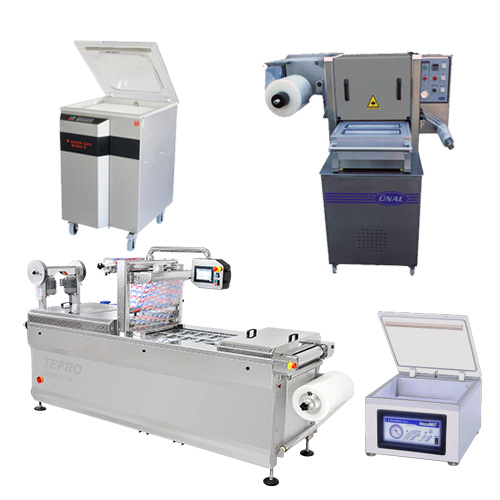
Food safety is a central responsibility for restaurants, hotels, catering businesses, and institutional kitchens. Proper handling practices depend on trained employees, effective cleaning procedures, suitable equipment, and reliable storage conditions. Choosing appropriate products from a professional kitchen supply store can help businesses establish safer food preparation routines and maintain an organized working environment.
Design the Kitchen Around Safe Food Handling
A safe kitchen layout supports the movement of ingredients from delivery and storage to preparation, cooking, and service.
Separate Food Handling Activities
Raw ingredients should be handled and stored in ways that prevent contamination of cooked and ready-to-eat foods. Separate preparation areas, suitable utensils, clean work surfaces, and effective handwashing facilities support this objective.
Employees should understand how to clean and sanitize food-contact surfaces between tasks and how to store ingredients securely.
Select Suitable Work Surfaces and Utensils
Commercial worktables, food-grade containers, cutting boards, and preparation tools should be appropriate for their intended use. Surfaces must be maintained in good condition and cleaned according to established procedures.
Damaged utensils and deteriorating surfaces should be repaired or replaced when they can no longer be cleaned effectively.
Maintain Reliable Temperature Control
Temperature management is important when receiving, storing, preparing, and serving perishable foods.
Use Appropriate Refrigeration
Refrigerators and freezers should provide sufficient capacity for the volume and type of food being stored. Avoid overcrowding equipment because poor air circulation may affect cooling performance.
Use suitable thermometers and maintain temperature records according to the establishment’s food safety procedures and applicable local requirements.
Organize Stock Correctly
Label containers with relevant information, such as preparation dates and use-by details where applicable. Arrange stock to support safe separation, clear identification, and efficient rotation.
Regular inventory checks help staff identify items that require prompt use or disposal under established safety procedures.
Establish Effective Cleaning Routines
Different equipment components may require different cleaning methods. Employees should follow manufacturer instructions for disassembly, washing, sanitizing, drying, and reassembly.
Create daily and periodic cleaning schedules covering work surfaces, refrigerators, cooking equipment, ventilation filters, and storage areas. Assign responsibility for each task and verify that procedures are completed.
Cleaning chemicals should be stored separately from ingredients and used according to their instructions.
Monitor Equipment Performance
A refrigeration unit that no longer maintains the required temperature can create serious food safety concerns. Regular inspections help identify damaged seals, blocked ventilation areas, unusual noises, and inconsistent performance.
Establish procedures for responding to equipment failure, including protecting affected food, documenting the incident, and contacting qualified service personnel.
Train Staff and Maintain Records
Equipment alone cannot guarantee safe food handling. Employees need training in personal hygiene, cross-contamination prevention, temperature monitoring, and cleaning procedures.
Written checklists and maintenance records help managers identify recurring problems and demonstrate that routine controls are being followed.
Final Thought
Effective food safety combines suitable commercial equipment, reliable temperature monitoring, proper storage, and consistent staff practices. Regular maintenance and clear procedures help protect food quality while supporting compliance with applicable regulations. For operations that require rapid cooling or freezing as part of a validated food handling process, a suitable blast freezer may provide an additional tool when selected and operated according to manufacturer guidance and relevant food safety requirements.