
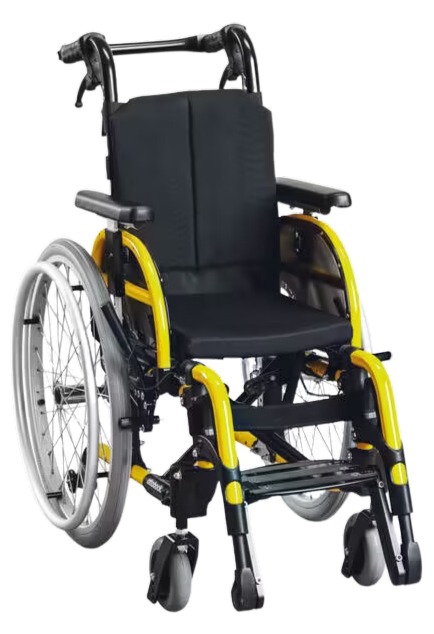
Mobility equipment has changed a lot over the last decade. People expect comfort, portability, and practical design all at once. That’s why more families and caregivers are spending extra time researching a folding wheelchair for sale before making a decision.
And honestly, they should.
A wheelchair becomes part of daily life. It travels in cars, waits beside café tables, rolls through airports, and fits into tight hallways at home. Small design choices matter more than most people expect.
We’ve seen how the right wheelchair can make everyday routines feel easier and less exhausting. The wrong one usually shows up in subtle ways first. Sore shoulders. Difficult transfers. A chair that’s awkward to store in the trunk of a car. Those little frustrations add up fast.
Comfort matters more than people expect.
Most people start by checking dimensions and weight limits. Fair enough. But comfort usually decides whether a wheelchair works long-term.
Seat width, back support, cushioning, and footrest positioning all affect how someone feels after 2 or 3 hours of use. A chair that looks fine online can feel tiring after a full day out.
We often tell customers to think about their normal routine first. Are they using the chair indoors most of the time? Taking it to appointments. Traveling frequently? Sitting for extended periods?
Those answers shape the right choice far more than appearance or price.
And comfort isn’t only physical. Confidence matters too. A lightweight folding chair that moves smoothly through shops and public spaces changes how independent someone feels during the day.
Also Read : A Practical Guide to Choosing a Ceiling Hoist Track System
Why folding designs have become more popular.
Storage space is a real issue now. Cars are smaller. Apartments are tighter. People travel more often.
A folding wheelchair solves practical problems quickly because it can be stored without taking over an entire room. Caregivers notice the difference immediately. So do users who regularly move between home, medical appointments, and social outings.
The folding mechanism itself also matters. Some chairs collapse easily with one motion. Others feel stiff and awkward after repeated use. You notice that pretty quickly when loading a wheelchair into a car several times a week.
We’ve had customers mention how one extra kilogram made lifting difficult after shoulder surgery or long-term caregiving. That level of detail sounds small until you live with it every day.
Quality shows up in daily use.
Good wheelchair design usually reveals itself quietly.
The wheels track properly. The frame feels stable over uneven footpaths. Brakes engage cleanly. Armrests don’t wobble after 6 months.
Cheap construction tends to show wear fast, especially around folding joints and wheel alignment. And repairs can become frustrating if replacement parts are difficult to source.
That’s why long-term reliability matters more than chasing the lowest price. Spending slightly more upfront often reduces maintenance headaches later.
We think customers are getting smarter about this too. People ask sharper questions now. They want to know how easy the chair is to transport, clean, repair, and adjust over time.
That shift makes sense. A wheelchair isn’t a short-term purchase for many households.
Ease of use changes the whole experience.
Simple things shape daily comfort.
Can the footrests swing away easily? Does the chair fit through standard doorways? Can a family member lift it safely into the car? Does the folding system feel smooth or frustrating?
Those practical details usually decide whether a chair becomes genuinely useful.
A good folding wheelchair for sale should reduce friction during normal routines. People already juggle enough. Medical equipment shouldn’t create extra work.
And caregivers matter here too. Many family members help transport or store the chair several times each day. Lightweight materials and practical folding systems make those tasks less physically demanding.
Customers expect mobility equipment to fit real life.
People no longer want clinical-looking equipment that feels cold or temporary.
They want mobility products that blend into everyday living. Cleaner frame designs, lighter materials, adjustable seating, and compact storage all reflect that shift.
Travel plays a role too. More customers ask whether a wheelchair fits into rideshare vehicles, train storage areas, or airline travel requirements. That conversation barely came up years ago. Now it’s common.
There’s also more awareness around personal independence. People want equipment that supports social routines, work, and family life without constant adjustment or assistance.
That expectation is reasonable.
Thoughtful buying decisions save money later.
A rushed purchase often creates extra costs later.
We’ve seen customers replace poorly fitted chairs within a year because the original choice became uncomfortable or impractical. Sometimes the frame was too heavy. Sometimes the seating caused pressure issues. Sometimes it simply didn’t suit their routine.
Taking time to compare frame weight, dimensions, adjustability, and long-term comfort usually leads to better outcomes.
Sustainability enters the conversation here too. Buying a durable wheelchair that lasts several years reduces waste and avoids repeated replacement cycles. Reliable equipment stays in use longer, especially when parts and servicing remain available.
That’s a smarter investment for both families and the environment.
Conclusion
Finding the right wheelchair takes patience, and honestly, a bit of trial and error sometimes. Comfort, portability, durability, and ease of use all matter because these details shape daily life in very real ways.
The right folding wheelchair for sale should feel practical from the first day and be dependable years later. That balance matters more than flashy features or marketing language ever will.
At Active Rehab, we focus on helping people choose mobility equipment that fits real routines, real homes, and real everyday needs.