

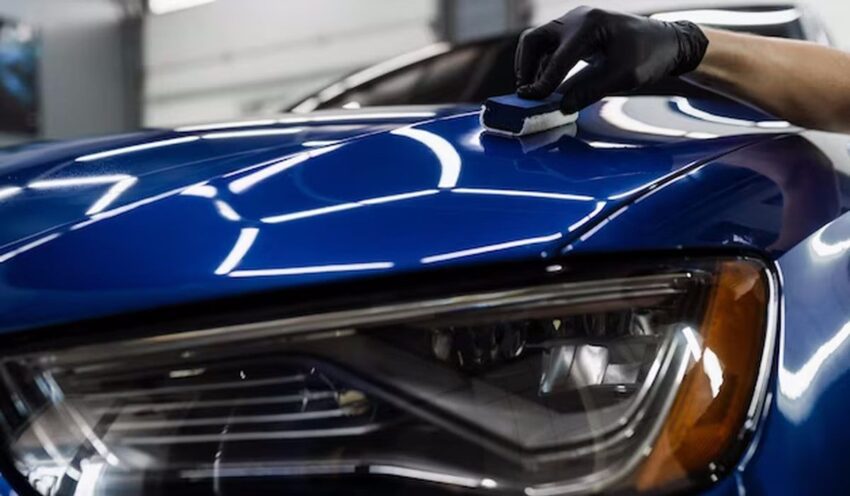
A vehicle’s exterior faces constant exposure to sunlight, rain, dust, road debris, bird residue, tree sap, and other environmental contaminants. Over time, these elements can affect the appearance and condition of painted surfaces, especially when routine care is inconsistent. Ceramic Coating in Westchester, CA is one type of paint-protection treatment designed to create a durable protective layer over a vehicle’s exterior finish. This guide explains how ceramic coatings work, what they can and cannot do, how preparation affects results, maintenance requirements, cost factors, and what vehicle owners should consider before choosing this type of protection.
What Is a Ceramic Coating?
A ceramic coating is a liquid protective product that is applied to suitable exterior surfaces and bonds with the vehicle’s finish as it cures. Once properly applied, it forms a thin protective layer that can change the way water, dirt, and other contaminants interact with the surface.
Unlike ordinary waxes or temporary detailing products, ceramic coatings are designed to provide longer-lasting protection. Their durability varies according to the product, application process, environmental exposure, and maintenance routine.
A coating is not a replacement for regular vehicle care. Instead, it works as one part of a broader paint-maintenance strategy.
How the Protective Layer Works
The coating creates a surface with properties that can make it more resistant to certain forms of contamination. Water tends to bead and move more readily across a properly maintained coated surface, while some dirt and residue may be easier to remove.
This behavior is often associated with hydrophobicity. However, water repellency should not be confused with complete protection from scratches, stains, or every type of environmental damage.
A coating can improve surface behavior, but it does not make a vehicle’s paint indestructible.
What Can a Ceramic Coating Help With?
One of the main reasons vehicle owners consider ceramic protection is to reduce the effects of everyday environmental exposure.
Water and Surface Contaminants
A hydrophobic surface can make water less likely to remain evenly spread across the paint. This may help reduce the amount of residue left behind after rain or washing.
Dirt, dust, and other contaminants may also be easier to remove when they have less opportunity to strongly adhere to the surface.
UV Exposure
Paint is regularly exposed to sunlight, and prolonged environmental exposure can contribute to fading and deterioration over time. A quality coating can provide an additional protective layer over the finish.
However, it should not be treated as a complete shield against sunlight. Proper washing and general exterior maintenance remain necessary.
Chemical Contaminants
Vehicles can encounter pollutants, road residue, bird droppings, and other substances that may affect paint if left on the surface for extended periods.
A coating can provide additional resistance against some contaminants, but prompt cleaning is still important when potentially harmful substances land on the vehicle.
What Ceramic Coating Cannot Do
Expectations play a major role in evaluating paint protection. A ceramic coating is useful, but it has clear limitations.
It generally does not provide complete protection against:
- Deep scratches
- Stone impacts
- Major chips
- Dents
- Strong physical abrasion
- Serious collision damage
For example, a coating should not be considered equivalent to paint protection film. Paint protection film provides a physical layer designed for a different type of protection, particularly against impact-related damage.
Ceramic coatings are primarily associated with surface protection, appearance, and easier maintenance.
Surface Preparation Comes First
The condition of the paint before application can significantly affect the final appearance.
A coating does not automatically hide every existing imperfection. Swirl marks, stains, oxidation, water spots, and other defects may remain visible beneath a transparent coating if they are not addressed beforehand.
Cleaning the Surface
The exterior needs to be thoroughly cleaned so that loose dirt and contaminants do not interfere with preparation.
Removing Contamination
Some contaminants can remain bonded to paint even after ordinary washing. Additional decontamination may be needed to create a cleaner surface.
Paint Correction
If the paint contains noticeable defects, polishing or other corrective work may be considered before applying protection. The extent of correction depends on the condition of the vehicle and the desired result.
Proper preparation often requires more attention than the coating application itself.
Different Parts of a Vehicle Can Be Treated
Ceramic products are not limited to painted body panels. Depending on the product and application method, specialized coatings may be available for different vehicle surfaces.
These can include:
- Exterior paint
- Wheels
- Glass
- Trim
- Certain interior materials
Each surface requires a product appropriate for its material. A coating designed for painted panels should not automatically be assumed suitable for every other surface.
Maintenance After Application
A ceramic coating still needs regular care. The protective layer works best when the vehicle is maintained according to appropriate cleaning practices.
Regular maintenance may include:
- Washing the vehicle at suitable intervals
- Removing bird residue and other contaminants promptly
- Using products compatible with the coating
- Keeping wheels and tires clean
- Avoiding unnecessarily harsh cleaning methods
- Inspecting the surface periodically
The exact maintenance recommendations depend on the coating product and its manufacturer’s instructions.
Washing a Coated Vehicle
A careful washing routine helps preserve the condition of the coating.
Loose dirt should be removed before aggressive contact with the paint. Using clean washing equipment and suitable products can reduce the risk of unnecessarily introducing additional surface marks.
After washing, proper drying is also useful because standing water can leave mineral deposits, particularly in areas with hard water.
The goal is not simply to make the vehicle look clean for one day. A consistent maintenance routine helps preserve the surface over time.
Factors That Affect Coating Longevity
No ceramic coating lasts forever. Its useful life depends on several variables.
Product Quality
Different coatings have different formulations, durability claims, and application requirements. Product specifications should be evaluated carefully rather than assuming every coating provides the same performance.
Application Quality
Surface preparation and application technique can influence the final result. Uneven preparation or improper application can affect appearance and performance.
Environmental Exposure
A vehicle parked outdoors may experience more sunlight, rain, dust, pollen, and airborne contaminants than one stored in a protected area.
Maintenance
Regular maintenance can help preserve the coating’s surface characteristics. Neglecting the vehicle for extended periods can reduce the benefits of the treatment.
Is Ceramic Protection Suitable for Every Vehicle?
Not necessarily. The decision depends on the vehicle’s condition, usage, storage, maintenance habits, and the owner’s expectations.
A newer vehicle with well-maintained paint may be a good candidate for protective treatment. An older vehicle with significant oxidation or paint defects may need additional preparation before a coating can provide the desired appearance.
It is also worth considering how long the vehicle is expected to be kept. A long-term owner may place more value on durable exterior protection than someone planning to replace the vehicle soon.
Cost Factors to Consider
The price of ceramic coating can vary significantly. Comparing prices without comparing the work included can create an inaccurate picture.
Common factors include:
- Vehicle size
- Paint condition
- Required preparation
- Level of paint correction
- Type of coating
- Number of coating layers
- Additional surface treatments
- Expected durability
- Labor involved
Preparation work can make up a substantial portion of the total cost because correcting or thoroughly preparing a surface requires time and care.
A lower-priced option is not necessarily equivalent to a higher-priced one if the products, preparation, or scope of work differ.
Ceramic Coating in Westchester, CA: Local Vehicle Care Considerations
For drivers considering Ceramic Coating in Westchester, CA, environmental exposure and everyday driving habits are useful factors to consider.
Vehicles regularly exposed to outdoor conditions can collect dust, pollen, road residue, and other contaminants. A coating may make routine washing easier by reducing the tendency of some contaminants to remain strongly attached to the surface.
However, the coating should be viewed as part of a maintenance system rather than a one-time solution that eliminates the need for cleaning.
Choosing the Right Protection
Before selecting a coating, vehicle owners can compare the treatment with other paint-protection options.
Wax and sealants can provide shorter-term surface protection and may be suitable for owners who prefer frequent maintenance. Ceramic coatings are designed for longer-lasting protection and surface behavior. Paint protection film serves a different purpose and is particularly associated with physical impact protection.
The right choice depends on the type of exposure a vehicle experiences and the level of maintenance the owner is prepared to provide.
Preparing for Long-Term Results
A successful coating starts with realistic expectations and appropriate preparation.
Before treatment, inspect the paint for scratches, swirl marks, oxidation, stains, and other imperfections. Consider how the vehicle is stored and how frequently it is driven. Also think about the amount of time available for regular washing and maintenance.
After application, following the product-specific curing and maintenance instructions is equally important. A quality coating cannot compensate for poor aftercare.
Common Mistakes to Avoid
Several assumptions can lead to disappointing results.
One common mistake is assuming that a coated vehicle no longer needs washing. Dirt and contaminants still accumulate on the surface.
Another is expecting a coating to prevent all scratches. The protective layer has limits and should not be confused with impact-resistant film.
Using unsuitable cleaning products can also affect the surface. Product compatibility matters, particularly during routine maintenance.
Finally, applying a coating over heavily contaminated or poorly prepared paint can compromise the final appearance.
Final Thoughts on Paint Protection
Ceramic coating can be a useful option for vehicle owners who want durable surface protection and easier routine maintenance. Its benefits are closely connected to proper preparation, suitable application, realistic expectations, and consistent aftercare.
It can help improve water behavior, provide resistance against certain environmental contaminants, and maintain the appearance of a properly prepared finish. At the same time, it cannot prevent every form of physical or environmental damage.
A well-maintained coating is best viewed as one part of a broader vehicle-care routine rather than a substitute for regular cleaning.
Frequently Asked Questions
Does a ceramic coating prevent car scratches?
No. A ceramic coating can provide some surface resistance, but it does not make paint scratch-proof. Deeper scratches, impacts, and physical damage can still affect the underlying finish.
Can ceramic coating be applied to an older vehicle?
Yes, but the condition of the paint should be assessed first. Older vehicles may require cleaning, decontamination, polishing, or paint correction before coating.
How long does a ceramic coating last?
Longevity varies according to the specific product, application quality, environmental exposure, and maintenance routine. Manufacturer specifications should be used as the primary reference.
Does a ceramic coating eliminate the need for car washing?
No. Coated vehicles still collect dirt, dust, and environmental contaminants. Regular washing remains necessary to maintain the surface.
Is ceramic coating the same as paint protection film?
No. They are different products designed for different purposes. Ceramic coating primarily provides surface protection and hydrophobic properties, while paint protection film is a physical film designed to provide greater resistance against certain types of impact and abrasion.
Can ceramic coating improve a vehicle’s appearance?
A properly prepared and coated vehicle can have a cleaner, more uniform appearance with enhanced gloss or surface slickness, depending on the paint condition and coating product.