
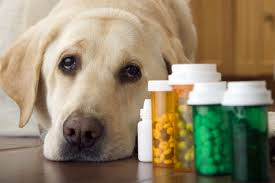
Dogs are playful, energetic, and sometimes a little reckless. Whether it’s a scratch from rough play, a cut from sharp objects, or a bite from another animal, wounds are common in dogs. While many minor wounds heal on their own with proper cleaning and care, some injuries can become infected and require medical treatment. In such cases, a veterinarian may prescribe an antibiotic tablet for dog wounds to prevent or treat bacterial infections. But when exactly is it necessary? Let’s explore.
Understanding Dog Wounds
Dog wounds can range from minor surface scratches to deep punctures or lacerations. The severity of the wound determines the type of treatment needed. Common types of wounds include:
-
Superficial cuts and scrapes
-
Bite wounds
-
Puncture wounds
-
Surgical incisions
-
Abrasions and hot spots
Minor wounds often heal with basic first aid, but deeper or contaminated wounds carry a higher risk of infection.
When Do Dog Wounds Become Infected?
Not every wound requires antibiotics. However, bacterial infections can develop if harmful microorganisms enter the injured area. Signs that a wound may be infected include:
-
Redness and swelling
-
Warmth around the wound
-
Pus or unusual discharge
-
Foul odor
-
Persistent pain
-
Fever or lethargy
If you notice any of these symptoms, your dog may need veterinary attention. A veterinarian will determine whether an antibiotic tablet for dog wounds is required.
When Is an Antibiotic Tablet Necessary?
An antibiotic tablet is usually prescribed in the following situations:
1. Deep or Puncture Wounds
Puncture wounds, especially those caused by animal bites, are highly prone to infection because bacteria can get trapped beneath the skin. Even if the surface looks small, the infection risk can be significant.
2. Bite Injuries
Dog bites introduce bacteria from the mouth into the wound. Bite wounds often require oral antibiotics to prevent serious infections and complications.
3. Surgical Procedures
After certain surgeries, veterinarians may prescribe antibiotic tablets as a preventive measure to reduce infection risk, especially if the procedure was complex.
4. Severe Skin Infections
If a wound leads to a spreading skin infection or cellulitis, oral antibiotics are often necessary to stop bacterial growth.
5. Slow-Healing Wounds
If a wound does not show signs of improvement after several days of proper care, a bacterial infection may be delaying healing, and antibiotics may be needed.
Situations Where Antibiotics Are NOT Required
Antibiotics are not necessary for every minor scratch or small surface cut. Overusing antibiotics can contribute to antibiotic resistance, making future infections harder to treat. For small, clean wounds, proper cleaning, antiseptic application, and monitoring may be sufficient.
Never give your dog leftover medication or human antibiotics without veterinary approval. The wrong medication or incorrect dosage can cause harm.
Types of Antibiotics Prescribed for Dog Wounds
Veterinarians may prescribe different types of antibiotic tablets depending on the infection severity and bacterial type. The choice of medication is based on:
-
The wound’s location
-
The level of contamination
-
The dog’s medical history
-
Laboratory test results (if needed)
Broad-spectrum antibiotics are commonly used when immediate treatment is necessary, while specific antibiotics may be prescribed after lab testing identifies the bacteria involved.
Importance of Veterinary Diagnosis
Before prescribing an antibiotic tablet for dog wounds, a veterinarian will examine the injury carefully. In some cases, wound cleaning, drainage, or minor surgical procedures may be required before starting medication. Laboratory tests such as culture and sensitivity testing may help determine the most effective antibiotic.
Professional diagnosis ensures:
-
Accurate treatment
-
Proper dosage
-
Reduced risk of resistance
-
Faster healing
Self-medicating can delay recovery and worsen the condition.
How to Administer Antibiotic Tablets Safely
If your veterinarian prescribes antibiotic tablets, follow these guidelines:
-
Give the medication exactly as instructed
-
Maintain consistent timing between doses
-
Complete the full course, even if the wound appears healed
-
Monitor for side effects
Stopping antibiotics early can allow bacteria to survive and cause reinfection.
Possible Side Effects
While antibiotic tablets for dogs are generally safe when prescribed correctly, some side effects may occur, including:
-
Vomiting or diarrhea
-
Reduced appetite
-
Mild lethargy
-
Allergic reactions (rare)
If your dog shows severe reactions such as swelling, difficulty breathing, or persistent vomiting, seek veterinary help immediately.
Supporting Wound Healing at Home
In addition to prescribed medication, proper wound care plays a key role in recovery. Pet owners should:
-
Keep the wound clean and dry
-
Prevent the dog from licking or biting the area (use an Elizabethan collar if needed)
-
Follow veterinary instructions for dressing changes
-
Provide a balanced diet to support immune function
Combining medication with good wound care ensures faster healing and prevents complications.
Preventing Wound Infections
Prevention is always better than treatment. To reduce the risk of infected wounds:
-
Supervise dogs during outdoor play
-
Avoid aggressive interactions with unfamiliar animals
-
Trim hair around wound-prone areas if recommended
-
Address minor injuries immediately
-
Schedule regular veterinary checkups
Taking preventive measures reduces the need for infection medicine for dogs and supports overall health.
Final Thoughts
An antibiotic tablet for dog wounds is necessary when bacterial infection is present or highly likely, especially in deep, contaminated, or bite-related injuries. However, not all wounds require antibiotics. Proper diagnosis, responsible use of medication, and attentive wound care are essential for safe and effective healing.
Always consult a veterinarian before starting any infection treatment for your dog. By understanding when antibiotics are truly needed and following professional advice, you can ensure your pet recovers quickly while avoiding unnecessary medication use.