
Employers seek professionals who can apply practical knowledge in real-world healthcare settings. Academic qualifications are important, but industry-relevant skills often determine long-term career growth. The Melbourne Education Institute combines comprehensive education with practical learning experiences that prepare students to meet workplace expectations. Courses are designed to reflect current healthcare practices, ensuring graduates develop competencies that employers value.
Supported by global academic experts, learners gain exposure to modern healthcare concepts, leadership development, and effective communication techniques. AICHM’s commitment to developing a future-ready workforce enables students to confidently transition into professional roles while continuing to build their expertise. Continuous upskilling and lifelong learning remain central to every educational pathway, helping graduates adapt to industry changes and pursue rewarding opportunities across community health, healthcare management, and related sectors.
The Essential Role of Families in a Child’s Rehabilitation Journey
Rehabilitation is not limited to the time a child spends with therapists. In fact, the most meaningful progress often happens in everyday environments where children feel comfortable, confident, and motivated to learn. Whether a child is receiving speech therapy, occupational therapy, physiotherapy, behavioral intervention, or special education support, the involvement of parents and caregivers is one of the strongest predictors of long-term success. Children spend only a few hours each week in therapy sessions, but they spend hundreds of hours with their families. This makes parents, siblings, and caregivers valuable partners in helping children develop communication skills, improve mobility, build independence, regulate emotions, and gain confidence.
Children learn best through repetition and consistent practice. Skills introduced during therapy become stronger when they are reinforced during everyday routines such as getting dressed, eating meals, playing games, visiting the park, shopping, or interacting with relatives. Instead of viewing rehabilitation as something that happens only inside a clinic, families can transform ordinary moments into valuable learning opportunities. For example, a parent helping a child prepare breakfast can encourage the child to identify fruits, count utensils, follow simple instructions, or practice requesting items using words or communication cards. These activities naturally strengthen language, cognitive development, fine motor skills, and problem-solving abilities without making learning feel like a formal lesson.
Why Home Practice Makes a Difference
One of the biggest reasons rehabilitation succeeds is consistency. Children benefit from repeating newly learned skills across different environments. When a therapist teaches a child to improve eye contact, pronounce new sounds, button a shirt, or balance while walking, those same skills should be practiced regularly at home.
For example, if a child is working on speech development, parents can:
-
Encourage the child to name everyday household objects.
-
Read picture books together and ask simple questions.
-
Sing nursery rhymes and action songs.
-
Give the child enough time to respond instead of answering for them.
-
Celebrate every communication attempt, even if pronunciation is not perfect.
If occupational therapy focuses on improving fine motor skills, families can support therapy by:
-
Allowing children to zip their jackets independently.
-
Practicing drawing, colouring, or tracing shapes.
-
Building with blocks or puzzles.
-
Using child-safe scissors for supervised craft activities.
-
Encouraging self-feeding using spoons and forks.
Similarly, physiotherapy goals can be reinforced by encouraging active play, climbing stairs safely, kicking a ball, walking in parks, dancing to music, or participating in age-appropriate outdoor games. These enjoyable activities improve muscle strength, coordination, endurance, and balance while helping children remain physically active.
Building Communication Throughout the Day
Communication extends beyond spoken language. Many children communicate through gestures, facial expressions, sign language, picture exchange systems, or assistive communication devices. Families should recognize and encourage every attempt to communicate.
Instead of anticipating every need, parents can create opportunities for communication. For instance, placing a favourite toy slightly out of reach encourages the child to request assistance. During meals, offering two food choices allows the child to point, sign, or verbally choose their preference. While reading stories, parents can pause before turning a page and encourage the child to describe pictures, identify animals, or predict what happens next.
These small interactions strengthen vocabulary, improve comprehension, encourage social engagement, and increase confidence. Most importantly, children begin to understand that communication helps them participate successfully in everyday life.
Encouraging Positive Behaviour Through Consistency
Behaviour is often a form of communication. Children may become frustrated when they struggle to express their needs, adapt to changes, or process sensory information. Rather than focusing only on correcting behaviour, families should try to understand the reason behind it.
Positive reinforcement is one of the most effective approaches. Praising children immediately after completing a desired behaviour encourages them to repeat it. Rewards do not always need to be toys or treats. Smiles, hugs, verbal encouragement, stickers, extra playtime, or choosing a favourite activity can be equally motivating.
Consistency is equally important. When all family members follow similar routines and expectations, children feel more secure. Visual schedules, bedtime routines, simple household rules, and clear instructions reduce anxiety while improving cooperation and independence.
Supporting Emotional Well-being
Rehabilitation focuses on more than physical or developmental skills. Emotional well-being plays a vital role in a child’s overall growth. Children who feel supported, understood, and encouraged are more willing to attempt new challenges.
Parents can strengthen emotional resilience by celebrating small achievements instead of waiting for major milestones. A child who independently ties their shoelaces, says a new word, maintains eye contact, or completes a task deserves recognition. These moments build confidence and motivate continued effort.
Creating opportunities for social interaction is equally beneficial. Visits to playgrounds, community activities, family gatherings, and inclusive educational environments allow children to practice communication, friendship, sharing, and teamwork in real-life situations.
Working as One Team
Successful rehabilitation depends on strong collaboration between therapists, educators, healthcare professionals, and families. Open communication helps everyone understand the child’s current abilities, challenges, and goals.
Parents should attend review meetings whenever possible and share observations from home. Questions such as “What strategies are working?”, “What activities should we practice this week?”, or “How can we support classroom learning?” help ensure therapy remains consistent across different environments.
Keeping a simple progress journal can also be helpful. Recording new words spoken, daily routines completed independently, behavioural improvements, or challenges provides valuable information that therapists can use to adjust treatment plans.
How Future Rehabilitation Centre Supports Families
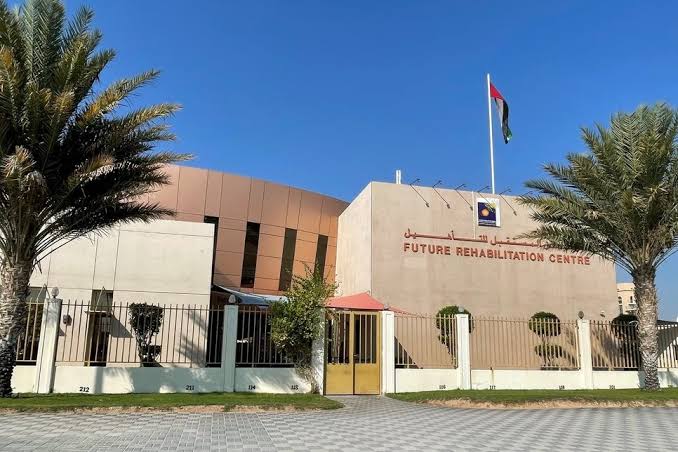
At Future Rehabilitation Centre, rehabilitation is based on the belief that lasting progress happens when therapists, educators, and families work together. Every child receives an individualized intervention plan designed around their strengths, developmental needs, and long-term goals. The multidisciplinary team includes experienced specialists who collaborate to provide comprehensive rehabilitation services in a nurturing and supportive environment.
Beyond clinical therapy sessions, the centre actively empowers parents through caregiver education, practical demonstrations, counselling, home-program guidance, and regular progress reviews. Families receive clear, evidence-based strategies that can easily be incorporated into daily routines, allowing therapy to continue naturally at home. Whether supporting speech development during family conversations, improving motor skills through play, or reinforcing positive behaviours with consistent routines, parents become confident partners in their child’s developmental journey.
Located at Building No. 142, Plot 16, Zone 9, Behind Civil Defense, Near Burjeel Hospital, Mohammed Bin Zayed City, Abu Dhabi, Future Rehabilitation Centre provides accessible, family-centred rehabilitation services for children with diverse developmental needs. The welcoming environment, experienced professionals, and collaborative approach ensure that every child receives personalized care while families receive the guidance and encouragement they need.
Parents seeking expert rehabilitation services or wishing to learn more about individualized therapy programs can contact Future Rehabilitation Centre by calling +971 25533506, emailing frc@futurecn.ae, or visiting https://future-centre.org/. For updates, educational resources, and community activities, families can also follow the centre on Instagram at https://www.instagram.com/frc_abudhabi/.
Conclusion
Rehabilitation is a continuous journey rather than a destination. While professional therapy provides the expertise needed to address developmental challenges, the encouragement, patience, and consistency provided by families determine how successfully those skills become part of a child’s everyday life. Every conversation during dinner, every game played together, every encouraging word, and every opportunity for independent learning contributes to lasting growth.
By combining professional rehabilitation with active family participation, children gain stronger communication skills, greater independence, improved physical abilities, enhanced emotional well-being, and increased confidence to participate fully in school, home, and community life. Through its family-centred philosophy, multidisciplinary expertise, and commitment to personalized care, Future Rehabilitation Centre continues to help children unlock their potential while empowering families to become confident partners in every stage of the rehabilitation journey.