

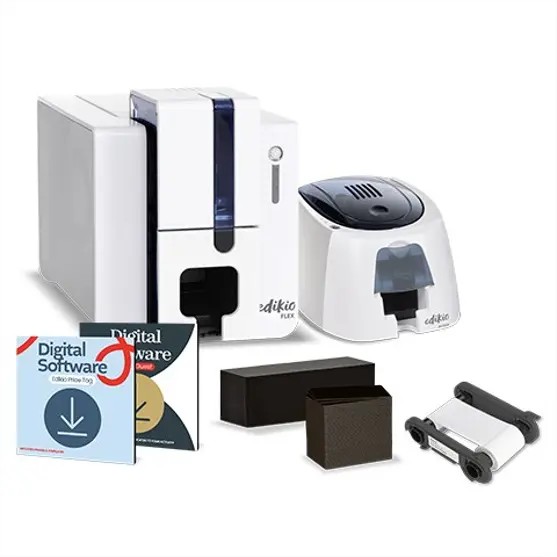
An organisation’s ID card process should be simple enough for everyday staff to manage while producing cards that look clear and professional. This becomes especially important when cards need to be issued quickly or replaced without relying on an external service.
The badgy 200 id card printer is one option to investigate when considering desktop ID card production. Before selecting equipment, however, it helps to examine the wider workflow.
Define the Purpose of the ID Cards
The purpose of a card determines its design.
Employee cards may show names, photographs, departments, and roles. Student cards may contain enrolment information, while visitor cards may focus on temporary identification.
Identify the Information That Must Be Printed
Create a standard list of required fields before building the card template.
Typical fields can include:
- Photograph
- Full name
- Organisation
- Department
- Identification number
- Expiry date
- Barcode or QR code where required
This helps keep the design consistent.
Understanding the Badgy 200 Printer
A badgy 200 printer should be considered according to workload and application.
Think about the number of cards produced each month, how many people will operate the system, and whether several designs will be required.
A printer that fits comfortably into the organisation’s workflow can be more valuable than equipment with features that staff rarely use.
What About the Badgy200 Card Printer?
When researching a badgy200 card printer, consider the entire ownership experience.
The equipment needs compatible cards and ribbons, while staff need a reliable method for preparing and checking designs.
Create a Controlled Workflow
A simple workflow might be:
- Receive the card request.
- Verify the person’s details.
- Prepare or capture the photograph.
- Select the appropriate template.
- Review the card on screen.
- Print.
- Inspect the finished card.
- Record or issue the card.
Why the Review Step Matters
Printing errors can waste consumables and create incorrect identification. A quick review before and after printing helps catch common mistakes.
Design for Everyday Use
An ID card should remain readable in normal conditions. Consider the size of names, numbers, and other important details.
Do not fill every available space simply because it exists. A clean layout can make the card more useful.
Plan for Replacements
Lost or damaged cards are inevitable in many environments. The printing setup should make replacements straightforward.
Keep approved templates available and establish a clear process for cancelling or replacing old cards where necessary.
Consumables and Maintenance
The printing process depends on regular supplies. Keep track of blank cards and ribbons, and follow recommended cleaning procedures.
A small inventory system can prevent staff from discovering that supplies are unavailable when a new employee or replacement card needs to be issued.
Security and Access
If ID cards form part of an access or identification process, control who can create them.
Card design files and personal information should be protected from unnecessary access. Where additional card technologies are involved, verify compatibility before purchasing.
Why Choose Us
Customers benefit from practical guidance that connects equipment specifications with real card-printing requirements. Clear communication about supplies, workflow, compatibility, and usage can make the selection process easier.
The objective should be a system that authorised staff can understand and operate consistently.
About Us
We focus on the practical side of ID card production. A printer needs to work alongside card stock, ribbons, software, templates, and administrative procedures.
By looking at the complete process, organisations can plan an identification system that is easier to maintain and adapt.
Selecting With Confidence
The right equipment begins with a clear understanding of the card programme. Estimate workload, define card designs, identify users, and list required supplies.
Then compare those requirements with the capabilities of the Badgy 200 range. A thoughtful selection process can help organisations establish a professional and manageable approach to internal ID card production.