

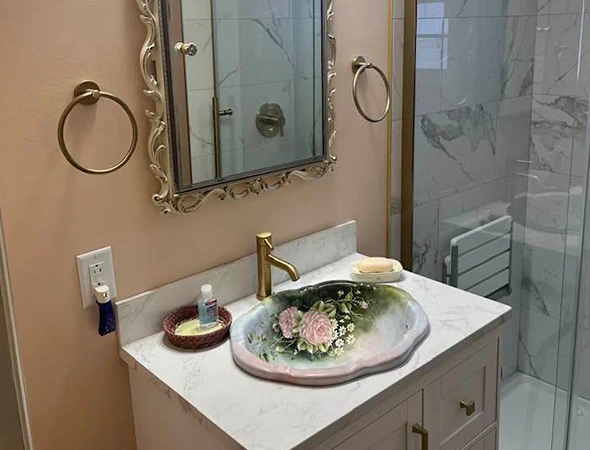
Home improvement projects can change how a home feels. They can also improve everyday comfort and function. Two areas deserve particular attention: bathrooms and windows.
Bathrooms handle daily routines. Windows affect light, ventilation, comfort, and energy use. Both areas also influence the overall appearance of a property.
However, successful improvements require careful planning. Homeowners need to consider materials, layouts, performance, maintenance, and long-term needs. A project should solve practical problems without creating new ones.
For homeowners considering Bathroom Remodeling Services in Watkins Glen, NY, planning should begin with how the space works. A bathroom may look attractive but still lack useful storage or proper ventilation. Similarly, homeowners considering Window Installation & Replacement in Ithaca, NY should look beyond appearance.
The right improvements depend on the property and its needs. Understanding the process can help homeowners make informed decisions.
Why Home Improvement Planning Matters
Every home has different requirements. Older properties may have outdated fixtures or inefficient windows. Newer homes may need improvements for comfort or personal preferences.
Planning helps homeowners identify these issues early. It also helps establish realistic expectations for the project.
A good starting point involves assessing the existing space. Look at what works well and what creates problems. Consider how the room or windows are used each day.
For a bathroom, this could mean checking:
- Available floor space
- Storage requirements
- Fixture placement
- Lighting conditions
- Ventilation
- Plumbing access
- Flooring and wall materials
- Accessibility needs
Windows require different considerations. Homeowners should assess:
- Existing frame condition
- Glass performance
- Drafts
- Condensation
- Natural light
- Operation
- Exterior appearance
- Maintenance requirements
These factors can influence the most suitable approach.
Understanding Bathroom Remodelling
Bathroom remodelling involves more than replacing old fixtures. It can involve changes to the layout, surfaces, storage, lighting, and plumbing.
The first step involves identifying the main purpose. Some homeowners want better functionality. Others want improved accessibility or a refreshed appearance.
Storage often deserves attention. Poor storage can make bathrooms feel crowded. Well-planned cabinets, shelving, and vanity solutions can create better organisation.
Lighting also plays an important role. A bathroom may require general lighting and task lighting. Natural light can also influence the overall atmosphere.
Ventilation matters for another reason. Bathrooms produce considerable moisture. Without suitable ventilation, moisture can affect surfaces and materials.
Material selection also requires careful thought. Floors and walls experience regular exposure to water and humidity. Materials should suit these conditions and remain practical to maintain.
Choosing a Practical Bathroom Layout
The layout affects how comfortably people use a bathroom.
A good layout allows people to move around easily. It also places fixtures in logical positions.
Before changing the layout, homeowners should consider existing plumbing. Moving plumbing can affect project requirements and costs. It may also increase the complexity of the work.
A professional assessment can help identify practical options.
Small bathrooms require especially careful planning. Large fixtures can reduce available movement space. Compact storage and appropriately sized fittings can create better use of limited areas.
Larger bathrooms offer more flexibility. However, extra space does not automatically create a better layout.
Every element should serve a purpose.
Selecting Bathroom Materials
Materials influence both appearance and durability.
Bathroom surfaces need to withstand regular moisture exposure. They should also remain easy to clean.
Flooring requires particular consideration. Wet areas can create slip risks. The selected flooring should suit the room’s conditions and intended use.
Wall materials can also affect maintenance. Some surfaces require more regular care than others.
Vanities, cabinets, and countertops should complement the wider design. However, appearance should not become the only consideration.
Homeowners should think about long-term maintenance. A beautiful material may not suit every household.
The best choice depends on lifestyle, budget, and practical requirements.
When Should You Consider Bathroom Improvements?
Several signs may indicate that a bathroom needs attention.
Persistent leaks deserve immediate investigation. Damaged flooring can also indicate underlying moisture problems. Cracked surfaces, outdated plumbing, and poor ventilation may create additional concerns.
Function can also signal the need for improvement.
A bathroom may simply no longer meet household needs. Storage may feel inadequate. The layout may restrict movement. Fixtures may also consume more water than newer alternatives.
Accessibility can become another consideration. Wider movement areas, suitable fixture heights, and safer surfaces may support changing household requirements.
A remodelling project can address several concerns together.
Understanding Window Installation and Replacement
Windows influence several parts of a home’s performance.
They affect daylight, ventilation, appearance, and indoor comfort. Their condition can also influence heating and cooling demands.
Old or damaged windows may develop drafts. Poor seals can allow outdoor air to enter. Damaged frames can create additional maintenance concerns.
Replacement decisions should therefore consider performance rather than appearance alone.
For homeowners researching Window Installation & Replacement in Ithaca, NY, the existing window condition is an important starting point.
Not every window automatically needs replacement. Some may remain serviceable with suitable repairs or maintenance.
An assessment can help determine the appropriate option.
Signs Your Windows May Need Attention
Several signs can indicate window problems.
Drafts are one common concern. Homeowners may notice uncomfortable air movement around frames.
Condensation can provide another clue. Some condensation is normal. However, persistent moisture between glass panes may indicate a failed seal.
Difficulty opening or closing windows can also indicate wear. Damaged hardware may affect operation.
Visible frame deterioration deserves attention as well. Wood, vinyl, or other materials can develop damage depending on age and exposure.
Outside noise can also become more noticeable when windows perform poorly.
These signs do not always mean complete replacement. A professional inspection can help identify the underlying issue.
Understanding Window Materials
Window materials can affect appearance, maintenance, and performance.
Vinyl windows are often selected for their relatively simple maintenance. Wood windows can provide a traditional appearance. Fibreglass and composite options can offer different combinations of durability and aesthetics.
The appropriate material depends on the property.
Homeowners should also consider the existing exterior. New windows should complement the architectural character of the home.
Glass selection matters too. Different glazing options can provide different levels of insulation and solar control.
The goal should be a balanced choice. Homeowners need to consider climate, orientation, comfort, appearance, and budget.
Why Professional Installation Matters
Window performance depends partly on installation quality.
Even a high-performing window can create problems when installed incorrectly. Poor fitting can contribute to drafts, water intrusion, and operational issues.
Installation also needs to account for the existing structure.
The opening should be assessed before installation begins. Measurements need to be accurate. Flashing and sealing details also require attention.
Bathroom improvements require similar care.
Waterproofing, plumbing connections, ventilation, and electrical work must suit the project requirements.
Professional workmanship can help reduce installation problems and support long-term performance.
Combining Functional and Visual Improvements
Home improvements do not need to focus solely on appearance.
The most useful projects often combine visual changes with practical improvements.
A bathroom can receive updated finishes while gaining better storage. A new vanity can improve appearance and organisation at the same time.
Windows can create a similar opportunity.
New windows can refresh the exterior while improving operation and comfort. Better glazing can also support indoor temperature control.
This approach makes improvements more purposeful.
Instead of changing features simply because they look outdated, homeowners can address specific problems.
Planning the Project Around Your Home
Timing can influence a renovation project.
Bathroom work may temporarily affect household routines. Homeowners should consider alternative bathroom arrangements where necessary.
Window projects can also require preparation. Furniture may need to move away from window openings. Exterior access may need consideration.
Homeowners should discuss these details before work begins.
It also helps to establish the project’s priorities.
Separate essential improvements from optional upgrades. This can make budgeting easier.
For example, repairing a structural problem should take priority over decorative changes. Similarly, addressing damaged windows may be more important than changing their style.
Clear priorities help keep projects focused.
Working With Brockway Contracting
Brockway Contracting can help homeowners approach improvement projects with practical considerations in mind.
The company provides contracting services for homeowners seeking improvements to important areas of their properties.
A useful consultation should begin with the homeowner’s goals. The existing condition of the space should then guide the discussion.
For bathrooms, this means considering layout, materials, fixtures, storage, and functionality.
For windows, it means examining existing units, performance concerns, installation requirements, and design preferences.
This process helps homeowners understand their options before committing to changes.
How to Prepare for a Home Improvement Project
Preparation can make the process easier.
Start by identifying the main problems. Write down concerns about the current bathroom or windows.
Next, consider your priorities. Decide which improvements matter most for everyday use.
Set a realistic budget range. Keep some flexibility for unexpected conditions.
Think about your preferred style too. Collect examples of designs that match your home.
However, avoid choosing products based only on photographs. Materials can perform differently depending on the property.
Professional advice can help connect design preferences with practical requirements.
Questions to Ask Before Starting
Homeowners should ask several questions before work begins.
What problems does the project need to solve?
Will the existing layout remain suitable?
Are structural or plumbing changes required?
Which materials suit the home’s conditions?
How much maintenance will the new materials require?
What preparation will the property need?
How will the work affect daily routines?
What should homeowners expect during installation?
These questions can create a clearer project plan.
They also help homeowners understand what the work involves before construction begins.
Frequently Asked Questions
How long does a bathroom renovation take?
Project duration depends on its scope. Simple updates may require less time. Larger renovations can involve plumbing, electrical, structural, and finish work. A project assessment can provide a more useful timeframe.
Should I repair or replace old windows?
The answer depends on their condition. Minor hardware or sealing problems may allow repairs. Severe deterioration, failed seals, or poor performance may support replacement. An inspection can help identify the suitable approach.
Can bathroom layouts be changed?
Yes, layouts can sometimes change. However, plumbing locations can affect the options. Structural conditions and available space also matter. Professional planning can identify practical layout changes.
What should I consider when choosing new windows?
Consider frame material, glass performance, appearance, operation, maintenance, and installation requirements. The home’s architecture and exposure should also influence the decision.
How can homeowners prepare for contractors?
Clear the work area where possible. Remove personal items from cabinets and surfaces. Discuss access requirements beforehand. Confirm project priorities and expectations before work starts.
Conclusion
Home improvements should solve real problems. Bathrooms and windows both affect daily living. Their design, condition, and performance can influence comfort throughout the home.
Bathroom improvements can address storage, layout, ventilation, accessibility, and appearance. Window improvements can address drafts, operation, maintenance, comfort, and exterior style.
The right solution depends on each property. Careful assessment should therefore guide the project.
Homeowners considering Bathroom Remodeling Services in Watkins Glen, NY can begin by identifying their bathroom’s main limitations. Those exploring Window Installation & Replacement in Ithaca, NY can similarly assess existing window condition and performance.
With clear priorities and careful planning, homeowners can approach improvements with greater confidence. Brockway Contracting can help turn those priorities into a practical project plan.