
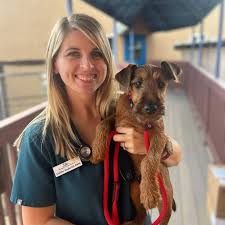
Your dog depends on you for safety, care, and good health. Many owners visit a dog hospital only during illness. Yet routine care and expert guidance shape your dog’s life far more than emergency visits.
A professional veterinary facility offers skilled care, proper tools, and trained staff. You gain access to medical knowledge built on years of practice. This support helps you protect your dog from disease, pain, and avoidable risks.
The right veterinary care also builds trust. You learn what your dog needs at each stage of life. That guidance keeps small problems from growing into serious ones.
Why Regular Care at a Dog Hospital Matters
Dogs cannot explain pain or discomfort in words. They rely on careful observation and medical expertise. A well-equipped dog hospital helps you spot health issues before they grow worse.
Routine visits allow veterinarians to check your dog’s weight, skin, teeth, and heart. These checks reveal early signs of disease. Early treatment saves time, money, and stress.
Preventive care also protects your dog from common threats such as infections or parasites. Vaccination programs guard against diseases like parvovirus or rabies. Regular parasite control keeps fleas, ticks, and worms away.
These steps may seem small. Yet they build a strong foundation for lifelong health.
What a Dog Veterinarian Hospital Provides
A dog veterinarian hospital offers more than basic checkups. It combines skilled professionals with advanced medical equipment.
You receive a full range of health services under one roof. This approach improves diagnosis and treatment speed.
Common services include:
- Wellness exams and routine health checks
- Vaccinations and parasite prevention
- Diagnostic testing such as blood work or imaging
- Dental exams and cleaning
- Medical treatment for illness or injury
- Surgical care when needed
Each service plays a role in your dog’s long-term well-being.
Veterinarians also guide you on nutrition, behavior, and lifestyle habits. These factors often shape a dog’s health more than medicine alone.
Early Detection Protects Your Dog’s Health
Health issues rarely appear overnight. Most conditions develop slowly before symptoms become clear.
Veterinary professionals know how to detect these early signals. They look for small changes that many owners miss.
Examples include:
- Unusual weight gain or loss
- Changes in appetite
- Skin irritation or hair loss
- Dental plaque or gum swelling
- Subtle changes in movement
Finding these signs early allows fast treatment. Early action reduces pain and improves recovery chances.
You also avoid costly emergency care later.
Access to Accurate Diagnostic Tools
Modern veterinary medicine relies on advanced tools. These tools reveal what the eye cannot see.
A professional veterinary facility often includes imaging equipment and laboratory testing. These tools allow veterinarians to examine your dog’s internal health.
Common diagnostic tools include:
- Digital X-rays
- Ultrasound imaging
- Blood testing
- Urine analysis
These tests help confirm the cause of illness. Accurate results lead to better treatment plans.
Without proper diagnostics, care becomes guesswork. Skilled facilities remove that uncertainty.
Skilled Surgical Care When Your Dog Needs It
Some health conditions require surgery. These procedures must be performed by trained veterinary professionals.
Routine surgeries include spay or neuter procedures. These surgeries help prevent unwanted breeding and reduce health risks.
Other procedures may address injuries, tumors, or internal issues.
Professional veterinary teams follow strict safety standards. They monitor anesthesia, vital signs, and recovery closely.
This careful process lowers surgical risks and improves recovery outcomes.
Emergency Support During Critical Moments
Accidents and sudden illness can happen at any time. Quick medical care often decides the outcome.
Professional veterinary teams understand how to respond under pressure. They can stabilize a dog in critical condition and begin treatment quickly.
Common emergencies include:
- Accidental poisoning
- Severe vomiting or diarrhea
- Trauma or injury
- Breathing problems
Immediate care prevents complications. It may even save your dog’s life.
Knowing where to go during an emergency brings peace of mind.
Guidance That Improves Daily Pet Care
Veterinary care goes beyond medical treatment. It also helps you make smarter choices every day.
Veterinarians often guide owners on:
- Proper diet and feeding habits
- Exercise needs for different breeds
- Weight management
- Behavioral concerns
- Preventive health routines
These small habits shape your dog’s overall wellness.
A simple nutrition adjustment may solve digestive problems. Regular dental care can prevent painful gum disease.
When you receive expert advice, daily care becomes easier and more effective.
Building a Long-Term Health Plan for Your Dog
Dogs move through several life stages. Each stage brings new health needs.
Puppies need vaccination schedules and growth monitoring. Adult dogs require preventive care and lifestyle guidance. Senior dogs often need closer monitoring for age-related diseases.
Veterinarians create care plans that match each life stage. This long-term approach keeps health problems under control.
Regular records also help track changes over time. This history allows better decisions about treatment and prevention.
Trust and Peace of Mind for Pet Owners
Owning a dog brings joy, but it also brings responsibility. You want to know your pet receives proper care.
Professional veterinary teams provide reassurance. They explain treatment options clearly and answer your concerns.
You feel confident about decisions affecting your dog’s health.
This trust grows stronger with every visit. Over time, your veterinary team learns your dog’s history, habits, and health patterns.
That familiarity leads to better care.
Choosing the Right Dog Veterinarian Hospital for Your Pet
Not every veterinary facility offers the same level of care. Some focus only on basic services.
A trusted dog veterinarian hospital provides complete medical support. It combines experienced veterinarians with reliable diagnostic tools.
When selecting a facility, consider a few factors:
- Experience and qualifications of the veterinary team
- Range of services available
- Clean and well-organized environment
- Clear communication with pet owners
These signs reflect professionalism and quality care.
A good veterinary team treats your dog with patience and compassion. They also value your questions and concerns.
A Healthier Future for Your Dog
Your dog deserves attentive medical care throughout life. Choosing a trusted dog hospital helps protect your pet from preventable illness and pain.
Professional veterinary care provides preventive services, early diagnosis, and expert treatment when needed. This support allows your dog to live a longer, healthier life.
For pet owners seeking compassionate and reliable care, Silverado Veterinary Hospital offers dedicated veterinary support and modern medical services. If your dog needs a routine checkup or professional advice, visit us and give your pet the attention and care they truly deserve.
Frequently Asked Questions
1. How often should I take my dog to a veterinarian?
Most dogs need a wellness check once a year. Puppies and senior dogs may need more frequent visits.
2. What services are usually available at a veterinary hospital?
Services often include wellness exams, vaccinations, diagnostic tests, dental care, surgery, and emergency treatment.
3. Why are regular veterinary visits important?
Routine visits help detect health problems early and prevent serious disease through vaccinations and preventive care.
4. What signs show my dog needs veterinary attention?
Watch for symptoms such as loss of appetite, vomiting, breathing issues, weight changes, or unusual behavior.
5. Can preventive care really reduce emergency visits?
Yes. Vaccinations, parasite control, and routine exams reduce the risk of severe illness and unexpected emergencies.