
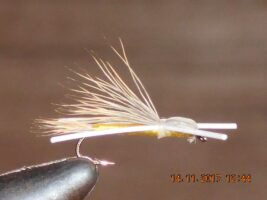
Hopper flies are among the most effective dry flies for targeting trout when grasshoppers are active around rivers and streams. In Kenya, these patterns can trigger aggressive surface strikes because they imitate a natural food source that frequently falls into the water.
Whether you are an experienced angler or learning fly fishing, understanding when and how to use hopper patterns can significantly improve your fishing results.
Why Are Hopper Flies Effective in Kenya?
Hopper flies imitate grasshoppers that accidentally land on the water during windy conditions or while moving through riverbank vegetation. Trout recognise these insects as a high-protein meal and rarely ignore an easy opportunity.
Several rivers in Kenya flow through grasslands, farms, and open landscapes where grasshoppers are abundant during warmer months. This natural environment makes hopper patterns highly productive.
Key reasons they work
- They create a realistic surface profile.
- They provide a larger meal compared to many aquatic insects.
- They remain visible in fast-moving water.
- They perform well during windy afternoons when insects naturally fall into streams.
A study published by the United States Geological Survey (USGS) explains that terrestrial insects, including grasshoppers, can become an important seasonal food source for trout, especially where streamside vegetation is abundant. This helps explain why hopper patterns consistently attract feeding fish in suitable habitats.
When Should You Fish With Hopper Flies in Kenya?
The best time to fish with dry hopper flies is when natural grasshoppers are active near riverbanks.
Ideal conditions include
- Warm sunny afternoons
- Light to moderate wind
- Rivers with grassy edges
- Late dry season when terrestrial insects are plentiful
Instead of matching aquatic insect hatches, hopper fishing focuses on natural land insects entering the water.
Practical example
Imagine fishing along a grassy section of a Kenyan river after midday. A gentle breeze pushes insects from nearby vegetation into the current. Trout begin watching the surface instead of feeding underwater. Presenting a realistic hopper fly close to the bank often results in an immediate surface take.
How Should You Present Hopper Flies?
Presentation matters just as much as fly selection.
The goal is to imitate a struggling grasshopper rather than a perfectly floating insect.
Simple techniques
- Cast close to grassy riverbanks.
- Allow the fly to drift naturally.
- Add occasional small twitches.
- Avoid excessive false casting over feeding fish.
- Mend the line to reduce drag.
Many experienced fly fishing guides recommend targeting undercut banks and overhanging vegetation first because trout frequently patrol these feeding lanes.
Which Water Types Produce the Best Results?
Premium hopper fly patterns perform well across different freshwater environments, but some areas consistently produce better action.
Look for:
- Medium-flowing rivers
- Clear mountain streams
- Slow runs beside vegetation
- Deep pools below grassy banks
- River bends with natural insect activity
These areas naturally collect drifting insects and encourage trout to feed near the surface.
How Do Hopper Flies Compare With Other Dry Flies?
Unlike mayfly or caddis imitations, hand-tied hopper flies imitate terrestrial insects rather than aquatic species.
|
Fly Pattern |
Best Situation |
Visibility |
Trout Response |
|
Hopper Flies |
Windy afternoons |
Excellent |
Aggressive strikes |
|
Mayfly Patterns |
Hatch periods |
Moderate |
Selective feeding |
|
Caddis Flies |
Evening activity |
Good |
Consistent takes |
|
Beetle Patterns |
Tree-lined rivers |
Good |
Opportunistic feeding |
Rather than replacing traditional dry flies, hopper patterns complement them and provide another option when insect hatches are limited.
What Features Make a Quality Hopper Fly?
A well-made durable hopper fly should withstand repeated casts, multiple fish, and changing water conditions.
Look for:
- Strong premium hooks
- Secure thread wraps
- High-quality foam or natural materials
- Realistic legs
- Balanced floating ability
- Durable construction
Experienced anglers usually prefer flies that continue floating after repeated use without constant maintenance.
Can Beginners Fish Hopper Flies Successfully?
Yes. Hopper flies are among the easiest dry flies to fish because they are larger and easier to see on the water.
Beginners benefit because they can:
- Detect strikes quickly.
- Improve casting accuracy.
- Learn natural drift techniques.
- Build confidence with visible takes.
Watching a trout rise and take a hopper from the surface is one of the most exciting experiences in fly fishing.
What Mistakes Reduce Success With Hopper Flies?
Even excellent flies become less effective when presentation is poor.
Avoid these common mistakes:
- Fishing too far from riverbanks
- Retrieving too quickly
- Using oversized leaders
- Ignoring windy conditions
- Casting repeatedly over feeding trout
Small adjustments in presentation usually produce better results than changing fly patterns frequently.
What Should You Consider Before Buying Hopper Flies in Kenya?
Choosing the right hopper flies Kenya involves more than selecting an attractive pattern.
Consider:
- Hook quality
- Material durability
- Realistic design
- Consistent tying standards
- Performance in local fishing conditions
Reliable craftsmanship generally leads to flies that maintain their shape, float correctly, and perform consistently over multiple fishing trips.
Why Experienced Anglers Value Well-Tied Hopper Patterns
Professional guides and seasoned anglers understand that fly quality directly influences fishing performance.
Handcrafted flies tied with carefully selected materials generally:
- Float longer
- Last through multiple catches
- Maintain realistic appearance
- Improve presentation
- Deliver dependable performance in different water conditions
Instead of relying solely on appearance, experienced anglers evaluate how a fly performs after hours of fishing.
Looking for Reliable Handcrafted Hopper Flies in Kenya?
If you are searching for custom hopper flies, quality trout fishing flies, or dependable fly patterns designed for real fishing conditions, Trout Fly Fishing Flies Kenya produces handcrafted flies inspired by Kenya’s diverse aquatic ecosystems and rich fly fishing heritage.
For years, the team has carefully tied premium flies using high-quality materials, traditional craftsmanship, and rigorous quality inspection. Every pattern is designed for durability, natural presentation, and dependable performance in rivers, lakes, and streams.
Contact Details
Trout Fly Fishing Flies Kenya
Lr No, Limuru/Rironi 1129, Rironi Kinguru Road, Limuru East, Limuru, Kiambu
Po Box 937-00217, Kenya
Email: francis@troutflyfishingflieskenya.com
Phone: +254-208-117733 | +254-720-968005
Website: https://troutflyfishingflieskenya.com/