
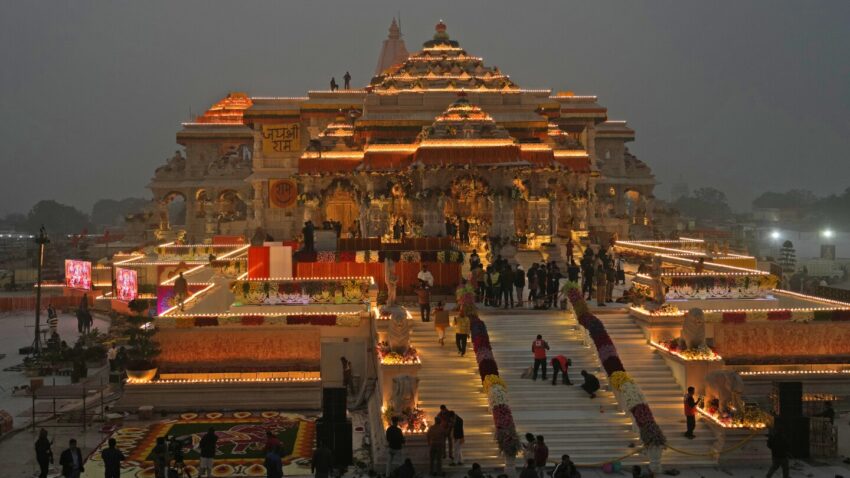
Ayodhya, the sacred city on the banks of the Sarayu River in Uttar Pradesh, is one of the most revered destinations in India. Understanding the best time to visit Ayodhya is essential for planning a trip that allows you to enjoy its temples, ghats, festivals, and cultural experiences to the fullest. Known as the birthplace of Lord Rama, it holds immense religious, cultural, and historical importance. Pilgrims, historians, and travelers from across the world come here to experience its spiritual aura and explore its rich heritage.
Why Timing Matters for Ayodhya Travel
Ayodhya experiences distinct seasons, each offering a different charm. The city’s spiritual atmosphere remains constant, but weather conditions, festivals, and cultural events vary throughout the year. Choosing the right time ensures comfort, better sightseeing opportunities, and the chance to witness Ayodhya’s grand celebrations.
Seasonal Breakdown: Best Time to Visit Ayodhya
1. Winter (October to February) – The Ideal Season
Winter is widely considered the best time to visit Ayodhya. The weather is cool and pleasant, making it perfect for exploring temples, ghats, and cultural sites without discomfort.
Highlights:
- Comfortable temperatures (8°C to 20°C).
- Ideal for sightseeing and outdoor activities.
- Major festivals like Diwali and Deepotsav celebrated with grandeur.
- Ram Janmabhoomi Temple and Sarayu Ghats are especially vibrant during this season.
2. Spring (March to April) – Festival Season
Spring is another excellent time to visit Ayodhya, especially for those interested in festivals. The weather is moderately warm, and Ram Navami, the celebration of Lord Rama’s birth, is observed with devotion and cultural programs.
Highlights:
- Pleasant climate with temperatures around 20°C to 30°C.
- Ram Navami celebrations with processions, prayers, and cultural performances.
- Blooming gardens and lively atmosphere.
3. Summer (May to June) – Off-Season Travel
Summer in Ayodhya can be hot, with temperatures rising above 35°C. While not the most comfortable season, it is suitable for budget travelers who prefer fewer crowds and discounted accommodations.
Highlights:
- Less crowded temples and ghats.
- Opportunities for peaceful meditation and reflection.
- Early mornings and evenings are best for sightseeing.
4. Monsoon (July to September) – Spiritual Serenity
Monsoon brings lush greenery and a refreshing atmosphere to Ayodhya. Heavy rains may disrupt travel plans, but the city’s ghats and temples look beautiful in the rain-washed surroundings.
Highlights:
- Scenic beauty with greenery and flowing Sarayu River.
- Fewer tourists, offering a peaceful experience.
- Festivals like Shravan month rituals and local fairs.
Festival Calendar: Best Time to Visit Ayodhya for Celebrations
Ayodhya is synonymous with festivals, and timing your visit around these events can make your trip unforgettable.
- Diwali & Deepotsav (October/November): Millions of lamps light up the city, creating a spectacular sight.
- Ram Navami (March/April): Celebrates the birth of Lord Rama with grand processions and rituals.
- Kartik Purnima (November): Devotees take holy dips in the Sarayu River.
- Makar Sankranti (January): Special prayers and rituals at temples and ghats.
Month-by-Month Guide
- January–February: Cool weather, ideal for sightseeing; Makar Sankranti celebrations.
- March–April: Pleasant climate; Ram Navami festival.
- May–June: Hot temperatures; fewer crowds, budget-friendly travel.
- July–September: Monsoon rains; lush greenery, peaceful atmosphere.
- October–November: Diwali and Deepotsav; best season for cultural immersion.
- December: Cold but festive; perfect for temple visits and evening aarti.
Travel Tips for Choosing the Best Time
- Festival Planning: Book accommodations early if visiting during Diwali or Ram Navami.
- Weather Considerations: Carry warm clothes in winter and light cotton in summer.
- Crowd Management: Winters and festivals attract large crowds; summers and monsoons are quieter.
- Spiritual Experience: Monsoon and summer offer peaceful temple visits without rush.
Suggested Itineraries Based on Season
Winter Itinerary
- Day 1: Ram Janmabhoomi Temple, Hanuman Garhi, Kanak Bhawan.
- Day 2: Sarayu Ghats, evening aarti, Tulsi Smarak Bhawan.
- Day 3: Mani Parbat, Sugriv Parbat, Ramkatha Park.
Spring Itinerary
- Day 1: Ram Navami celebrations at Ram Janmabhoomi.
- Day 2: Cultural programs at Ramkatha Park.
- Day 3: Explore ghats and temples during festive atmosphere.
Monsoon Itinerary
- Day 1: Peaceful meditation at Sarayu Ghats.
- Day 2: Visit Treta Ke Thakur and Nageshwarnath Temple.
- Day 3: Explore Tulsi Smarak Bhawan and Ramkatha Park.
Summer Itinerary
- Day 1: Early morning visit to Ram Janmabhoomi.
- Day 2: Evening aarti at Sarayu Ghats.
- Day 3: Explore cultural sites during cooler hours.
Conclusion
The best time to visit Ayodhya depends on your preferences. Winter (October to February) is ideal for comfortable sightseeing and grand festivals like Diwali. Spring (March to April) is perfect for experiencing Ram Navami. Monsoon (July to September) offers serenity and lush beauty, while summer (May to June) is suitable for budget travelers seeking peace. No matter when you visit, Ayodhya’s timeless devotion, cultural richness, and spiritual aura promise an unforgettable journey.