
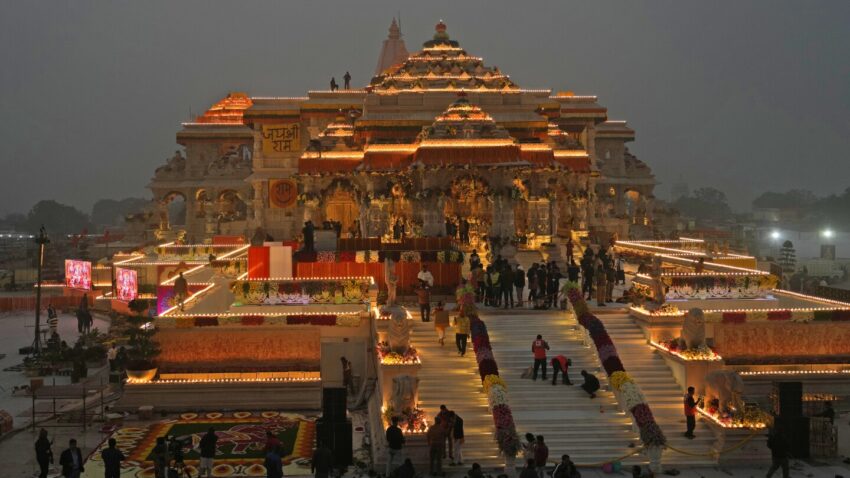
Ayodhya, located on the banks of the sacred Sarayu River in Uttar Pradesh, is one of the most revered cities in India. If you’re planning a trip, knowing the Best Time to Visit Ayodhya is essential to make the most of your journey. Known as the birthplace of Lord Rama, this ancient city is a hub of spirituality, culture, and history. With its temples, ghats, and heritage sites, Ayodhya attracts millions of pilgrims and tourists every year.
This guide explores the seasonal highlights, festivals, cultural experiences, and practical tips to help you plan your visit. Whether you’re a devotee, a history enthusiast, or a curious traveler, Ayodhya promises an unforgettable experience throughout the year.
Why Timing Matters for Visiting Ayodhya
- Weather Conditions: Ayodhya experiences extreme summers and pleasant winters, making seasonal planning important.
- Festivals: The city comes alive during Ram Navami, Diwali, and Kartik Purnima.
- Crowd Levels: Peak seasons attract large numbers of pilgrims, while off-seasons offer quieter experiences.
- Cultural Immersion: Certain months allow you to witness grand celebrations and rituals.
Seasonal Guide – Best Time to Visit Ayodhya
1. Winter (October to March) – The Ideal Season
- Weather: Pleasant temperatures ranging from 8°C to 25°C.
- Highlights: Comfortable for sightseeing, temple visits, and evening aarti at Ram Ki Paidi.
- Festivals: Diwali and Kartik Purnima celebrated with grandeur.
- Why Visit: This is widely considered the Best Time to Visit Ayodhya due to favorable weather and vibrant cultural activities.
2. Summer (April to June) – For Devoted Pilgrims
- Weather: Hot temperatures ranging from 30°C to 45°C.
- Highlights: Despite the heat, many pilgrims visit during Ram Navami, celebrating Lord Rama’s birth.
- Festivals: Ram Navami is the biggest attraction, drawing thousands of devotees.
- Why Visit: Ideal for those seeking spiritual experiences and willing to brave the heat.
3. Monsoon (July to September) – Lush and Spiritual
- Weather: Moderate to heavy rainfall, temperatures between 25°C and 35°C.
- Highlights: The city looks lush and green, with the Sarayu River flowing in full glory.
- Festivals: Shravan month rituals and local fairs.
- Why Visit: Perfect for those who enjoy a quieter, more serene atmosphere, though travel may be affected by rains.
Festival Calendar – Best Time to Visit Ayodhya for Celebrations
Ram Navami (March–April)
- Celebrates the birth of Lord Rama.
- Grand processions, temple rituals, and cultural programs.
- Attracts pilgrims from across India and abroad.
Diwali (October–November)
- Celebrates Lord Rama’s return to Ayodhya after defeating Ravana.
- The city is illuminated with millions of lamps, creating a magical atmosphere.
- Cultural performances and fireworks add to the charm.
Kartik Purnima (November)
- Devotees take holy dips in the Sarayu River.
- Temples and ghats are beautifully decorated.
- Spiritual ambiance with chanting and rituals.
Shravan Month (July–August)
- Special prayers and rituals dedicated to Lord Shiva.
- Pilgrims visit Nageshwarnath Temple and other shrines.
Cultural Highlights During Different Seasons
- Winter: Evening aarti at Ram Ki Paidi, temple visits, and heritage walks.
- Summer: Ram Navami celebrations, devotional songs, and temple rituals.
- Monsoon: Peaceful meditation, lush surroundings, and fewer crowds.
Activities to Experience Based on Season
- Winter: Sightseeing at Ram Janmabhoomi, Hanuman Garhi, Kanak Bhawan, and Tulsi Smarak Bhawan.
- Summer: Participate in Ram Navami festivities, temple darshan, and cultural programs.
- Monsoon: Enjoy serene ghats, meditation, and spiritual retreats.
Sample Itinerary – Best Time to Visit Ayodhya
Winter Itinerary (3 Days)
Day 1: Ram Janmabhoomi Temple, Hanuman Garhi, Kanak Bhawan.
Day 2: Ram Ki Paidi evening aarti, Nageshwarnath Temple, Treta Ke Thakur Temple.
Day 3: Tulsi Smarak Bhawan, Mani Parvat, Guptar Ghat.
Summer Itinerary (Ram Navami Special)
Day 1: Attend Ram Navami celebrations at Ram Janmabhoomi.
Day 2: Visit Hanuman Garhi and Kanak Bhawan.
Day 3: Explore cultural programs and local markets.
Monsoon Itinerary (Peaceful Retreat)
Day 1: Meditation at Ram Ki Paidi, temple visits.
Day 2: Explore Tulsi Smarak Bhawan and Ayodhya Research Centre.
Day 3: Visit Guptar Ghat and enjoy serene river views.
Travel Tips for the Best Time to Visit Ayodhya
- Clothing: Light cotton clothes for summer, warm layers for winter.
- Footwear: Comfortable walking shoes for temple visits and ghats.
- Accommodation: Book hotels in advance during festivals.
- Transport: Local rickshaws and taxis available; plan ahead during peak seasons.
- Respect Traditions: Dress modestly and follow temple etiquette.
- Cash: Keep cash handy as some areas may lack digital payment options.
Why Ayodhya Attracts Global Travelers Year-Round
- Spiritual depth: Birthplace of Lord Rama, central to Hindu faith.
- Cultural richness: Blend of devotion, art, and heritage.
- Global appeal: Pilgrims from Asia, Europe, and America visit regularly.
- Peaceful atmosphere: Ideal for meditation and inner reflection.
- Historical importance: Sites rooted in centuries-old traditions.
Conclusion
Ayodhya is not just a city—it is a living embodiment of faith, culture, and history. Knowing the Best Time to Visit Ayodhya helps you plan a journey that aligns with your interests, whether it’s participating in grand festivals, enjoying peaceful meditation, or exploring heritage sites.
- Winter (October–March): Best for sightseeing and comfortable travel.
- Summer (April–June): Ideal for Ram Navami celebrations.
- Monsoon (July–September): Perfect for serene, offbeat experiences.
If you’re planning your next cultural or spiritual holiday, let Ayodhya be your choice. The memories you create here—whether it’s attending evening aarti at Ram Ki Paidi, celebrating Diwali with millions of lamps, or meditating by the Sarayu River—will stay with you forever.