
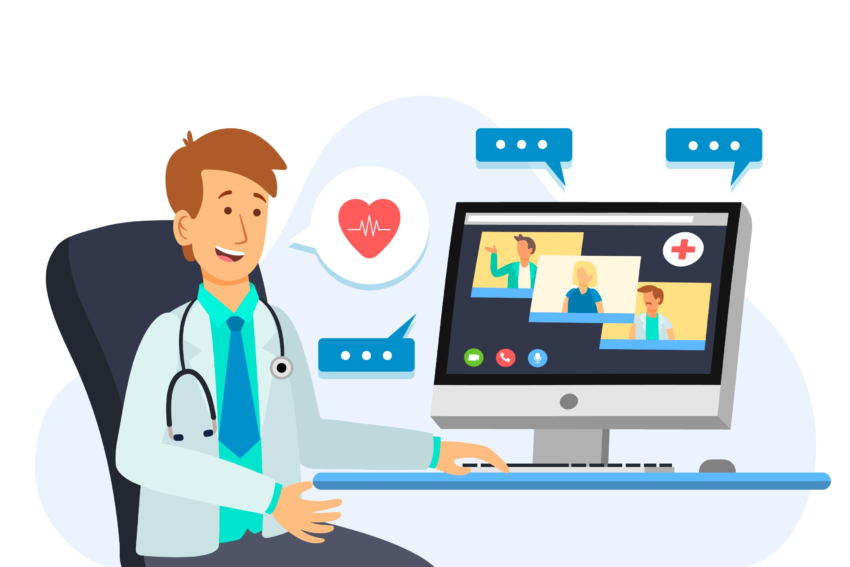
The medical field in the United States is going through a massive transformation, driven by an overwhelming wave of paperwork and administrative demands. For college students studying pre-med, nursing, or health administration, preparing for a future in medicine means learning how to manage this digital workload efficiently. One of the most impactful solutions emerging today is the integration of remote digital support to help doctors stay organized and focused. Bringing a certified Healthcare Virtual Assistant into a busy clinical workflow allows medical staff to delegate repetitive typing, chart updating, and phone management tasks. By leaning on these hidden allies, healthcare professionals can finally look up from their computer screens, minimize daily administrative burnout, and dedicate their undivided attention to providing high-quality, compassionate care to the patients sitting right in front of them.
What is a Virtual Medical Ally?
A virtual medical ally is a trained remote professional who assists healthcare providers with non-clinical office operations from an off-site location. They utilize secure internet connections to handle scheduling, data entry, and communication tasks that would otherwise slow down a doctor.
The Problem with Physician Burnout
Doctors and nurses across the United States are spending an exhausting number of hours every day filling out forms and typing electronic notes. This heavy administrative burden drains their energy and severely limits the amount of quality time they can spend interacting with patients.
Why This Matters to American Students
As future clinicians and health administrators, your generation will be expected to navigate an increasingly complex digital landscape. Learning how to properly utilize virtual collaboration tools today ensures you will be ready to build a highly efficient, patient-centered practice tomorrow.
Simplifying the Daily Patient Scheduling Maze
Managing a busy clinic calendar requires constant adjustments, cancellations, and follow-up calls to ensure open slots are filled. Virtual assistants keep calendars organized in real-time, reducing long wait times and ensuring patients get to see their doctors exactly when needed.
Ensuring Accurate Electronic Health Records
Accurately updating a patient’s digital chart during an exam is incredibly important but takes a significant amount of focus away from the conversation. Remote scribes can listen in on visits securely and document the details immediately, keeping records flawless without disrupting the patient encounter.
Improving Communication with Medical Translation
Language barriers can make it incredibly difficult for some patients to understand their diagnoses or follow their prescribed treatment plans. Many virtual healthcare allies are bilingual, allowing them to help translate complex medical instructions into clear, comfortable language for diverse families.
Streamlining Care with a Mental Health Virtual Assistant
Therapy clinics and psychiatric practices face unique administrative hurdles, especially when dealing with deeply sensitive patient onboarding and intake files. Integrating a specialized mental health virtual assistant into these practices helps manage client matching, handle delicate crisis-routing schedules, and process insurance checks, freeing therapists to focus purely on counseling.
Enhancing Patient Follow-Up and Post-Care Support
Healing does not stop when a patient leaves the clinic building, yet many individuals struggle to manage their recovery plans at home. Remote allies can send friendly text check-ins or call patients to remind them to take their medications, bridging the gap between appointments.
Managing the Chaos of Prescription Refills
Pharmacies constantly send refill requests that require careful verification against a patient’s current medical records before being signed. Virtual support staff pre-screen these digital requests, organizing them neatly so the physician can review and approve them safely in seconds.
Keeping Sensitive Healthcare Data Safe
Because remote workers handle private personal details, keeping information hidden from cybercriminals and identity thieves is absolutely crucial. Virtual allies must utilize industrial-grade encryption, secure private networks, and multi-factor authentication to remain fully compliant with federal HIPAA laws.
The Value of Specialized Training Agencies
Hiring a random internet freelancer can expose a medical clinic to massive legal liabilities and accidental data security leaks. Working with professional staffing agencies ensures that virtual assistants are thoroughly vetted, background-checked, and highly trained in American healthcare protocols.
Balancing Technology and Human Empathy
While digital support tools are incredibly powerful, they are meant to assist human medical experts rather than replace them. The ultimate decisions regarding a patient’s health will always rely on the deep emotional intelligence and clinical judgment of human doctors.
Beyond the Front Desk: Elevating Patient Care With Remote Assistants
Embracing virtual medical allies is a powerful way to streamline modern clinic workflows and bring empathy back to the forefront of medicine. By delegating heavy administrative burdens to remote professionals, healthcare providers can focus on what truly matters most—healing people. As future leaders of American healthcare, mastering this digital balance will empower you to build a safer, more efficient industry. With the right security measures in place, virtual staffing will continue to safely revolutionize patient care across the country.