
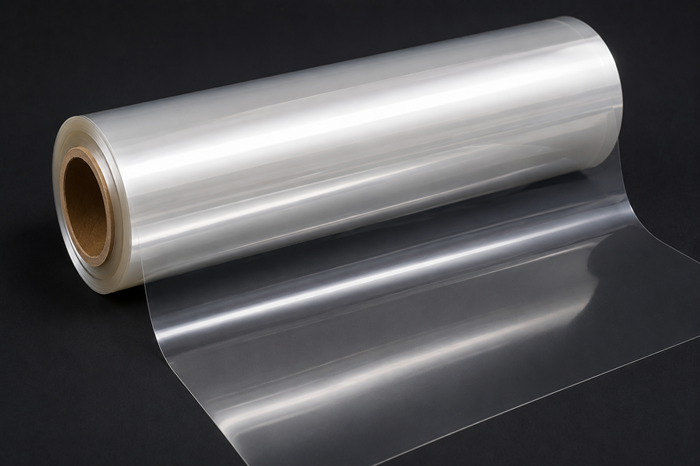
The global BOPP film market showed a positive performance during the first quarter of 2026 as demand improved across several major industries. Businesses involved in packaging, labeling, and industrial applications increased their purchases after a slower market in the previous quarter. As a result, manufacturers experienced better order volumes, while suppliers were able to maintain stronger pricing throughout the quarter. The overall market remained healthy because both demand and production stayed well balanced.
One of the biggest reasons behind the stronger market was the growing need for flexible packaging. Food products, consumer goods, pharmaceuticals, and daily household items continue to depend heavily on BOPP film because it offers excellent strength, clarity, and moisture resistance. As consumer spending gradually improved, manufacturers of packaged products increased production, leading to higher demand for packaging materials. This steady recovery supported the overall market and encouraged producers to maintain firm offers.
At the same time, raw material costs also played an important role in supporting the market. Polypropylene, which is the main feedstock used in BOPP film manufacturing, remained firm throughout the quarter. Since production costs stayed elevated, manufacturers had limited room to reduce selling prices. Instead, they focused on maintaining controlled production levels while meeting customer demand. This balanced approach helped prevent excessive inventory buildup and kept the market stable.
Another important factor influencing the market was the ongoing geopolitical tension in the Middle East. The conflict created uncertainty across global shipping routes and affected the movement of raw materials and finished products. Transportation became more expensive due to higher fuel prices and shipping costs. These logistics challenges made it difficult for buyers to secure timely deliveries, encouraging many companies to purchase material earlier than usual to avoid future shortages.
This stronger buying activity was seen in many parts of the world. Instead of purchasing only for immediate production needs, several businesses also started building additional inventories. This precautionary buying helped strengthen market confidence and supported higher transaction values throughout the quarter. As expectations for further price increases continued, purchasing activity remained active across many regions.
India experienced one of the strongest market performances during the quarter. Demand from food packaging, flexible packaging, and fast-moving consumer goods manufacturers increased significantly as production activities improved. Suppliers maintained disciplined operating rates while inventory levels gradually tightened. Buyers became more active in securing material because they expected further increases during the coming months. Supported by stronger domestic demand, firm feedstock costs, and logistics challenges, BOPP Prices in India increased by around 15.4% during Q1 2026, while March alone recorded a sharp monthly rise of approximately 35.1%.
China also witnessed healthy market conditions throughout the quarter. Export demand improved steadily as buyers from Asia, Africa, and other international markets increased their purchases. Manufacturers carefully managed production volumes to balance supply with rising demand while avoiding excessive stock accumulation. Stable polypropylene costs continued to support manufacturing economics, while global logistics challenges limited product availability. These combined factors allowed Chinese exporters to maintain firm quotations and record a notable increase during March.
In the United States, imported BOPP film also moved higher during the quarter. Strong demand from packaging, labeling, and industrial sectors encouraged buyers to rebuild inventories after earlier cautious purchasing. Import availability remained somewhat limited because exporters in Asia controlled production while global transportation disruptions delayed shipments. Buyers accepted higher prices as securing material became a greater priority than negotiating discounts. Market confidence strengthened steadily as supply conditions remained tight.
Mexico followed a similar path during the first quarter. Packaging and food-related industries continued expanding their procurement activities while import supply remained relatively restricted. Buyers increased purchases to secure inventory before any additional price increases could occur. Supported by stable feedstock costs and stronger regional demand, suppliers maintained firm pricing throughout the quarter, resulting in another healthy market performance.
African markets, including Kenya and Nigeria, also experienced improving business conditions. Demand from food packaging, consumer goods, and retail packaging remained healthy, encouraging importers to place regular orders. Although shipping disruptions created some logistical challenges, suppliers continued serving these markets with controlled production and careful inventory management. Market participants remained optimistic as purchasing activity stayed strong.
Across Southeast Asia, Vietnam and Malaysia witnessed stable market improvements supported by stronger packaging demand and healthy industrial activity. Importers increased procurement as buyers expected additional price growth during the coming months. Production remained balanced while feedstock costs stayed supportive, allowing suppliers to maintain firm offers throughout the quarter.
Overall, the BOPP Price Trend remained positive during the first quarter of 2026 because several supportive factors worked together at the same time. Improving demand from packaging industries, stable feedstock costs, controlled production levels, and ongoing global logistics disruptions all contributed to stronger market conditions. Although geopolitical uncertainty created additional pressure on transportation and supply chains, manufacturers successfully managed production while buyers remained willing to secure material early.
Looking ahead, market participants will continue watching raw material costs, international shipping conditions, and demand from major packaging industries. If these factors remain supportive, the market is expected to maintain healthy momentum. As businesses continue expanding production and consumer demand stays stable, BOPP film is likely to remain an important material across global packaging industries, supporting balanced growth in the months ahead.
Please Submit Your Query For BOPP Film Price Trend, Market Analysis and Forecast: https://www.price-watch.ai/book-a-demo/
About Price Watch™ AI
Price-Watch AI is an India-based, independent raw material price reporting agency that provides real-time price forecasts and data-driven insights into global raw material markets. Price-Watch AI specializes in tracking raw material prices, analyzing market trends, and delivering timely updates on plant shutdowns, supply disruptions, capacity expansions, and demand-supply dynamics. The Price-Watch AI platform empowers manufacturers, traders, and procurement professionals to make faster, smarter decisions. Leveraging AI-powered forecasting and over a decade of historical data, Price-Watch AI transforms market volatility into actionable opportunity.
Futura Tech Park,
C Block, 8th floor 334,
Old Mahabalipuram Road,
Sholinganallur, Chennai, Tamil Nadu, Pincode – 600119.
𝐋𝐢𝐧𝐤𝐞𝐝𝐈𝐧: https://www.linkedin.com/company/price-watch-ai/
𝐅𝐚𝐜𝐞𝐛𝐨𝐨𝐤: https://www.facebook.com/people//61568490385598/
𝐓𝐰𝐢𝐭𝐭𝐞𝐫: https://x.com/pricewatchai
𝐖𝐞𝐛𝐬𝐢𝐭𝐞: https://www.price-watch.ai/