
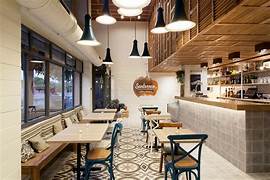
Cafe interior designers in Hyderabad play an important role in creating stylish, functional, and inviting café spaces that attract customers and strengthen brand identity. A café is not only a place where people enjoy coffee and food; it is also a social destination where customers meet friends, work remotely, attend casual meetings, and spend quality time. A thoughtfully designed interior can influence customer comfort, brand perception, seating capacity, and the overall dining experience.
The planning principles used by an office interior design company, as discussed in 10 Important Things to Consider When Hiring an Office Interior Design Company, can also offer useful insights when creating modern café interiors. Efficient space planning, ergonomic furniture, effective lighting, organized circulation, and functional zoning are important in both environments. However, café interiors require additional attention to customer experience, food-service operations, ambiance, seating density, hygiene, and efficient movement between the dining and service areas.
Understanding Café Interior Design
A successful café interior should reflect the brand’s personality while supporting smooth day-to-day operations. The design may vary depending on whether the café is a specialty coffee shop, bakery café, dessert lounge, casual dining space, or concept café.
A typical café interior may include:
- Entrance area
- Reception or waiting zone
- Indoor seating
- Outdoor seating
- Coffee bar
- Food display counter
- Kitchen or preparation area
- Takeaway counter
- Storage areas
- Restrooms
Each zone should be planned to create a seamless connection between customers, staff, and service operations.
Creating a Strong First Impression
The entrance is the first point of contact between a café and its customers. A visually attractive entrance can immediately communicate the café’s personality and encourage potential customers to enter.
Design elements may include:
- Attractive signage
- Branded graphics
- Feature walls
- Decorative lighting
- Glass storefronts
- Landscaping
- Display windows
A well-designed façade can also improve visibility from the street and help the café stand out in Hyderabad’s competitive food and beverage market.
Efficient Café Space Planning
Space planning is one of the most important aspects of café design. The layout should maximize seating capacity without making the space feel crowded or uncomfortable.
Effective planning should consider:
- Table arrangements
- Customer circulation
- Staff movement
- Service pathways
- Queue management
- Counter placement
- Kitchen access
A well-planned layout can help improve operational efficiency while ensuring that customers can move comfortably through the space.
Café Seating Design
Seating plays a major role in shaping the customer experience. Different types of seating can be combined to accommodate individuals, couples, families, and groups.
Popular seating options include:
- Two-seater tables
- Four-seater tables
- Communal tables
- Bench seating
- Booth seating
- Lounge chairs
- Outdoor seating
Flexible furniture arrangements can allow cafés to accommodate different customer groups and events.
Coffee Bar and Counter Design
The coffee bar is often the visual and functional centre of a café. It should be designed to support efficient staff movement while creating an attractive focal point for customers.
A well-designed coffee counter may include:
- Service counters
- Coffee machine zones
- Storage
- Display shelving
- POS system placement
- Beverage preparation areas
The counter should be positioned strategically to manage customer queues and ensure efficient communication between staff and customers.
Café Furniture Solutions
Furniture should combine comfort, durability, and visual appeal. Since café furniture experiences frequent daily use, materials should be selected carefully.
Furniture may include:
- Dining tables
- Dining chairs
- Bar stools
- Benches
- Booth seating
- Lounge furniture
- Outdoor furniture
The design, colors, and finishes should complement the café’s theme and overall brand identity.
Lighting and Ambiance
Lighting has a significant influence on the atmosphere of a café. The right combination of ambient, task, and accent lighting can create a warm and welcoming environment.
Lighting solutions may include:
- Pendant lights
- Wall sconces
- Recessed lighting
- Track lights
- Cove lighting
- Decorative fixtures
- LED accent lighting
Special attention should be given to lighting around the coffee bar, product displays, and feature walls.
Color and Material Selection
Colors and materials help establish the visual identity of a café. Depending on the concept, designers may use combinations of wood, metal, stone, glass, textured finishes, and decorative surfaces.
Material selection should consider:
- Durability
- Easy maintenance
- Moisture resistance
- Hygiene
- Heat resistance
- Aesthetic appeal
High-traffic areas should use durable materials that can withstand regular customer use and frequent cleaning.
Creating Instagram-Worthy Café Interiors
Social media has become an important part of café marketing. Customers often share photographs of attractive interiors, food, and drinks online.
Design elements that can create visually appealing spaces include:
- Statement walls
- Artistic murals
- Decorative lighting
- Unique furniture
- Indoor plants
- Custom signage
- Creative ceiling designs
A memorable interior can encourage customers to share their experiences and increase organic visibility for the café.
Acoustic Comfort
Acoustic planning is important for creating a comfortable café environment. Excessive noise can make conversations difficult, particularly during busy hours.
Acoustic solutions may include:
- Acoustic ceiling panels
- Upholstered furniture
- Soft furnishings
- Decorative wall treatments
- Sound-absorbing materials
The objective is to maintain an energetic atmosphere while ensuring that customers can comfortably communicate.
Outdoor Café Seating
Outdoor seating can increase a café’s capacity while offering customers a different dining experience. Hyderabad cafés can benefit from thoughtfully planned outdoor spaces where site conditions permit.
Outdoor solutions may include:
- Weather-resistant furniture
- Canopies
- Pergolas
- Planters
- Decorative partitions
- Outdoor lighting
Materials should be selected according to local weather conditions and maintenance requirements.
Branding and Café Identity
Interior design can help strengthen a café’s brand identity. The logo, color palette, furniture, materials, signage, and lighting should work together to create a consistent visual experience.
Branding elements may include:
- Logo walls
- Custom graphics
- Branded furniture
- Menu boards
- Feature signage
- Signature colors
A consistent design language can help customers recognize and remember the café.
Sustainable Café Interior Design
Sustainability can be incorporated into café interiors through responsible material choices and energy-efficient systems.
Possible strategies include:
- Energy-efficient LED lighting
- Natural daylight
- Durable materials
- Low-maintenance finishes
- Responsible material sourcing
- Indoor plants
- Water-efficient fixtures
Long-lasting materials can also reduce maintenance requirements and replacement costs over time.
Choosing Cafe Interior Designers in Hyderabad
Café owners should carefully evaluate potential interior design partners before starting a project.
Important factors include:
- Experience in hospitality interiors
- Portfolio
- Space-planning expertise
- Furniture capabilities
- Material knowledge
- Lighting design
- Brand integration
- Project management
- Manufacturing capabilities
- Installation services
- Quality control
It is useful to review completed café projects to understand how effectively a designer balances aesthetics, customer experience, operational requirements, and available space.
Professional Café Interior Design Process
A professional café project may follow a structured process:
- Initial consultation
- Site assessment
- Concept development
- Brand and theme analysis
- Space planning
- Seating layout
- 3D visualization
- Furniture planning
- Material selection
- Lighting design
- Counter and kitchen coordination
- Detailed drawings
- Budget planning
- Manufacturing and procurement
- Installation
- Quality inspection
- Final handover
A coordinated process helps ensure that design and operational requirements are addressed together.
Benefits of Professional Café Interior Design
Working with experienced café interior designers can provide several advantages:
- Better space utilization
- Improved customer experience
- Efficient staff movement
- Stronger brand identity
- Comfortable seating
- Attractive ambiance
- Durable material selection
- Better operational efficiency
A thoughtfully designed café can create a memorable customer experience while supporting smooth business operations.
Conclusion
Cafe interior designers in Hyderabad help transform commercial spaces into stylish, functional, and inviting cafés that combine customer comfort with operational efficiency. From entrances and seating areas to coffee counters, display units, outdoor spaces, and service zones, every element should be planned around the café’s concept and target audience.
The principles associated with an office interior design company, highlighted in 10 Important Things to Consider When Hiring an Office Interior Design Company, demonstrate the importance of efficient space planning, functional layouts, ergonomic considerations, and professional coordination. By adapting these principles to hospitality requirements and combining them with creative themes, comfortable furniture, effective lighting, durable materials, acoustic planning, and strong branding, cafés can create distinctive interiors that attract customers, encourage longer visits, and build lasting brand experiences.