

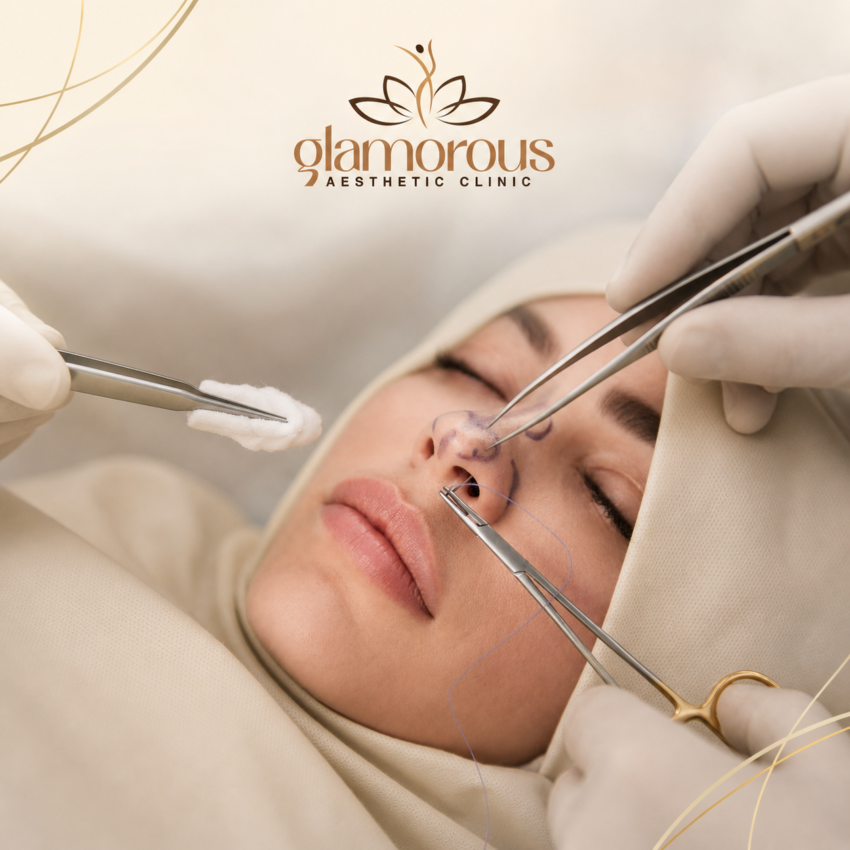
Few aesthetic procedures raise as thoughtful a question as this one. A patient who invests in refining the centre of the face wants to know that the work will endure. The honest answer is that a well-planned rhinoplasty is designed to be lasting, yet its longevity depends on decisions made long before the first incision. Understanding how a surgeon evaluates and reshapes the nose is the clearest way to understand why some results age gracefully while others drift. For anyone considering Rhinoplasty in Islamabad this knowledge turns a hopeful expectation into an informed one.
Why Longevity Begins With Assessment?
A nose is not a single structure. It is an architectural composite of bone, cartilage, mucosa, and skin, all resting on the framework of the face. Lasting results depend on respecting that architecture rather than simply altering its surface. This is why the consultation carries such weight. Surgeons trained in advanced aesthetic practice spend considerable time examining the nose from every angle, in repose and in motion, before any plan is made.
Assessing the Nasal Bones
The upper third of the nose is rigid, formed by the paired nasal bones. The surgeon studies their width, length, and symmetry, and how they meet the forehead at the root of the nose. Bones that are broad, asymmetrical, or prominent at the dorsum may need to be refined through controlled osteotomies, which are precise, planned bone cuts. The purpose is to reposition the bony vault so that the bridge sits straight and the proportions look natural. Bone, once set, is remarkably stable, so careful work here forms a durable foundation for everything built above and below it.
Evaluating the Cartilage
The lower two thirds of the nose are shaped by cartilage, which is flexible by nature. The upper lateral cartilages support the middle section, while the lower lateral cartilages define the nostrils and the tip. Surgeons assess their strength, thickness, and memory, meaning how strongly they tend to return to their original position. Weak or overly thin cartilage may collapse inward over the years, affecting both shape and breathing. Thick, heavy cartilage may resist refinement. This evaluation shapes the long-term plan, since structural support must be preserved or rebuilt wherever a nose might otherwise lose form with time.
Examining the Septum
The septum is the internal wall dividing the two nasal passages. It is both a structural pillar and a functional element. A deviated septum can distort the external shape and restrict airflow. The surgeon evaluates its alignment, thickness, and available cartilage, which is often valuable as grafting material. Straightening the septum is not only a functional benefit. It also strengthens the central support of the nose, helping the external result remain stable. A nose that breathes well and is internally balanced is generally better positioned to hold its shape.
Studying the Nasal Tip
The tip is the most complex and expressive part of the nose. Its definition, projection, and rotation influence how the whole nose reads in profile and from the front. The surgeon assesses tip shape, how far it projects from the face, the angle at which it rotates upward, and the quality of the overlying skin. Thick skin may soften definition, while thin skin may reveal every underlying contour. Because the tip depends heavily on cartilage support and skin behaviour, it is where conservative, structure-preserving technique makes the greatest difference to long-term stability.
Reading the Bridge
The bridge, or dorsum, forms the line seen in profile and front view. Surgeons look for humps, depressions, width, and how smoothly the bridge flows from the root to the tip. Some bridges need gentle reduction, others need augmentation or refinement of their width. The goal is a continuous, harmonious line rather than a dramatic change. A bridge shaped in proportion to the surrounding features tends to look appropriate not just at six months but across the decades that follow.
Considering Overall Facial Proportions
No nose is judged in isolation. The surgeon considers the forehead, eyes, cheekbones, lips, and chin, and how the nose relates to each. A chin that recedes slightly can make a nose seem larger than it is. Facial width influences how narrow a nose should be. Age, ethnicity, and individual character all inform what looks balanced. This wider view is a hallmark of premium aesthetic practice, because results that suit the whole face are the ones patients remain satisfied with over time.
How the Procedure Unfolds and Why Each Step Matters?
Understanding the sequence of surgery reveals how each step contributes to a lasting outcome.Surgery begins with anaesthesia and careful preparation. The procedure is typically performed under general anaesthesia, which ensures comfort and allows the surgeon to work with precision. Marking the planned changes establishes a clear map to follow.The surgeon then gains access to the nasal framework, either through an open approach, with a small incision across the columella, or a closed approach, with incisions hidden inside the nostrils. The choice depends on the complexity of the case. Its purpose is to provide the visibility needed to work accurately on the underlying structures.Once access is established, attention turns to the framework itself. The surgeon reshapes the bone, refines the cartilage, and corrects the septum as the plan requires. This is where long-term stability is largely determined. Structure-preserving techniques and, where needed, cartilage grafts reinforce areas that might otherwise weaken over time.With the framework secure, the surgeon moves to the finer details. The tip is shaped and supported, and the bridge is smoothed. The purpose here is to bring definition and proportion without compromising strength.Finally, the skin and soft tissue are redraped over the new framework and carefully closed. A splint and internal supports protect the nose while early healing takes place, holding the structure steady during the vulnerable period when tissues begin to knit together. The skin settles gradually over the reshaped framework, which is why the final appearance emerges over time.
What Influences Long-Term Maintenance?
Even a meticulously executed procedure interacts with biology, and several factors shape how a result matures.Healing is gradual. Swelling can take many months to resolve fully, and the final refinement of the tip may take longer, so the early appearance is never the final one.Skin plays a quiet but important role. Thicker skin tends to settle more slowly, while thinner skin can show subtle irregularities more readily.Natural ageing continues after surgery. Skin loses elasticity and facial tissues change over the years. A nose with solid structural support generally ages more gracefully, but no surgery stops time.Protection from injury matters. A significant blow to the nose can alter its shape, even years after surgery.Following aftercare guidance is essential. Attending follow-up visits, avoiding pressure on the nose in the early weeks, and protecting the skin from excessive sun all support healing.
Choosing Expertise That Prioritises the Long Term
Long-term outcomes are rarely the product of technique alone. They reflect a surgeon’s judgement, restraint, and understanding of facial harmony. A conservative, well-reasoned plan often outlasts a dramatic one. Patients exploring Rhinoplasty in Islamabad are best served by clinics that offer thorough consultation, clear explanation of the surgical plan, and honest conversation about what can and cannot be predicted. No responsible surgeon can guarantee a permanent outcome, because every patient heals differently, but sound planning gives the result its best chance of enduring.
Conclusion
Rhinoplasty results can be maintained over the long term when the operation is built on careful assessment and structural integrity. By evaluating the nasal bones, cartilage, septum, tip, bridge, and overall facial proportions, a skilled surgeon designs a result that respects both form and function. Each step of the procedure, from access to framework to final refinement, serves a defined purpose in creating a nose that remains balanced as the years pass. While healing, skin quality, and natural ageing will always play their part, thoughtful planning and realistic expectations are the surest foundations for lasting satisfaction. For those considering Rhinoplasty in Islamabad, an unhurried consultation with an experienced surgeon is the most valuable first step toward a result designed to endure.
Read More :
https://www.webseobacklink.com/how-natural-will-my-rhinoplasty-look/