
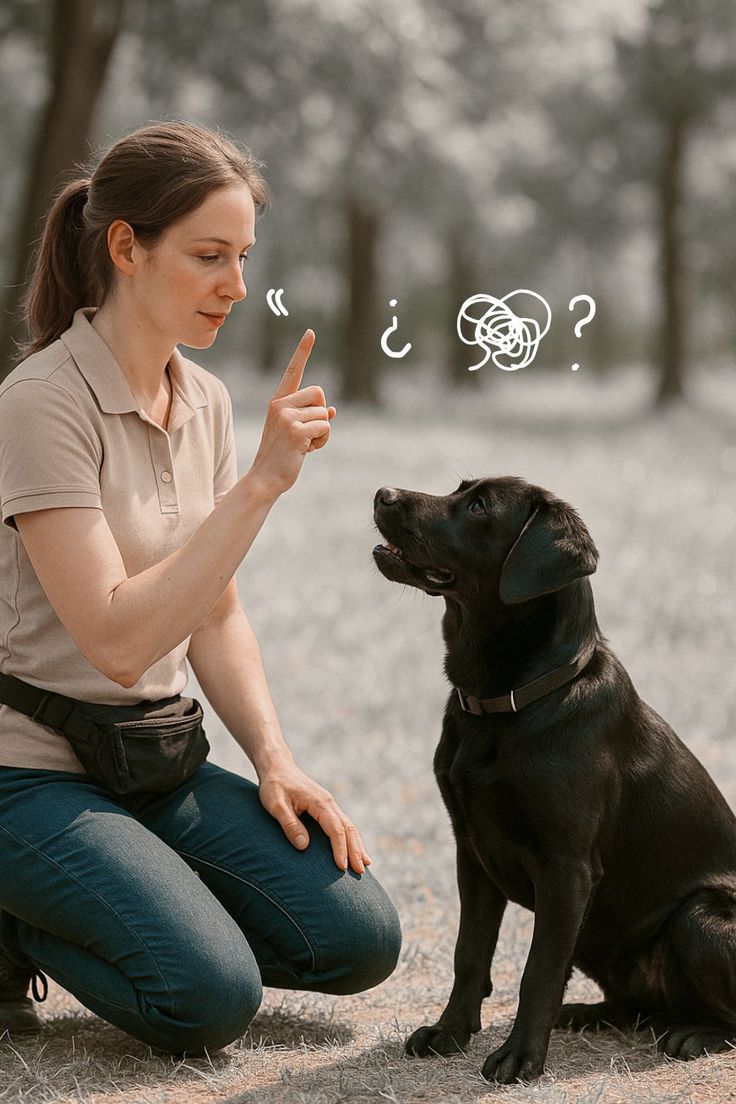
Canine Social Behaviour: Understanding Dogs Better Today
Dogs have been loyal companions to humans for thousands of years. Their ability to connect with people and other animals is one of the reasons they are among America’s most beloved pets. However, many pet owners struggle to understand why dogs behave the way they do in different social situations. Learning about canine social patterns can help owners build stronger relationships with their furry friends while preventing common behavioural problems.
Whether you’re a first-time dog owner or a long time pet parent, understanding how dogs interact with people and other animals is essential. From playtime at the dog park to daily walks around the neighbourhood, social interactions influence a dog’s confidence, happiness, and overall well-being. Trusted pet care providers such as Pet Soul Care emphasize the importance of understanding social behaviour to create healthier and happier lives for dogs.
Why Social Behaviour Matters in Dogs
Dogs are naturally social animals. Their ancestors lived in groups where cooperation, communication, and social bonding were essential for survival. While modern dogs live in homes instead of wild environments, many of these instincts remain deeply rooted.
Healthy social behaviour helps dogs:
- Build confidence in new situations
- Reduce fear and anxiety
- Develop positive relationships with humans
- Improve interactions with other animals
- Prevent unwanted behavioural issues
When dogs lack proper social experiences, they may become fearful, reactive, or overly aggressive in unfamiliar environments.
The Foundation of Dog Communication
Communication is the key to every social interaction. Unlike humans who rely heavily on spoken language, dogs communicate through a combination of body movements, facial expressions, vocalizations, and scent signals.
Understanding common Dog communication signals can help owners recognize what their dogs are feeling before situations escalate.
Some common communication signals include:
- Tail position and movement
- Ear placement
- Eye contact
- Facial expressions
- Body posture
- Barking and vocal sounds
Recognizing these signs allows owners to respond appropriately and support their dogs in social situations.
Understanding Canine Body Language
One of the most important aspects of dog behaviour is reading canine body language. Every movement provides clues about a dog’s emotional state.
Signs of a relaxed dog:
- Loose body posture
- Soft eyes
- Gently wagging tail
- Relaxed ears
- Playful movements
Signs of stress or discomfort:
- Lip licking
- Yawning when not tired
- Tail tucked between legs
- Avoiding eye contact
- Excessive panting
Learning to identify these signals helps owners intervene before stress turns into fear or aggression.
How Dogs Interact with Other Dogs
Dogs communicate constantly when meeting one another. These interactions involve a series of signals designed to establish comfort levels and social boundaries.
Typical greeting behaviours include:
- Sniffing
- Curved approaches
- Play bows
- Brief body inspections
Healthy interactions often appear calm and balanced. Dogs that feel comfortable may invite play, while uncertain dogs may create distance.
Many behavioural experts stress the importance of supervising early introductions to ensure positive experiences.
The Role of Dog Pack Behaviour
Although domestic dogs are different from wolves, elements of dog pack behaviour still influence how they interact socially.
Dogs often:
- Seek social structure
- Follow established routines
- Form close bonds with family members
- Learn from observing other dogs
Pack-related instincts help dogs understand relationships and navigate social environments. However, modern dog behaviour is more flexible than traditional pack theories once suggested.
Successful owners focus on leadership through trust, consistency, and positive reinforcement rather than dominance.
The Importance of Early Socialization
Socialization plays a major role in shaping adult behaviour. Puppies exposed to a variety of positive experiences are generally more confident and adaptable later in life.
Important socialization experiences include:
- Meeting different people
- Encountering various environments
- Exposure to sounds and objects
- Positive interactions with other animals
Developing strong dog socialization skills early can reduce fear-based behaviours and create a more balanced adult dog.
Experts recommend beginning socialization during puppyhood while continuing positive exposure throughout adulthood.
Common Social Challenges Dogs Face
Not every dog feels comfortable in every situation. Some dogs struggle with social challenges due to genetics, limited exposure, past experiences, or health conditions.
Common issues include:
- Fear of strangers
- Resource guarding
- Leash reactivity
- Separation anxiety
- Territorial behaviour
Identifying the root cause of social difficulties is the first step toward improving behaviour.
Professional trainers and behaviour specialists can often provide customized solutions for challenging cases.
Building Better Dog-to-Human Relationships
Strong social behaviour extends beyond interactions with other dogs. Human relationships are equally important.
Owners can strengthen bonds through:
- Daily exercise
- Consistent training
- Positive reinforcement
- Mental stimulation
- Quality one-on-one time
Trust develops when dogs feel safe, understood, and respected.
The strongest relationships are built through patience, consistency, and communication.
Canine Social Behaviour in Everyday Life
As dogs mature, their social preferences may change. Some dogs remain highly social throughout life, while others become more selective with age.
At this stage, understanding Canine social behaviour becomes especially important because owners can better recognize individual personalities and social needs. Rather than forcing interactions, responsible pet parents learn to respect their dog’s comfort levels while encouraging positive experiences.
This balanced approach leads to happier outings, safer introductions, and healthier long-term behaviour.
Understanding Dog Interactions in Different Environments
Every environment presents unique social challenges.
At dog parks:
- Monitor play styles
- Watch for stress signals
- Allow breaks when needed
During walks:
- Maintain controlled introductions
- Respect personal space
- Reward calm behaviour
At home:
- Establish routines
- Provide safe spaces
- Encourage positive interactions
Developing expertise in understanding dog interactions helps owners confidently manage a variety of situations.
When Professional Help Is Needed
Some behavioural concerns require professional guidance. If a dog regularly displays fear, aggression, or extreme anxiety, consulting an experienced trainer or behaviour specialist may be beneficial.
Early intervention often produces better results and prevents problems from becoming more severe over time.
Many pet owners find that professional support provides valuable insight into communication patterns and training strategies.
Conclusion
Understanding canine behaviour is one of the most rewarding parts of dog ownership. By learning about dog communication signals, canine body language, dog pack behaviour, dog socialization skills, and understanding dog interactions, owners can build stronger, healthier relationships with their pets.
Every dog is unique, but all dogs benefit from patience, positive experiences, and informed care. With the right knowledge and support from trusted resources like Pet Soul Care, pet owners can confidently guide their dogs through life’s social experiences and create lasting bonds built on trust and understanding.