
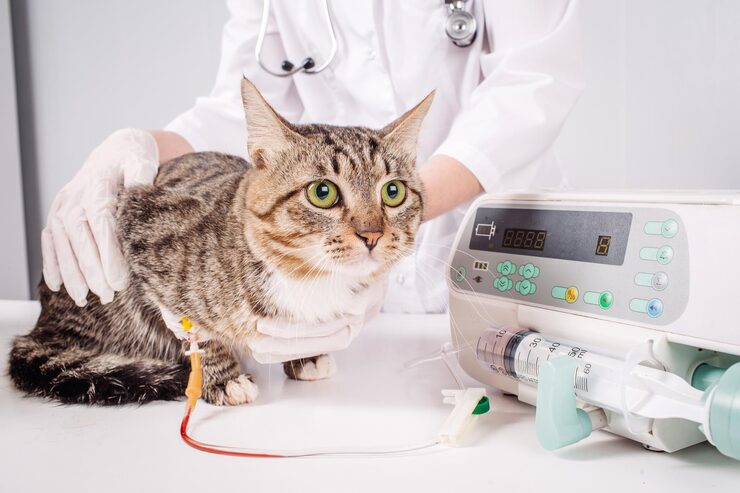
Your cat depends on you for every stage of life, from playful kitten days to the senior years. Good health does not happen by chance. It comes from regular care, early attention to small changes, and the right medical support. A cat hospital plays an important role in helping your pet stay healthy, active, and comfortable through every age. Many health problems begin with mild signs that are easy to miss, so routine veterinary visits can make a real difference.
Cats often hide pain and illness. This natural behavior can delay treatment if warning signs go unnoticed. A simple wellness exam can uncover issues before they become serious. Regular checkups also help track your cat’s weight, dental health, nutrition, and overall condition. These visits give you the information needed to make better choices for your pet’s long-term care.
Why Lifelong Care Matters for Every Cat
Every stage of your cat’s life brings different health needs. A kitten needs vaccines, parasite prevention, and healthy growth checks. An adult cat benefits from routine wellness exams that help maintain good health. Senior cats need closer monitoring because the risk of chronic illness increases with age.
Small changes often tell an important story. A lower appetite, extra sleeping, or a change in grooming habits may point to an underlying problem. Early care gives your veterinarian the best chance to manage these conditions before they affect your cat’s quality of life.
Many owners wait until their cat appears sick before seeking help. By then, the illness may have progressed. Preventive care reduces this risk and supports a longer, healthier life.
What You Can Expect During a Wellness Visit
A routine visit focuses on your cat’s overall health, not just a single concern. Your veterinarian looks for changes that may not be obvious at home.
During a wellness appointment, the examination may include:
- A complete physical exam
- Weight and body condition assessment
- Dental and oral health check
- Heart and lung evaluation
- Skin and coat assessment
- Joint and mobility check
- Parasite prevention review
- Nutrition and feeding advice
- Lifestyle and behavior discussion
Each visit builds a health history for your cat. This makes it easier to notice small changes over time and recommend the right care when needed.
How a Cat Clinic Supports Preventive Care
A trusted cat clinic focuses on preventing illness before it becomes a serious problem. Preventive care is one of the most valuable investments you can make for your pet. It protects your cat while reducing the need for more complex treatments later.
Vaccinations help defend against common infectious diseases. Parasite control protects your cat from fleas, ticks, and intestinal worms. Routine screenings can also identify hidden health concerns that may not show clear symptoms.
Preventive care also includes conversations about nutrition, exercise, weight control, and daily habits. These simple discussions often lead to healthier choices at home.
The Value of Early Disease Detection
Many diseases develop slowly. Kidney disease, diabetes, thyroid disorders, and dental disease often begin with subtle signs. Your cat may continue eating, playing, and acting normally while the condition progresses.
Routine examinations allow your veterinarian to compare current findings with previous visits. Blood work, urine testing, and diagnostic imaging may be recommended when needed. These tests provide valuable information before visible symptoms appear.
Early diagnosis often means more treatment options, better comfort, and improved long-term outcomes. It may also reduce treatment costs by avoiding advanced disease.
The Role of Nutrition in Lifelong Health
Food does much more than satisfy hunger. A balanced diet supports healthy muscles, strong bones, proper digestion, and a healthy immune system.
Your cat’s nutritional needs change throughout life. Kittens need food that supports growth and development. Adult cats need balanced nutrition that maintains a healthy weight. Senior cats often benefit from diets that support joint health, kidney function, and digestion.
Your veterinarian can recommend feeding plans based on your cat’s age, activity level, medical history, and body condition. Even small adjustments to diet can improve overall wellness.
Why Dental Health Should Never Be Ignored
Dental disease is one of the most common health problems in cats. It often develops slowly without obvious signs.
Bad breath, red gums, drooling, difficulty eating, or dropping food can all point to oral disease. Left untreated, dental infections can cause pain and affect other parts of the body.
Routine dental examinations help identify problems early. Professional dental care removes plaque and tartar while protecting your cat from future complications. Healthy teeth also make eating easier and improve daily comfort.
Choosing a Cat Vet Clinic That Puts Your Pet First
Finding the right cat vet clinic is about more than location. You want a team that listens, answers your questions, and creates a calm experience for both you and your cat.
Look for a clinic that values preventive care, clear communication, and thorough examinations. Modern diagnostic tools, experienced veterinary professionals, and personalized care plans also help support better health throughout your cat’s life.
Regular visits build trust between your cat and the veterinary team. Over time, this relationship helps create more accurate medical records and better care decisions as your pet grows older.
Supporting Senior Cats Through Their Golden Years
As cats grow older, their healthcare needs change. Many senior cats develop age-related conditions that need regular monitoring. Early care helps your cat stay active, comfortable, and independent for longer.
Your veterinarian may recommend more frequent wellness visits for senior cats. These appointments often include blood tests, urine testing, weight checks, and blood pressure monitoring. Regular screening helps detect problems before they become difficult to manage.
Older cats also benefit from changes at home. Soft bedding, easy access to food and water, and litter boxes with lower sides can improve comfort. Small adjustments often make a big difference in daily life.
Signs Your Cat Should See a Veterinarian
Cats rarely show illness until they feel quite unwell. Paying attention to small changes can help you seek care before a condition worsens.
Contact your veterinarian if you notice:
- Loss of appetite or weight
- Drinking more or less water than usual
- Vomiting or diarrhea that continues
- Trouble using the litter box
- Bad breath or difficulty eating
- Low energy or unusual hiding
- Changes in breathing
- Limping or trouble jumping
- Skin problems or hair loss
Prompt medical attention helps protect your cat from unnecessary pain and supports a faster recovery.
Building Healthy Habits at Home
Veterinary care works best when it is combined with healthy routines at home. Daily care helps your cat stay in good condition between appointments.
Feed a balanced diet that matches your cat’s age and health needs. Keep fresh water available at all times. Encourage play to maintain a healthy weight and support mental stimulation.
Brush your cat when needed and check the ears, eyes, teeth, and nails regularly. Watch for any changes in behavior, eating habits, or activity level. If something seems unusual, do not wait for it to become worse.
Routine care at home and regular visits to a cat clinic work together to support lifelong health.
Give Your Cat the Care They Deserve
Every cat deserves consistent healthcare throughout life. Regular checkups, preventive care, good nutrition, and early treatment all work together to support better health and comfort. These simple steps can help your pet enjoy more active years with fewer health problems.
If you are looking for compassionate veterinary care, Silverado Veterinary Hospital is committed to supporting your pet through every stage of life. From wellness exams and diagnostics to preventive services and senior care, the team focuses on helping your cat stay healthy for years to come. A trusted cat hospital gives your pet the attention they need before small concerns become larger problems.
Visit Us to learn more about our feline healthcare services and schedule your cat’s next wellness visit.
Frequently Asked Questions
1. How often should I take my cat to a veterinarian?
Healthy adult cats should have a wellness exam at least once a year. Kittens, senior cats, and cats with medical conditions may need more frequent visits based on your veterinarian’s advice.
2. What services does a cat hospital provide?
A cat hospital offers wellness exams, vaccinations, parasite prevention, dental care, diagnostic testing, surgery, nutrition advice, senior pet care, and treatment for illnesses and injuries.
3. What is the difference between a cat clinic and a cat vet clinic?
The terms are often used interchangeably. A cat clinic or cat vet clinic provides routine preventive care, medical treatment, health screenings, and ongoing support for your cat’s health.
4. Why are regular wellness exams important for indoor cats?
Indoor cats can still develop dental disease, kidney disease, diabetes, arthritis, and other health conditions. Routine exams help detect these problems early, even when there are no obvious symptoms.
5. What signs mean my cat needs immediate veterinary care?
Seek veterinary care if your cat has trouble breathing, cannot urinate, has repeated vomiting or diarrhea, stops eating for more than a day, becomes extremely weak, or shows sudden changes in behavior or movement.