
Roofing systems serve as the primary barrier between a building and environmental elements such as rain, wind, and temperature changes. Over time, constant exposure to weather conditions gradually affects roofing materials and structural components. Even small defects can expand into more significant problems if routine maintenance is not carried out.
A roofing structure is made up of several interconnected components that work together to provide reliable protection. These include chimney structures, roofing surfaces, waterproofing layers, and drainage systems. When one section begins to deteriorate, it can affect surrounding materials and reduce overall performance. Regular inspections allow property owners to identify early signs of wear and make timely adjustments.
Understanding the importance of chimney care, installation planning, and roofing material maintenance helps ensure consistent roof performance. Maintaining these components supports structural durability and helps prevent long-term damage caused by environmental exposure.
Supporting Structural Safety Through Chimney Repairs
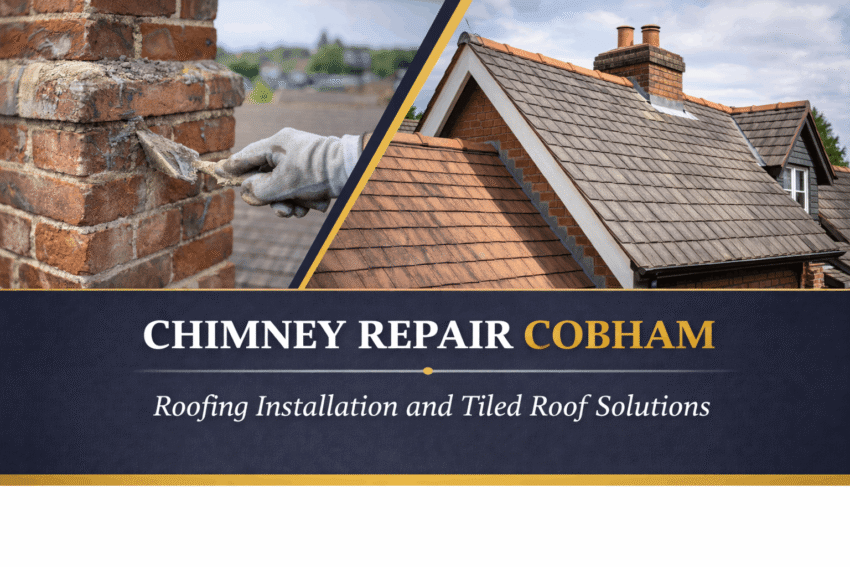
Chimneys are one of the most exposed parts of a roofing structure, making them vulnerable to gradual wear. Property owners who arrange chimney repair cobham services often focus on strengthening masonry and restoring protective barriers around the chimney base.
Common chimney concerns include cracked mortar joints, worn brickwork, and damaged flashing where the chimney meets the roof. These issues can create small gaps that allow water to enter roofing layers, leading to moisture buildup and potential structural weakening. Early identification of such problems helps prevent further damage and reduces the need for extensive repairs.
Repair procedures typically involve resealing mortar joints, replacing worn flashing materials, and reinforcing structural connections. These actions restore stability and help protect nearby roofing materials from water infiltration. Chimney inspections following periods of heavy rainfall or strong winds are particularly beneficial, as severe weather may accelerate deterioration.
Maintaining chimney stability supports ventilation performance and helps ensure surrounding roofing components remain secure.
Planning Reliable Roofing Upgrades Through Installation
Roofing materials gradually lose their effectiveness as they age and experience continuous exposure to environmental conditions. Property owners who plan new roof leatherhead installations often focus on replacing worn surfaces to improve long-term durability.
The installation process begins by removing damaged or outdated materials from the existing structure. Once the roof deck is inspected and prepared, new protective layers are installed to restore waterproofing capabilities. Proper alignment and sealing of roofing materials help maintain consistent coverage across the entire surface.
Material selection plays an important role in installation planning. Factors such as building design, climate patterns, and maintenance preferences influence the type of roofing materials used. Modern roofing systems are developed to improve resistance to moisture and enhance structural performance.
Regular inspection after installation helps ensure that roofing components remain properly positioned and continue to perform as expected under varying weather conditions.
Maintaining Long-Term Durability with Tiled Roofing Systems
Tiled roofing systems are commonly chosen for their durability and ability to withstand environmental exposure. Property owners maintaining tiled roofing putney installations often focus on preserving proper tile alignment and ensuring effective water drainage.
Roof tiles are arranged in overlapping layers that guide rainwater away from the structure. However, strong winds, falling debris, or temperature fluctuations may cause tiles to shift or crack over time. Regular inspection allows property owners to identify damaged tiles early and prevent leaks from forming.
Maintenance activities typically involve replacing broken tiles, securing loose sections, and clearing debris from drainage channels. These steps help maintain consistent water flow and prevent moisture accumulation on the roof surface.
Routine inspection ensures that tiled roofing systems remain effective in protecting the building and supporting structural stability over long periods.
Common Roofing Issues That Require Attention
Roofing systems experience continuous exposure to weather-related stress, which can gradually reduce their effectiveness. Recognizing early warning signs allows property owners to address concerns before they escalate into major repairs.
Some frequently observed roofing issues include:
- Water leaks caused by worn seals or damaged materials
- Loose or missing roofing components
- Cracked flashing near joints and intersections
- Blocked drainage outlets that prevent proper water flow
- Surface wear resulting from seasonal temperature fluctuations
Environmental conditions such as strong winds and heavy rainfall can accelerate these issues. Regular monitoring helps identify minor damage before it develops into more serious structural concerns.
Prompt attention to these warning signs supports consistent roofing performance and reduces the likelihood of unexpected repairs.
Preventive Maintenance Practices for Reliable Performance
Preventive maintenance plays a significant role in preserving roofing systems and ensuring long-term functionality. Establishing regular maintenance routines helps property owners manage wear and maintain structural integrity.
Important maintenance practices include:
- Removing debris from roof surfaces and gutters
- Inspecting drainage outlets to ensure water flows freely
- Checking flashing and seals for visible damage
- Repairing minor cracks before they expand
- Scheduling professional inspections periodically
These preventive measures help preserve waterproofing layers and protect structural components from moisture-related damage. Consistent maintenance also supports improved insulation performance and reduces long-term repair costs.
Maintaining a proactive approach ensures that roofing systems remain capable of handling environmental stress and continue to protect buildings effectively.
Conclusion
Reliable roofing performance depends on maintaining multiple interconnected components, including chimneys, roofing surfaces, and drainage systems. Chimney maintenance, installation planning, and tiled roofing care all contribute to maintaining structural safety and preventing environmental damage.
Regular inspections and timely maintenance help reduce the likelihood of unexpected roofing problems. By addressing small issues early and maintaining consistent care routines, property owners can ensure that roofing systems remain durable, efficient, and capable of providing dependable protection for many years.