
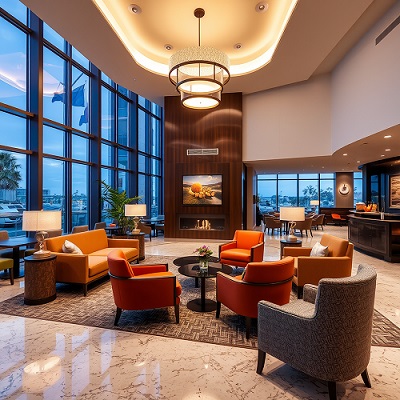
Selecting the right design partner is one of the most important decisions in any hospitality project. Interior design influences guest experience, brand identity, operational efficiency, and long-term profitability. Whether you are developing a luxury resort, a boutique hotel, or a business property, choosing experienced hotel interior designers can determine the success or failure of the project.
Hotel interior designers bring specialized knowledge that goes far beyond aesthetics. They understand how hospitality spaces function, how guests behave, and how design choices impact revenue and brand perception. This guide explores how to choose the right hotel interior designers for your hospitality project and why that decision matters.
Why Hotel Interior Designers Are Critical to Hospitality Success
Hospitality environments are complex. They must balance visual appeal with durability, comfort, safety, and efficiency. Unlike residential or standard commercial design, hotels operate 24/7 and serve a diverse range of users.
Hotel interior designers specialize in creating spaces that support:
-
Exceptional guest experience
-
Clear brand storytelling
-
Smooth staff operations
-
Long-term maintenance and cost efficiency
Without expert hospitality design, even the most beautiful hotel can struggle with usability, guest satisfaction, and operational challenges.
Understanding Your Project Goals Before Hiring Designers
Before selecting hotel interior designers, it is essential to define your project goals clearly. Understanding what you want to achieve will help you identify designers whose expertise aligns with your vision.
Key questions to consider include:
-
What type of hotel are you developing (luxury, boutique, business, resort)?
-
Who is your target guest?
-
What brand identity or story should the design express?
-
What budget and timeline constraints exist?
Clear objectives allow hotel interior designers to deliver solutions that support both creative and commercial goals.
Experience in Hospitality Design Matters
Not all interior designers are suited for hospitality projects. Hotels require specialized knowledge of industry standards, building codes, and operational workflows.
When evaluating hotel interior designers, look for:
-
Proven experience in hotel and hospitality projects
-
A portfolio that demonstrates understanding of guest experience
-
Familiarity with local regulations and accessibility requirements
Experienced hotel interior designers anticipate challenges and design solutions that prevent costly mistakes.
Evaluating a Designer’s Portfolio
A designer’s portfolio reveals their design philosophy, creativity, and technical capability. When reviewing portfolios, focus on more than visual appeal.
Look for evidence of:
-
Consistent quality across different hotel spaces
-
Thoughtful layout and spatial planning
-
Attention to detail and material selection
-
Design solutions tailored to different hospitality concepts
The best hotel interior designers demonstrate versatility while maintaining a strong design identity.
Understanding Their Design Process
A clear and structured design process is essential for a successful hospitality project. Professional hotel interior designers should be able to explain how they approach each phase of a project.
A typical process includes:
-
Concept development and brand alignment
-
Space planning and layout design
-
Material, lighting, and FF&E selection
-
Design development and documentation
-
Site coordination and implementation support
A transparent process ensures alignment, reduces risk, and keeps the project on track.
Collaboration and Communication Skills
Hospitality projects involve multiple stakeholders, including owners, architects, contractors, and operators. Hotel interior designers must be strong collaborators.
Effective communication ensures:
-
Design intent is clearly understood
-
Issues are resolved efficiently
-
Budget and timeline expectations are managed
Choose hotel interior designers who listen carefully, communicate clearly, and value collaboration.
Budget Awareness and Cost Control
Interior design must balance creativity with financial responsibility. Experienced hotel interior designers understand how to work within budget constraints without compromising quality.
They help clients:
-
Allocate budgets strategically across spaces
-
Select materials and finishes that offer long-term value
-
Avoid costly redesigns or maintenance issues
Designers who understand hospitality economics protect your investment.
Understanding Operations and Guest Flow
Great hotel design supports smooth operations. Hotel interior designers consider how staff and guests move through the space.
Layouts are designed to:
-
Enhance guest comfort and wayfinding
-
Support housekeeping and service efficiency
-
Minimize disruption during daily operations
Operational insight is a key factor in choosing the right design partner.
Brand Alignment and Storytelling Ability
A hotel’s interior is a physical expression of its brand. Hotel interior designers must be able to translate abstract brand values into tangible design elements.
Look for designers who:
-
Understand your brand positioning
-
Can articulate the story behind their design concepts
-
Create cohesive experiences across all hotel areas
Strong storytelling builds emotional connections with guests and strengthens brand value.
Sustainability and Future-Ready Design
Sustainability is increasingly important in hospitality. Hotel interior designers should be knowledgeable about eco-friendly materials, energy-efficient systems, and sustainable practices.
Future-ready design considers:
-
Durability and lifecycle costs
-
Flexibility for changing guest needs
-
Environmental responsibility
Designers who think long term add lasting value to your project.
Technology Integration Expertise
Modern hotels rely on technology to enhance guest experience. Hotel interior designers must understand how to integrate technology seamlessly into design.
This includes:
-
Smart room controls
-
Charging solutions and connectivity
-
Digital signage and audiovisual systems
Technology should enhance functionality without disrupting aesthetics.
Project Management and Implementation Support
Design excellence must be executed accurately on site. Many hotel interior designers offer project coordination or implementation support.
This may include:
-
Reviewing shop drawings
-
Coordinating with contractors
-
Conducting site visits and inspections
Strong implementation support ensures the final result matches the original design vision.
Checking References and Past Client Feedback
Client feedback provides valuable insight into a designer’s reliability and professionalism. Ask for references from previous hospitality projects.
When speaking with past clients, inquire about:
-
Communication and responsiveness
-
Budget and timeline management
-
Problem-solving abilities
Reputable hotel interior designers will have a strong track record of satisfied clients.
Building a Long-Term Partnership
Choosing hotel interior designers is not just about one project—it is about building a relationship. Many hospitality businesses work with the same designers across multiple properties.
A long-term partnership ensures design consistency, efficiency, and deeper brand understanding over time.
Common Mistakes to Avoid When Choosing Designers
Some common mistakes include:
-
Choosing based solely on visual style
-
Ignoring hospitality experience
-
Underestimating the importance of operations
-
Failing to define project goals clearly
Avoiding these pitfalls helps ensure a smoother project and better outcomes.
The Value of the Right Design Partner
The right hotel interior designers bring creativity, strategy, and discipline to your hospitality project. Their expertise directly influences guest experience, brand perception, and financial performance.
Well-designed hotels attract guests, encourage repeat visits, and generate positive reviews.
Conclusion: Making the Right Choice for Your Hospitality Project
Choosing the right hotel interior designers is a critical investment in the success of your hospitality project. By selecting experienced professionals who understand design, operations, and brand strategy, you create a strong foundation for long-term success.
Thoughtful interior design transforms hotels into experiences. With the right hotel interior designers as your partners, your hospitality project can achieve lasting impact, guest satisfaction, and commercial value.