
The decision to undergo plastic surgery is an empowering choice that bridges the gap between your inner confidence and your external appearance. Whether you are navigating a delicate facial rejuvenation, an intricate breast reconstruction, or a comprehensive body contouring procedure, weeks or months of diligent research, emotional balancing, and financial planning lead up to the date of your operation. You choose an elite, board-certified surgeon and wait with anticipation for the day of your transformation.
However, the operating room is only where the blueprint of your new look is created. The final aesthetic success of your procedure is determined by what happens next. The moment your surgeon lays down the scalpel, your body enters a highly complex, resource-intensive phase of tissue repair.
To maximize the longevity of your results and minimize downtime, implementing a structured system of plastic surgery healing support is essential. Understanding the scientific phases of tissue recovery, optimizing your post-op environment, and integrating expert clinical care can transform a period often characterized by physical vulnerability into a smooth, comfortable, and successful healing journey.
Understanding the Biological Timeline of Tissue Repair
True healing support requires an understanding of how the body responds to surgical trauma. Tissue healing is not a single event; it is a highly coordinated, overlapping cascade divided into three primary phases.
1. The Inflammatory Phase (Days 1 to 6)
Immediately following surgery, your body sends a rush of white blood cells, growth factors, and fluids to the altered areas. This phase is characterized by acute swelling, bruising, localized heat, and discomfort. While inflammation is a mandatory part of triggering cellular repair, excessive or prolonged inflammation can compromise blood flow to healing skin flaps and exacerbate scar formation.
2. The Proliferative Phase (Days 4 to 24)
During this window, your body begins rebuilding the broken structural matrix. Fibroblast cells produce fresh collagen to bridge wound edges, while new microscopic blood vessels (neovascularization) form to supply oxygen to the recovering tissues. Gentle support during this stage is vital to ensure these delicate new cellular networks are not disrupted by premature movement or tension.
3. The Maturation and Remodeling Phase (Day 21 to 1 Year+)
The final phase involves the long-term strengthening of the new tissue. The initial, disorganized collagen structures are gradually replaced by stronger, more aligned collagen fibers. This is the period where scars flatten, soften, and fade. Healing support during this phase focuses heavily on advanced scar therapy and deep tissue mobility.
Core Pillars of Effective Post-Operative Healing Support
To guide your body smoothly through these biological milestones, your recovery strategy should encompass several core pillars of health, combining nutritional science, mechanical care, and expert clinical oversight.
Specialized Nutritional Therapy
Surgical recovery requires a vast amount of metabolic energy. Your cellular repair mechanisms demand specific raw materials to synthesize collagen and knit tissues back together effectively:
-
High-Quality Proteins: Amino acids are the literal building blocks of tissue. Increasing your intake of lean proteins, collagen peptides, and bone broths supplies your body with the proline and glycine necessary for scar synthesis.
-
Targeted Micronutrients: Vitamin C is a critical cofactor in collagen production, while Zinc assists with cellular division and immune defense.
-
The Low-Sodium Rule: Excess dietary sodium triggers immediate water retention, which directly worsens post-operative swelling and extends your discomfort. Focusing on clean, whole foods during the first two weeks is paramount.
Mechanical and Compression Support
Properly managed compression is a cornerstone of body contouring recovery. Specialized compression garments or abdominal binders act as an external matrix:
-
Fluid Prevention: Garments apply constant, gentle pressure to eliminate dead space under the skin, preventing fluids from accumulating into pocketed seromas or hematomas.
-
Contour Preservation: They hold newly altered tissues in their optimal position, ensuring skin contracts smoothly over your new structural contours without wrinkling or buckling.
Tailoring Recovery Support to Your Specific Procedure
Every plastic and reconstructive surgery carries a unique structural footprint. A generalized approach to healing support is insufficient when dealing with the intricacies of modern aesthetic medicine.
Core and Abdominal Procedures (Tummy Tucks, Mommy Makeovers)
Surgeries that involve plication (tightening) of the abdominal wall place immense tension on the central core. Healing support here centers on maintaining a flexed “beach chair” position to keep tension off the incision line, alongside aggressive respiratory support using an incentive spirometer to maintain optimal lung capacity while wearing tight abdominal binders.
Facial and Neck Rejuvenation (Facelifts, Neck Lifts, Rhinoplasty)
Facial structures are incredibly vascular and prone to rapid lymphatic pooling. Post-operative support requires strict 45-degree head elevation at all times to accelerate fluid drainage. Meticulous, sterile care along the hairline and ear suture lines is mandatory to guarantee that the resulting scars remain flat, thin, and virtually imperceptible.
High-Volume Liposuction and Body Contouring
Liposuction causes massive subterranean tissue trauma and dramatic shifts in bodily fluids. Support in the early days involves managing orthostatic hypotension (dizziness when standing) through slow, assisted transitions, alongside the careful introduction of professional manual lymphatic drainage (MLD) down the line to break up hard channels of post-op swelling.
The Indispensable Value of Professional Nursing Support
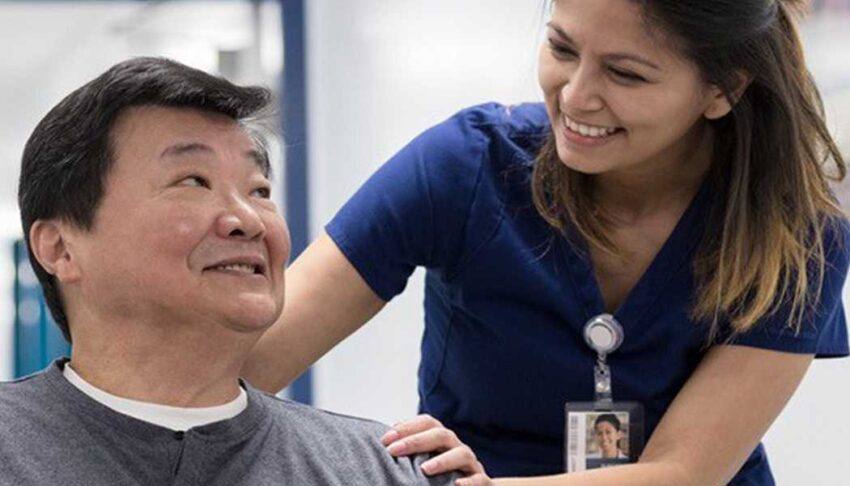
While nutrition and compression garments provide a baseline for recovery, the most definitive layer of plastic surgery healing support you can secure is the presence of a specialized private duty nurse.
The immediate 72 hours after surgery are a blur of physical exhaustion, complex medication schedules, and clinical tracking. Expecting a well-meaning but untrained family member to manage surgical drains, administer powerful narcotics on a precise schedule, and evaluate skin flap circulation can introduce immense stress to your recovery environment.
A specialized aesthetic nurse understands your surgeon’s exact clinical goals. They manage your pain proactively to prevent blood pressure spikes, monitor surgical drains to ensure negative pressure is maintained, and execute sterile dressing changes with absolute precision. If a complication begins to develop, a professional nurse identifies the subtle early indicators instantly and coordinates with your surgical team using professional medical terminology, resolving issues long before they escalate into emergencies.
A Window Into Clinical Home Recovery Care
To visualize how professional nursing care transforms your home environment into an advanced healing sanctuary, consider the structural breakdown of a standard post-operative care shift:
Discretion, Luxury, and Peace of Mind
Elective and reconstructive surgery is an deeply personal event, and many individuals place a high premium on confidentiality. Recovering in a standard medical facility or an institutional rehabilitation wing can compromise your privacy, exposing you to unvetted staff and public common areas during a period when you are physically vulnerable and swollen.
Hiring a private duty nurse allows you to turn your personal residence or a luxury hotel suite into a fully private, high-end medical sanctuary. Your nurse acts as a quiet, professional shield, managing interactions with property security, coordinating with private drivers, and taking the logistical burden off your shoulders.
When seeking the ideal professional to oversee this critical window, it is essential to partner with a service that understands the exact intersection of premium luxury and rigid medical discipline. For patients seeking elite, customized in-home care, Plastic Surgery Nurse provides dedicated, specialized post-operative recovery experts who understand how to safeguard your safety, maximize your physical comfort, and protect your aesthetic investment.
Staging Your Home for an Optimal Recovery
To give your healing support team the best environment to care for you, your recovery zone should be completely organized and staged prior to your surgery date. Taking these proactive steps ensures a seamless transition from the outpatient center to your bed:
-
Select Dark Bedding: Always dress your recovery bed or lounge recliner with dark-colored linens and pillowcases. Minor fluid weeping and drainage are a completely normal part of early healing, and dark fabrics prevent unnecessary alarm over stained bedding.
-
Establish a Clinical Hub: Clear a sturdy bedside table or vanity to serve as your nurse’s medical station. This area will be used to organize your medication charts, prescription bottles, measurement logs, and sterile dressing kits.
-
Prepare Respiratory Tools: Have your incentive spirometer resting at your bedside. Using this device regularly under your nurse’s supervision helps re-expand your lungs fully after anesthesia, preventing post-operative fevers and respiratory congestion.
-
Eliminate Fall Hazards: Clear all wide pathways between your bed and the bathroom of loose rugs, extension cords, or clutter. Post-operative grogginess combined with temporary mobility restrictions makes a completely clear path essential for preventing falls.
Critical Healing Red Flags to Monitor
While a dedicated recovery nurse provides a massive layer of clinical security, both you and your loved ones should remain educated on critical warning signs that demand immediate medical escalation or emergency care:
-
Sudden Air Hunger or Chest Pain: A feeling of breathlessness, sudden coughing, or sharp pain in the chest can indicate a pulmonary embolism, which is a life-threatening medical emergency.
-
Sudden, Asymmetric Swelling: If one side of your face, one leg, or one breast swells drastically faster or feels significantly more tense and painful than the matching side, it points to a localized complication like a blood clot or an active internal bleed (hematoma).
-
A Spiking Fever: A body temperature rising above 101°F, especially when paired with spreading redness, localized heat, or foul-smelling fluid around your incisions, indicates a developing infection.
-
Severe, Continuous Vomiting: An inability to retain necessary fluids or vital oral pain medications due to unmanageable post-anesthesia nausea.
Conclusion: Honoring Your Body’s Transformation
Plastic surgery is an empowering evolution, but the journey does not conclude when your surgeon steps out of the operating room. The weeks that follow dictate how your scars form, how beautifully your contours settle, and how safely your body recovers its vitality.
Prioritizing comprehensive plastic surgery healing support—through targeted nutrition, proper mechanical compression, and the elite clinical oversight of a private duty nurse—eliminates the anxiety, fear, and guesswork from your recovery. By placing your post-operative care into the hands of a dedicated medical professional, you give your body the safety, luxury, and peace of mind it needs to heal safely, beautifully, and flawlessly.