
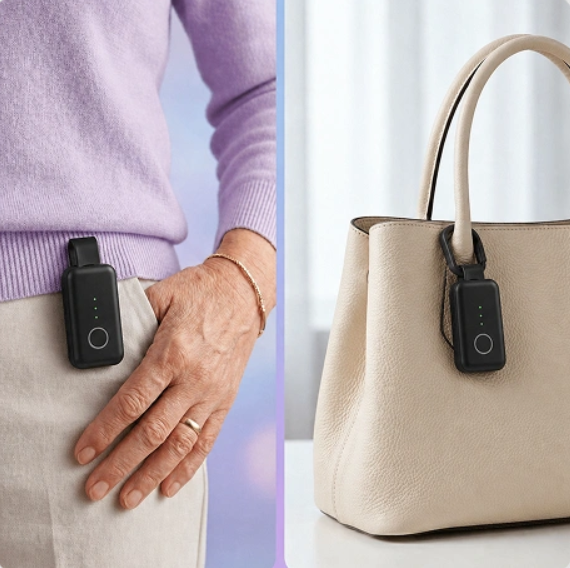
Maintaining independence while ensuring personal safety is a top priority for aging adults and their loved ones across communities nationwide. As individuals grow older, remaining in the comfort of their home is a cherished goal. However, worries about unexpected slips, sudden health emergencies, or delayed assistance often create anxiety for family members living near or far. Fortunately, modern technology offers a reliable bridge between independent living and instant emergency response.
Today, senior safety solutions have evolved far beyond basic stationary hardware. A comprehensive Medical Alert System provides round-the-clock protection, connecting seniors with immediate emergency support whenever necessary while offering family caregivers continuous peace of mind.
Understanding Modern Emergency Protection for Seniors
In the past, safety options were largely limited to landline equipment or periodic family check-ins. Today, smart caregiving solutions integrate mobile technology with lightweight wearables, ensuring help is easily accessible whether at home, in the yard, or out in the community. An advanced Medical Alert Device serves as a constant safety companion, incorporating automatic fall detection, real-time GPS location sharing, and direct two-way audio communication.
Whether a senior experiences an accidental fall at home or feels unwell while running errands in their local neighborhood, pressing a single SOS button connects them immediately to assistance. This rapid communication significantly reduces response times during critical situations, allowing aging adults to navigate their daily routines with confidence and dignity.
Key Features to Consider When Selecting a Safety Device
When evaluating emergency equipment for an aging parent or relative, selecting features tailored to their daily routine ensures effective protection.
- Real-Time GPS Tracking: For active seniors who enjoy local neighborhood walks or traveling, built-in GPS allows family members to view accurate location updates in real time.
- Automatic Fall Detection: Built-in motion sensors identify sudden impacts or orientation changes, triggering an emergency signal even if the user cannot physically press the button.
- Two-Way Voice Communication: Crisp audio through a wearable pendant or wristband permits direct conversation with emergency responders or family contacts.
- Daily Health and Vital Monitoring: Modern systems can monitor essential health indicators such as heart rate, blood pressure, and activity levels to support preventive care.
- Automated Medication Reminders: Custom notifications remind seniors to take their prescriptions on time, helping prevent missed doses and accidental double-dosing.
Combining Emergency Safety with Connected Caregiving
While fast emergency response is essential, comprehensive senior care also relies on proactive daily health management. Integrating safety hardware with mobile applications enables families to coordinate care seamlessly across cities, states, or regions.
Through connected platforms like myseniorcarehub, family members receive instant emergency notifications, review daily check-in statuses, and coordinate care schedules from any smartphone or tablet. This unified approach elevates traditional safety equipment into a collaborative care ecosystem, helping families stay involved in their loved one’s health journey every day.
Frequently Asked Questions
How does a wearable safety device detect an accidental fall?
Wearable safety units use advanced accelerometers and motion sensors to detect sudden velocity changes and impact forces. When a severe impact followed by lack of movement occurs, the system automatically triggers an emergency alert call.
Can seniors use these safety devices outside the home?
Yes. Mobile devices equipped with cellular connectivity and GPS function anywhere with network coverage, delivering continuous protection at home, during errands, or while traveling across town.
Do emergency response devices require complicated setup?
No. Modern systems are designed for straightforward self-installation. Users simply connect the main power supply or charge the wearable unit, follow brief activation steps, and complete a test call.
How do family caregivers receive alerts during an emergency?
Caregivers receive instant push notifications, text messages, or phone calls on their mobile devices as soon as an SOS alert is activated or a fall is detected by the wearable unit.
Are wearable pendants comfortable for daily use?
Yes. Devices are designed to be lightweight, ergonomic, and water-resistant, making them comfortable to wear throughout the day, including in high-risk areas like the shower.
Can multiple family members access location and health updates?
Yes. Connected caregiving applications allow multiple family members or designated home caregivers to log in, view live GPS location details, and track health updates simultaneously.