
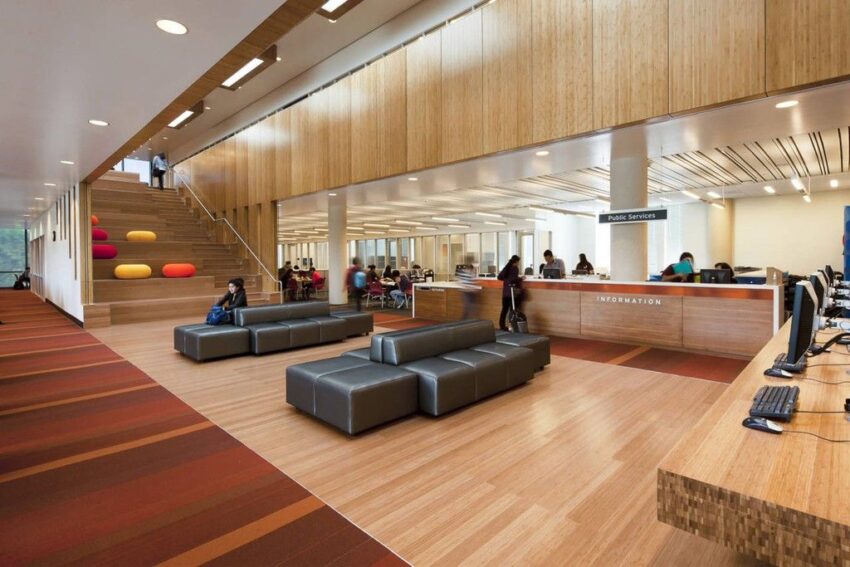
College furniture manufacturers provide specialized furniture solutions for classrooms, lecture halls, libraries, laboratories, administrative offices, cafeterias, hostels, and other educational facilities. The right furniture should combine durability, comfort, functionality, safety, and efficient space utilization to support students, faculty, and administrative staff.
Material selection is an important consideration, and MDF vs Plywood can help institutions understand which material may be more suitable for different furniture applications. Factors such as strength, moisture exposure, durability, finish, maintenance, and budget should be evaluated before selecting materials for college furniture.
Importance of College Furniture
Educational institutions experience high levels of daily furniture usage. Desks, chairs, tables, storage units, and workstations must therefore be designed to withstand frequent movement and regular use.
Professional college furniture can provide:
- Comfortable seating
- Durable construction
- Efficient space utilization
- Easy maintenance
- Organized storage
- Professional appearance
- Flexible configurations
Well-designed furniture can contribute to a more comfortable and productive learning environment.
Classroom Furniture
Classrooms require furniture that supports different teaching and learning activities. Manufacturers can provide individual desks, two-seater desks, chairs, collaborative tables, and flexible classroom furniture.
The furniture dimensions should be appropriate for students while providing sufficient legroom and comfortable writing surfaces.
Lecture Hall Furniture
Lecture halls require seating arrangements that maximize available capacity without compromising accessibility and comfort.
Solutions can include fixed seating, foldable writing tablets, ergonomic backrests, integrated desks, and compact seating configurations.
Proper spacing between rows and aisles is important for comfortable movement and safe access.
Library Furniture
College libraries require furniture designed for reading, studying, research, and storage. Manufacturers can provide:
- Reading tables
- Study desks
- Library chairs
- Bookshelves
- Computer tables
- Storage cabinets
- Reception counters
A combination of individual study areas and collaborative spaces can accommodate different student requirements.
Laboratory Furniture
Laboratories require specialized furniture that can support equipment and practical activities. Depending on the application, manufacturers can provide laboratory benches, workstations, storage cabinets, stools, and equipment tables.
Materials should be selected according to exposure to moisture, chemicals, heat, and frequent cleaning.
Office and Faculty Furniture
Colleges also require professional furniture for faculty rooms, administrative offices, reception areas, meeting rooms, and department offices.
Common solutions include:
- Office desks
- Workstations
- Conference tables
- Filing cabinets
- Storage units
- Reception counters
- Visitor seating
These furniture solutions can be customized according to available space and institutional requirements.
Material Selection
Material selection plays an important role in furniture performance. Depending on the application, manufacturers may use plywood, MDF, laminates, engineered wood, metal, or other suitable materials.
The choice should consider the furniture’s expected load, environment, usage frequency, maintenance requirements, and desired finish.
For high-moisture or heavy-use applications, material performance should be carefully evaluated before production.
Ergonomic Furniture
Students and faculty may spend several hours using college furniture each day, making ergonomics an important consideration.
Ergonomic furniture should provide:
- Suitable seat height
- Adequate back support
- Comfortable desk height
- Sufficient legroom
- Appropriate writing surfaces
- Stable construction
Properly designed furniture can help create a more comfortable environment for extended study and work.
Customized College Furniture
Every institution has different classroom sizes, student capacities, room layouts, and functional requirements. College furniture manufacturers can provide customized dimensions, configurations, colors, finishes, and storage solutions.
Customized furniture can be particularly useful for specialized areas such as laboratories, libraries, auditoriums, computer rooms, and administrative facilities.
Quality and Manufacturing
Consistent quality is essential when producing furniture for large educational projects. Manufacturers should maintain appropriate quality checks throughout production.
Important checks can include:
- Material quality
- Dimensions
- Structural strength
- Edge finishing
- Surface finish
- Hardware
- Stability
- Final assembly
For large orders, consistent manufacturing standards help ensure that furniture units have a uniform appearance and performance.
Choosing College Furniture Manufacturers
Educational institutions should evaluate manufacturers based on:
- Manufacturing experience
- Product quality
- Customization capabilities
- Material options
- Production capacity
- Ergonomic expertise
- Quality-control procedures
- Installation services
- Delivery schedules
- Previous institutional projects
Requesting samples or visiting completed projects can also help institutions assess construction quality before placing a large order.
Conclusion
College furniture manufacturers play an important role in creating comfortable, durable, and functional educational environments. From classrooms and lecture halls to libraries, laboratories, faculty offices, and administrative spaces, properly designed furniture can support the daily activities of students and staff.
Understanding MDF vs Plywood can also help institutions make more informed material decisions based on strength, durability, moisture exposure, finish, maintenance, and budget. By selecting suitable materials and working with an experienced manufacturer, colleges can develop furniture solutions that provide long-term value and reliable performance.