

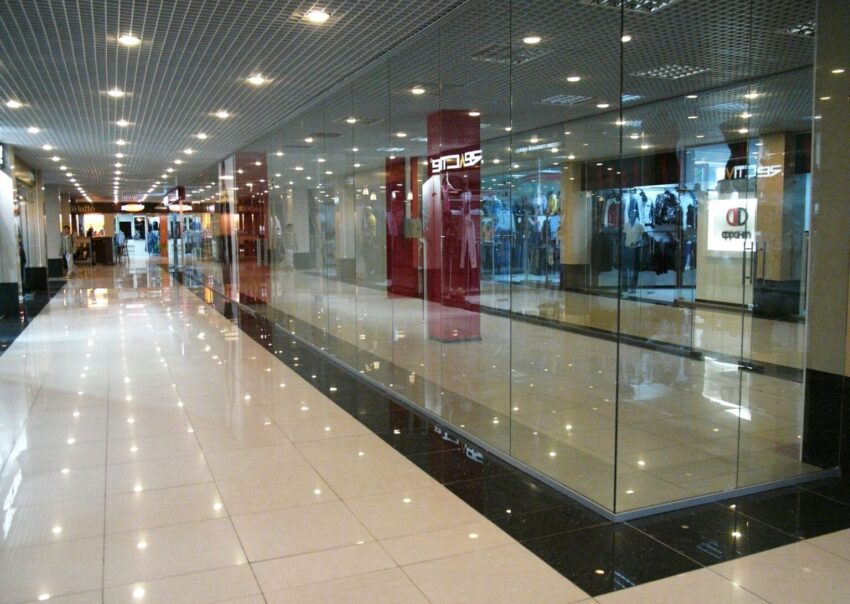
A commercial storefront shapes how customers see a business before they enter. Clean glass panels create an open appearance, bring natural light indoors, and make products easier to view. However, a storefront must do more than look attractive. It should provide safety, withstand daily use, and help protect the building from outdoor conditions.
A carefully planned storefront glass installation can support these goals when the right materials and methods are used. Understanding glass options, replacement needs, and maintenance requirements helps property owners make informed decisions.
Choosing the Right Glass for a Storefront
Every commercial property has different needs. A retail store may require clear glass to display merchandise, while an office may prioritize privacy, glare control, and a professional appearance. The building’s location and level of foot traffic can also influence the choice.
Safety should always be considered. Commercial entrances experience frequent use, so the glass must meet applicable safety standards and building requirements. Frames, hinges, handles, and door closers should also be suitable for the selected system.
Appearance matters, too. Clear glass provides an unobstructed view, while tinted or decorative options can offer privacy or help manage sunlight. The right choice balances visual appeal with practical requirements.
Understanding the Installation Process
Successful installation begins with accurate measurements and an inspection of the opening. The condition of the existing frame should also be checked, especially when replacing older glass. An uneven opening or damaged frame can affect the fit and performance of the finished system.
After confirming the measurements, installers select compatible glass, framing materials, and hardware. They then prepare the opening and position the panels according to the system’s specifications.
Proper alignment helps doors operate smoothly and reduces gaps that may allow air or water to enter. Seals and connections must also be fitted correctly to support weather protection.
Businesses should plan the installation schedule in advance. Coordinating deliveries, work areas, and entrance access can reduce interruptions for employees and customers.
When Does Storefront Door Glass Need Replacement?
Cracks, chips, and shattered panels can create safety and security concerns. These problems should be assessed promptly, particularly when the damaged glass is near an entrance or busy walkway.
However, storefront door glass replacement may be necessary even without obvious breakage. Loose fittings, persistent leaks, and damage around the glass edges can indicate that the door system needs attention.
Before replacing a panel, it is important to identify the cause of the problem. A damaged frame or worn hardware may also need repair. Replacing only the glass may not resolve the issue if other components are affecting the door’s performance.
The replacement panel should match the system’s specifications and applicable safety requirements. Correct sizing and fitting help maintain the entrance’s appearance and ensure reliable operation.
Planning Commercial Storefront Windows
Windows affect a building’s appearance, natural lighting, and indoor comfort. For this reason, commercial storefront window installation should reflect the property’s purpose and layout. Large windows can make retail spaces feel open and help customers view products from outside. Offices may benefit from glazing that allows daylight inside while helping manage glare.
Energy performance is another consideration. Depending on the glass type and building design, suitable glazing may help manage heat transfer. Frames and seals also influence overall performance.
Property owners should consider maintenance before selecting a window system. Glass that is difficult to access or clean may require additional upkeep, particularly in larger commercial buildings.
Preventing Common Installation Problems
Incorrect measurements, uneven frames, unsuitable hardware, and poorly fitted seals can affect a storefront’s durability. Even quality materials may perform poorly when installation details are overlooked.
Handling large glass panels also requires proper equipment and careful planning. A clear work area and appropriate safety measures help reduce the risk of damage or injury.
A reliable storefront glass install involves careful preparation and compliance with the selected system’s requirements. After installation, the panels, seals, locks, and door hardware should be checked for proper fit and operation.
Maintaining Storefront Glass
Regular maintenance helps preserve the appearance and function of commercial glass. Use suitable cleaning products and non-abrasive materials to remove dirt without scratching the surface. Special coatings may require specific cleaning methods.
Frames, seals, hinges, and handles also need routine inspection. Look for worn sealant, loose fittings, leaks, cracks, or changes in door movement. Addressing minor issues early may help prevent more extensive repairs.
Maintenance frequency depends on weather exposure, location, and daily use. Storefronts in busy commercial areas may need more frequent cleaning to remain presentable.
Final Thoughts on Commercial Storefront Glass
Commercial storefront glass combines appearance, visibility, and everyday function. Suitable materials, accurate measurements, and careful installation help create a safe and durable entrance. Regular cleaning and timely repairs support long-term performance.
By considering these factors during selection, installation, and maintenance, property owners can keep their storefronts welcoming, functional, and well-maintained.